Circulating Long Non-Coding RNAs have Diagnostic and Risk Stratification Value with Mechanistic Roles in Heart Failure: a Meta-Analysis
Abstract Body (Do not enter title and authors here): Background: Long non-coding RNAs (lncRNAs) are emerging as a promising RNA class with clinical relevance in heart failure (HF). These RNA transcripts are over 200 nucleotides long and regulate gene expression at multiple levels. While prior studies suggest circulating lncRNAs have clinical and diagnostic potential, comprehensive statistical analyses are lacking. This meta-analysis evaluates the diagnostic, risk stratification, and mechanistic roles of circulating lncRNAs in HF.
Methods: MEDLINE and EMBASE databases were searched up to March 1 2025 for studies assessing circulating lncRNAs in adult patients with HF. Exclusion criteria included non-human, non-HF, pediatric, and non-English studies as well as reviews, editorials, letters, commentaries, and abstracts. Diagnostic accuracy analyses were performed using a bivariate random-effects model in STATA 19. Correlation analysis was performed using a random effects model in R 4.5.0. Pathway enrichment and protein-protein interaction analyses were performed using RNAenrich and Cytoscape 3.10.3. Heterogeneity was evaluated via I2.
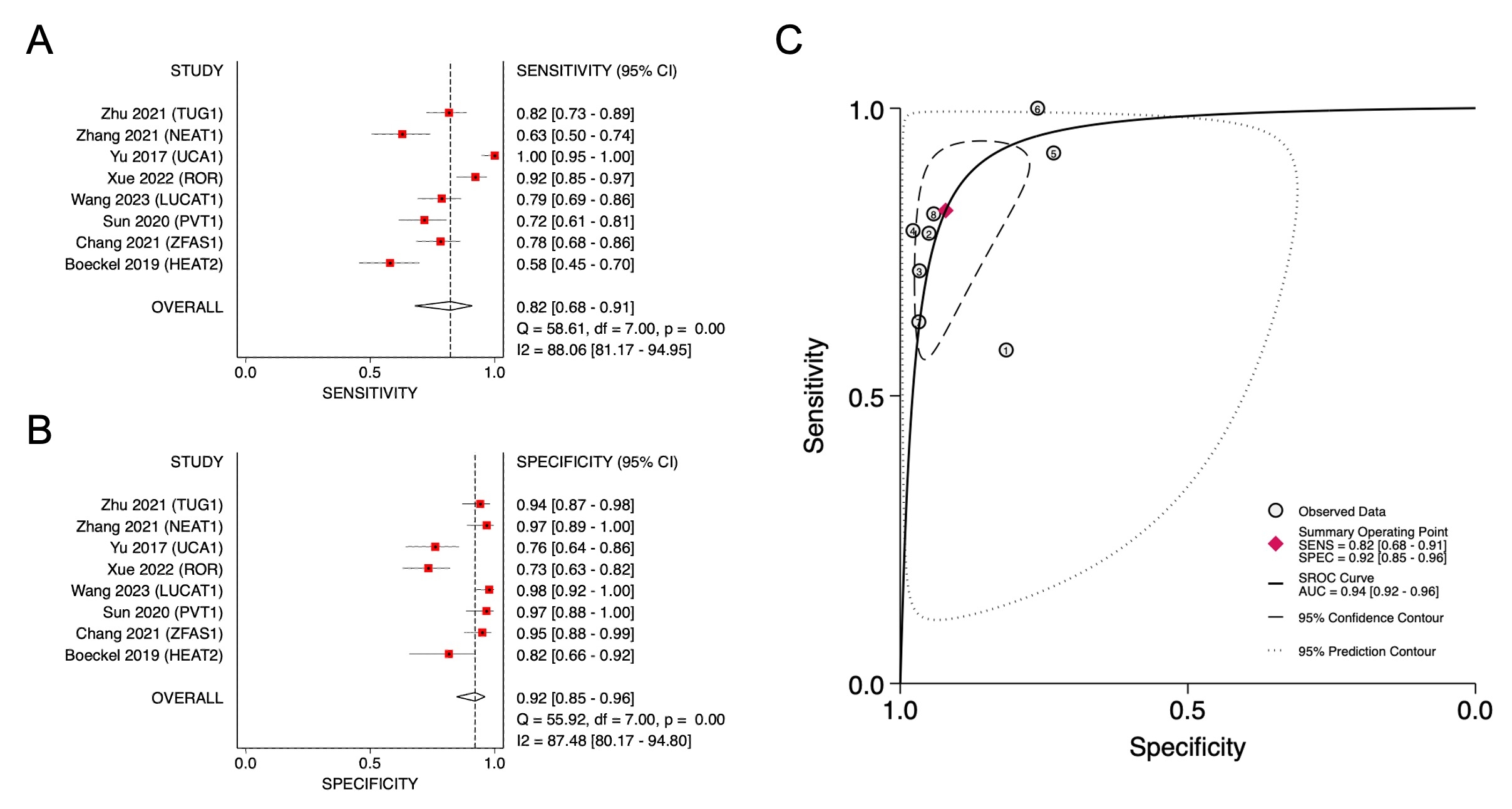
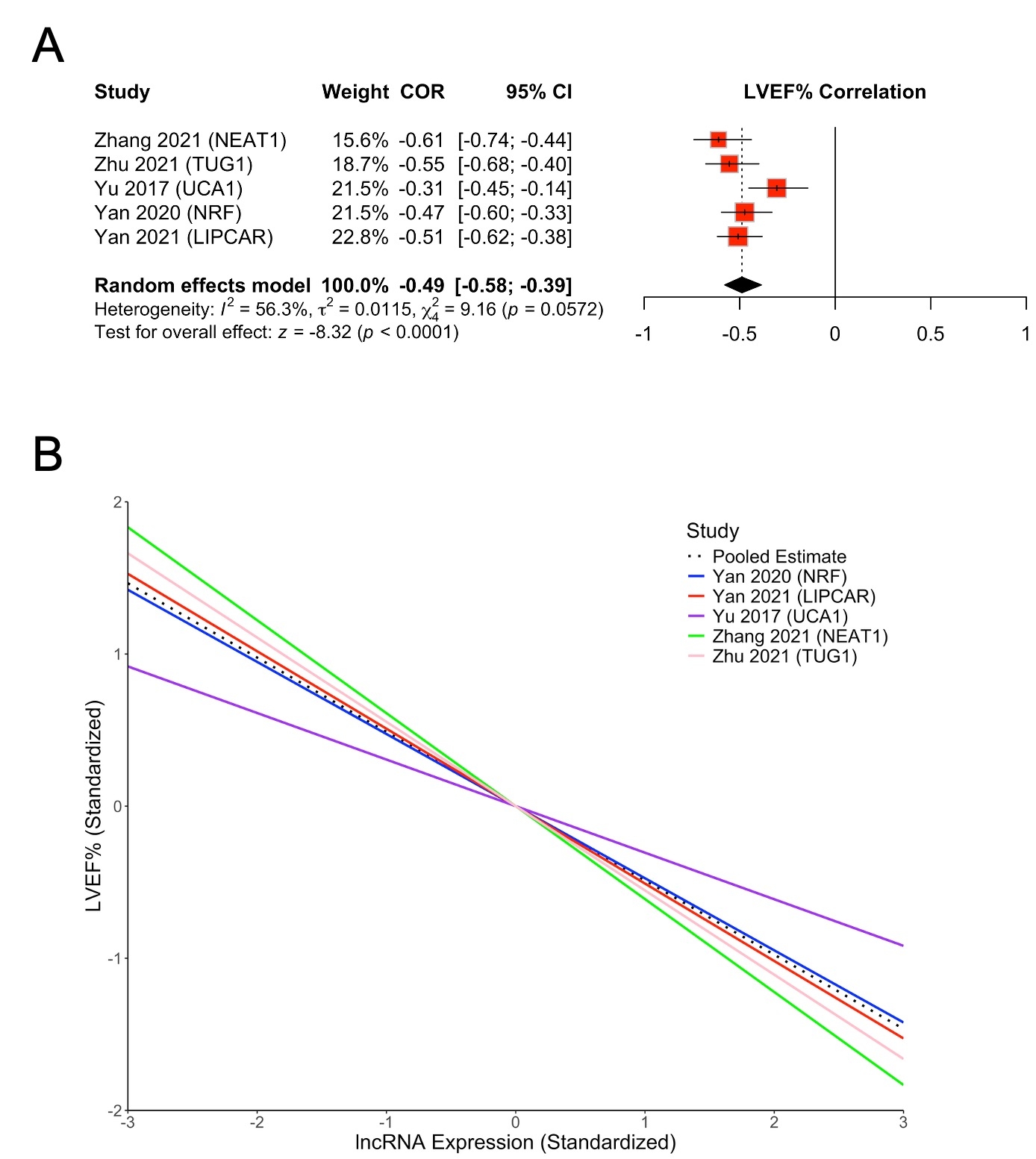
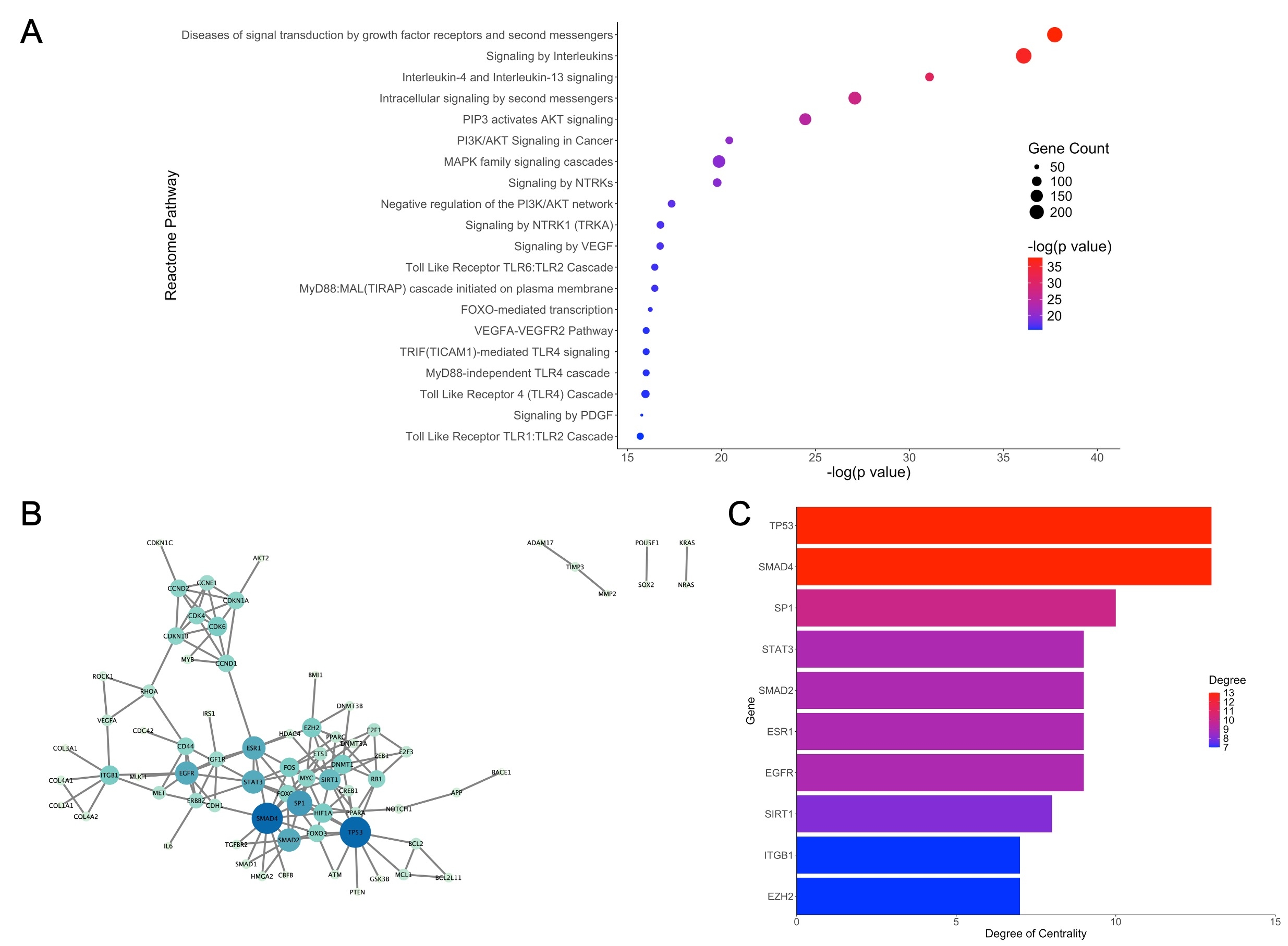
Results: After screening 955 titles, 34 studies involving 49 unique lncRNAs were included. Of these lncRNAs, 29 were significantly upregulated and 9 significantly downregulated (p < 0.05), while 5 showed no difference and 6 had unclear findings in HF. Diagnostic meta-analysis (8 studies, n = 1245) yielded a pooled sensitivity of 0.82 (95% CI: 0.68 – 0.91), specificity of 0.92 (95% CI: 0.85 – 0.96), and diagnostic odds ratio of 54 (95% CI: 26 – 112). Area under the curve of the summary receiver operating characteristic curve was 0.94 (95% CI: 0.92 – 0.96). Correlation analysis (5 studies, n = 593) showed a significant negative correlation between lncRNA levels and LVEF (r = -0.49, 95% CI: -0.58 – -0.39, p < 0.0001). Pathway enrichment analysis highlighted pathways involving growth factor receptors and second messengers, interleukins, and IL-4 and IL-13 in particular as important lncRNA-related pathways in HF. Tumour protein p53 (TP53), Suppressor of Mothers Against Decapentaplegic 4 (SMAD4), and specificity protein 1 (SP1) were identified as hub genes in these pathways.
Conclusion: Circulating lncRNAs can differentiate HF from non-HF patients and correlate with cardiac function, aiding diagnosis and risk stratification. We also demonstrated potential pathophysiological roles of lncRNAs in HF involving growth factor receptors, IL-4, and IL-13.
Nelson, Pierce
(
University of British Columbia
, Vancouver , British Columbia , Canada )
Shokravi, Arveen
(
University of Calgary
, Calgary , Ontario , Canada )
Rabkin, Simon
(
University of British Columbia
, Vancouver , British Columbia , Canada )
Author Disclosures:
Pierce Nelson:DO NOT have relevant financial relationships
| Arveen Shokravi:DO NOT have relevant financial relationships
| Simon Rabkin:DO NOT have relevant financial relationships