Fibrinogen–Bmal1 Signaling as a Novel Therapeutic Target for Preserving Vascular Smooth Muscle Cell Contractility and Limiting Aortic Dissection Progression
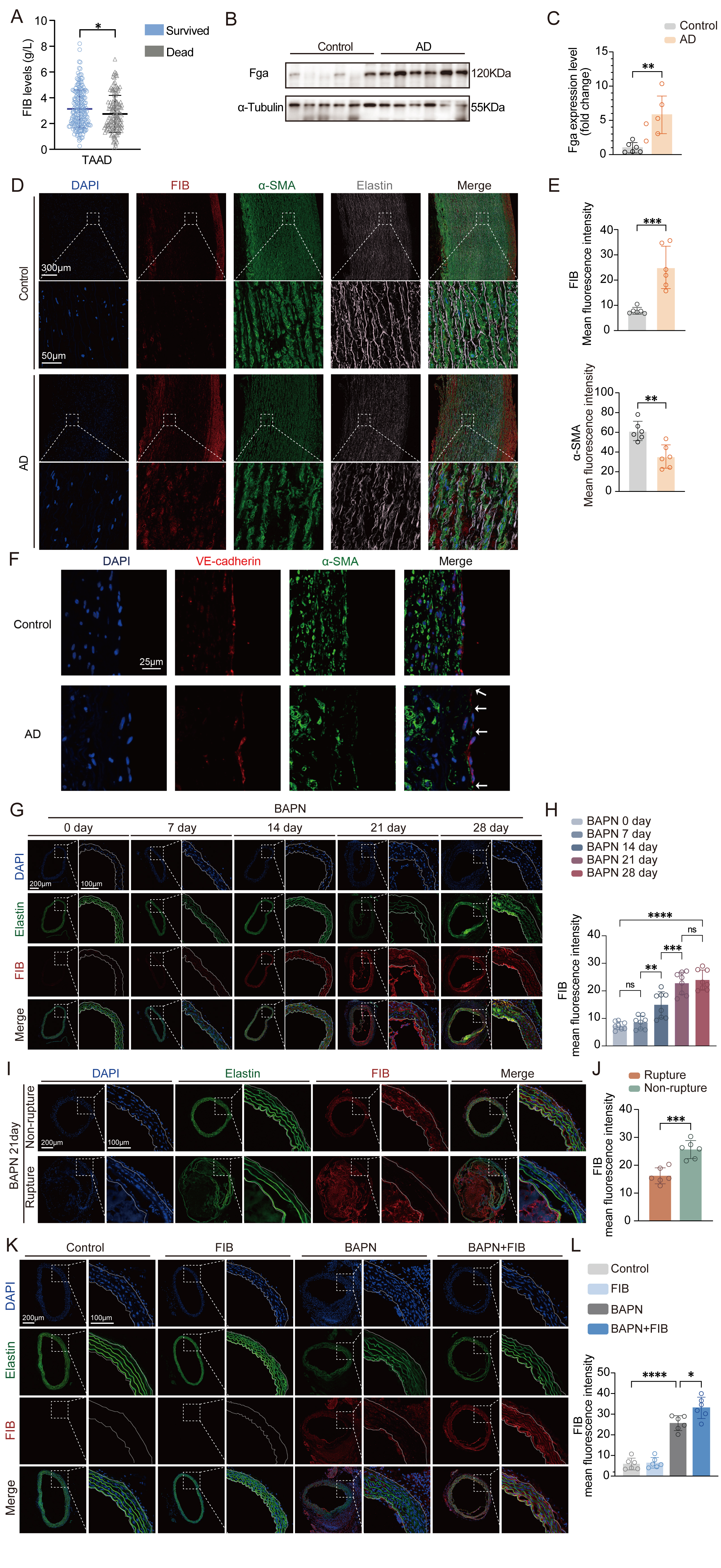
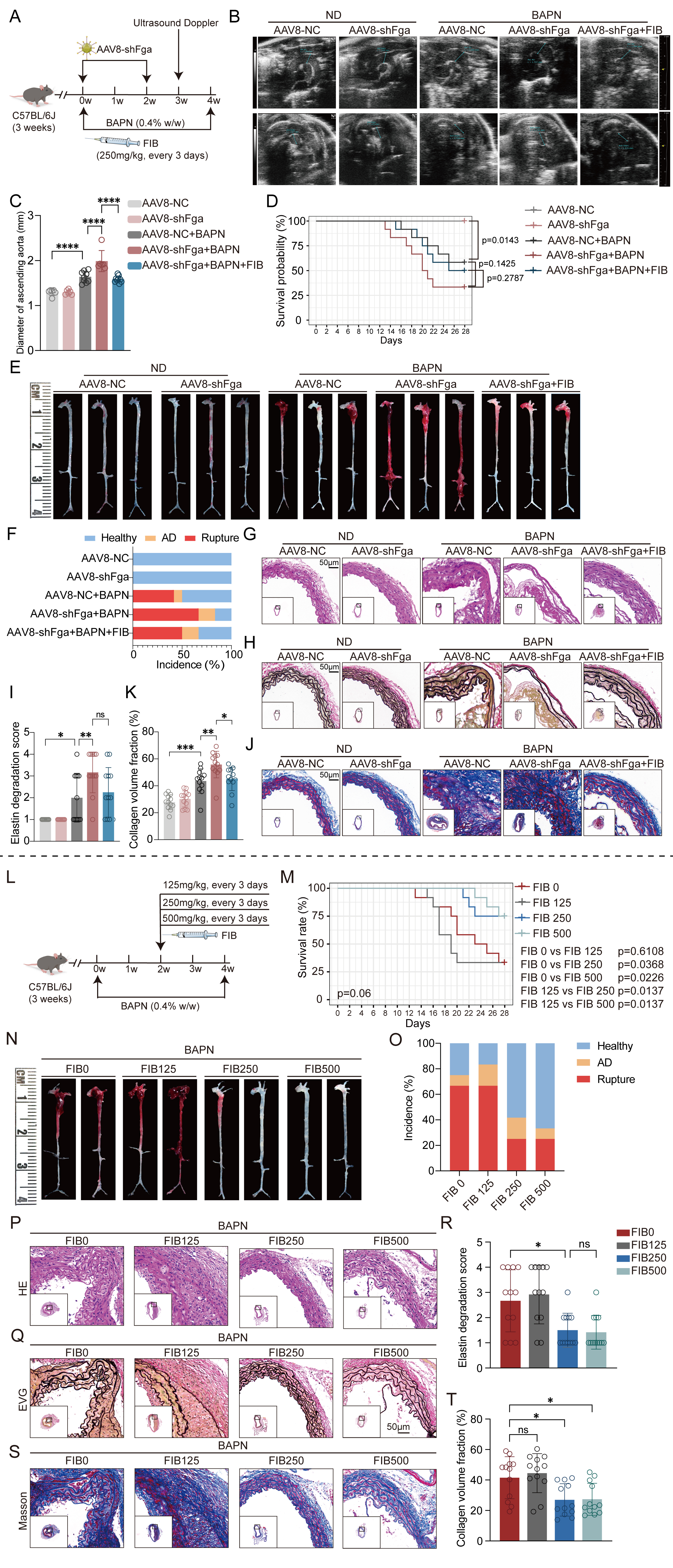
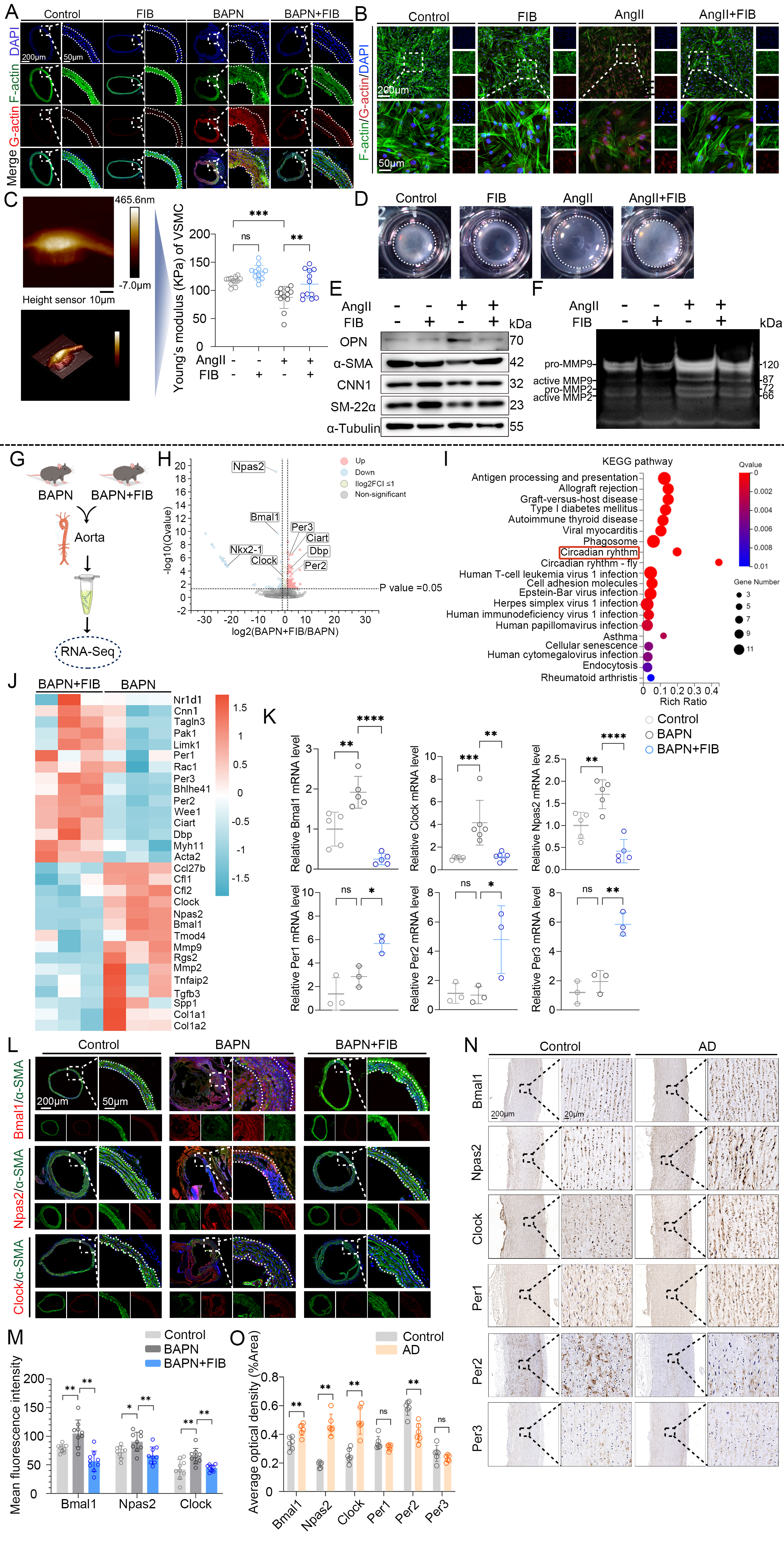
Abstract Body (Do not enter title and authors here): Background: Aortic dissection (AD) is a life-threatening vascular disease with high mortality. Surgery is essential acutely but carries risks, whereas elective chronic surgery yields better outcomes. However, no pharmacological therapy has been proven effective in slowing AD progression. In our recent pilot clinical study, an association between higher plasma fibrinogen levels and improved clinical outcomes was observed in AD patients, suggesting a potential protective role of fibrinogen. However, direct evidence supporting this hypothesis remains lacking. Methods: An extensive large population-based case-control study was conducted to examine the relationship between fibrinogen levels and in-hospital mortality in patients with acute type A AD (ATAAD). MouseAD models were developed using β-aminopropionitrile and angiotensin II in mice to investigate the causative effect of fibrinogen. Morphological, functional, and histological analyses were performed on the aorta of humans and mice, as well as cultured human vascular smooth muscle cells (VSMCs), to assess fibrinogen’s impact on vascular contractility. Western blot, RNA sequencing, and gain-/loss-of-function approached elucidated mechanisms. Results: ATAAD patients with fibrinogen levels >2 g/L had significantly lower in-hospital mortality than those with levels <2 g/L. Notably, fibrinogen was undetectable in the aortic samples from control individuals without AD in humans and mice. However, fibrinogen accumulation was observed in the aortic media of both patients with AD and mouse models. Notably, fibrinogen accumulation was more pronounced in mice with advanced but unruptured AD, suggesting its role in maintaining vascular stability. AAV8-mediated fibrinogen knockdown significantly exacerbated, whereas exogenous supplementation with fibrinogen alleviated AD in mice, as evidenced by changes in survival rate, aortic dilation, AAD incidence, elastic fiber degradation, and collagen accumulation. Mechanistically, fibrinogen inhibited Bmal1 signaling, preventing detrimental VSMC phenotypic transformation and contractility impairment. Finally, exogenous supplementation with the optimal dose of fibrinogen mitigates the progression of AD in mice. Conclusions: This study identifies fibrinogen as a key regulator of VSMC contractility and aortic structural integrity, highlighting its potential as a novel therapeutic target to delay AD progression and extend the window for elective surgery.