Logo

American Heart Association

  10
  0


Final ID: Tue079

An Insight into The Therapeutic Potential of PANK Activation and Ketone Supplementation in Single Ventricle Heart Failure

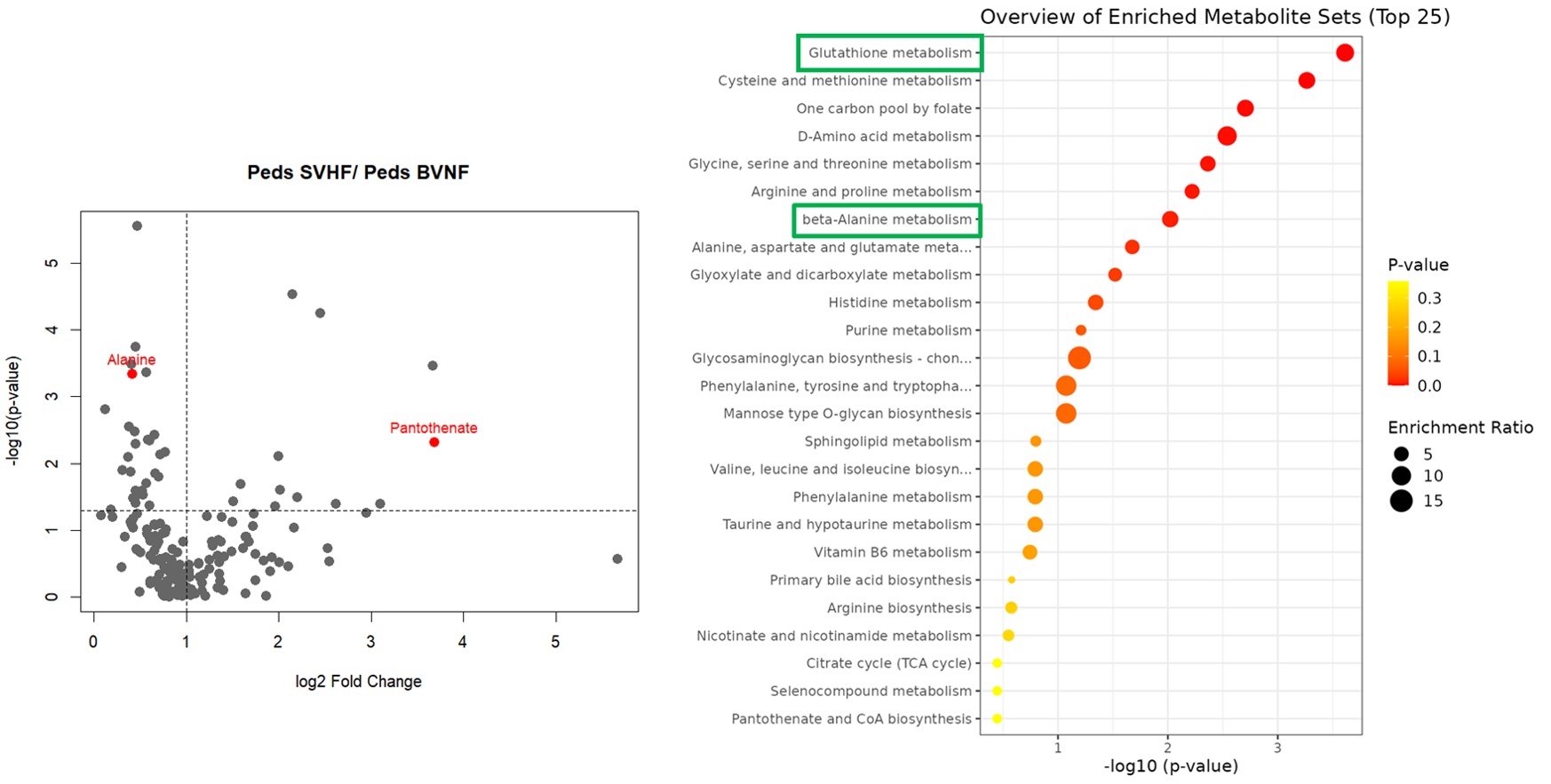
Abstract Body: Introduction: Children born with single ventricle heart disease often develop heart failure (SVHF), often requiring cardiac transplant. Explanted SV hearts have impaired mitochondrial bioenergetics and fatty acid oxidation (FAO). Sodium glucose transporter 2 inhibitors (SGLT2i) often alleviate symptoms in SVHF prompting us to study their mechanism. We tested if SGLT2i directly modulates pantothenate kinase (PANK) and if an increase in circulating ketones may benefit the SV heart. These ketones may provide an alternate energy source and regulate oxidative stress.
Hypothesis: Mitochondrial dysfunction associated with SVHF is improved by ketone supplementation and activation of PANK kinase.
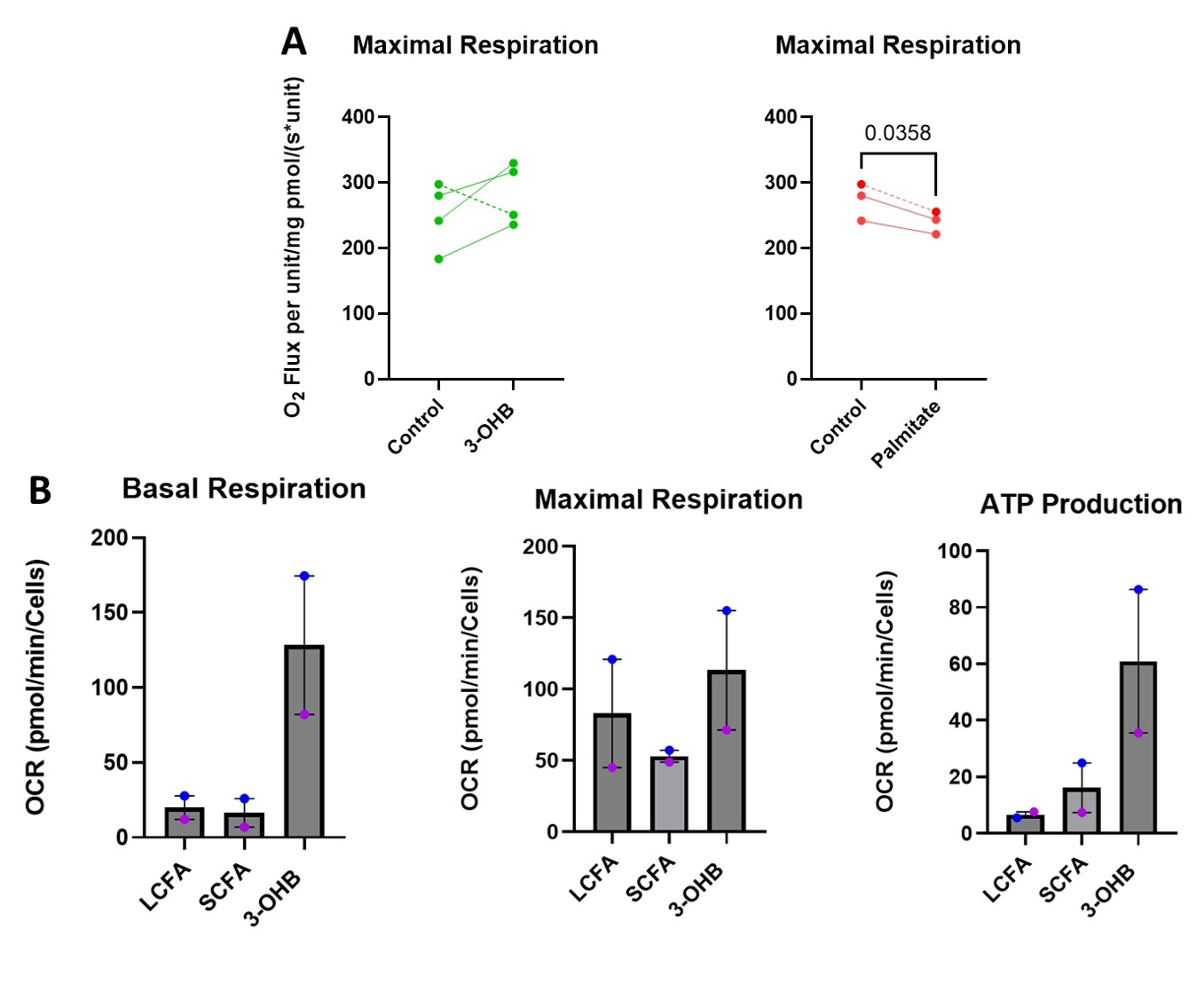
Methods: Explanted SVHF heart right ventricle (RV) tissue was treated with the 3-hydroxybutyrate (3-OHB), long chain fatty acid (LCFA) Palmitate, or Glucose and Pyruvate (G/P) overnight, to assess substrate utilization. Mitochondrial function was measured via Oxygraph-2k. Primary rat ventricular myocytes were treated with SVHF or non-failing (NF) patient sera 72h, and supplemented with each substrate for 48h. Mitochondrial function was assessed via Seahorse XFe96. Tissue metabolomics and protein analysis were performed.
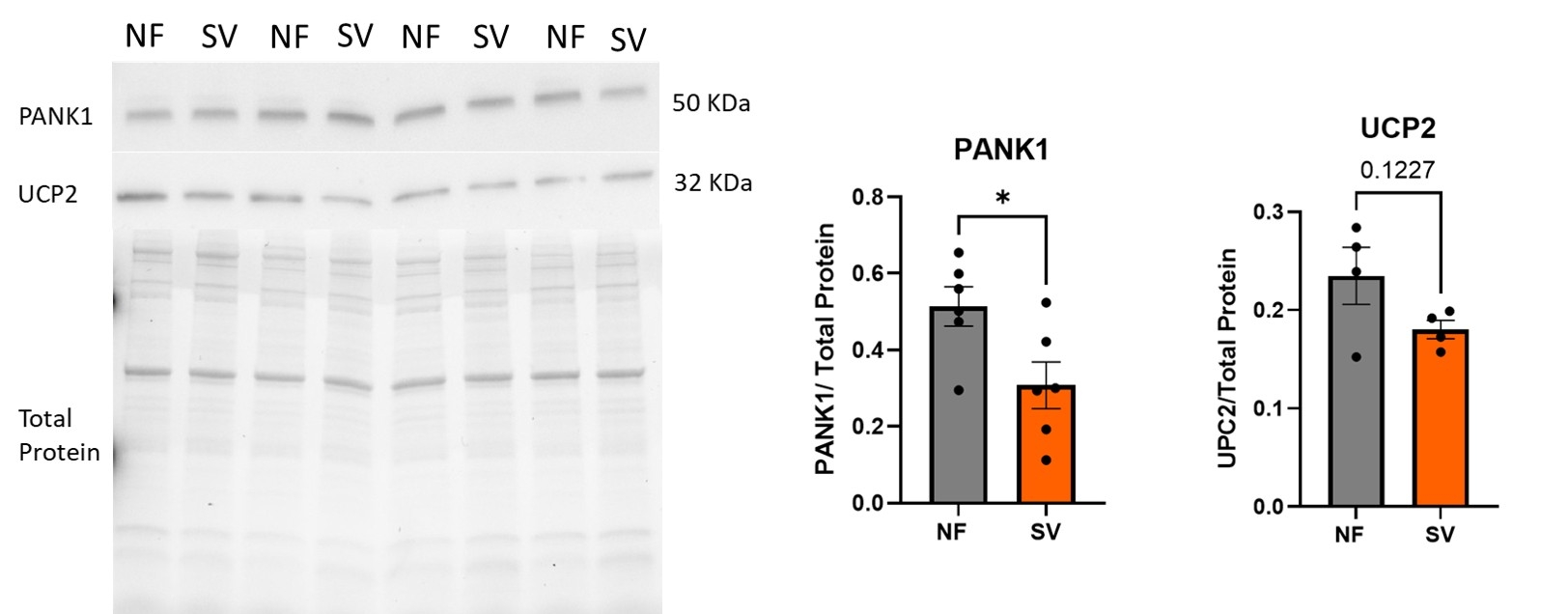
Results: Paired analysis of O2 flux/unit tissue in SVHF +/- LCFA (N=4; 1 males, 3 Females) caused a significant decrease in Complex II activity and Maximal respiration. Respiration trended higher with 3-OHB, but hearts showed no effects of G/P or SCFA. In our in vitro model, 3-OHB increased oxygen consumption rate (OCR) in SVHF serum-treated cells. There was also a decrease in cardiac PANK1 and uncoupling protein (UCP2) protein levels in SVHF.
Conclusions: SVHF is characterized by impaired mitochondrial bioenergetics, involving downregulation of PANK1. Targeted treatments, such as SGLT2i and PANK activators, demonstrate potential by directly improving mitochondrial function. Additionally, SVHF hearts lose their capacity to efficiently oxidize LCFA, shifting to ketone oxidation as an alternative fuel source. Disease progression is further driven by oxidative stress linked to downregulated uncoupling proteins, which ketones may be able to mitigate.
  • Casa De Vito, Mariana  ( University of Colorado Anschutz , Aurora , Colorado , United States )
  • Sucharov, Carmen  ( UNIVERSITY OF COLORADO Anschutz , Aurora , Colorado , United States )
  • Miyamoto, Shelley  ( CHILDRENS HOSPITAL COLORADO , Aurora , Colorado , United States )
  • Stauffer, Brian  ( UNIVERSITY OF COLORADO Anschutz , Aurora , Colorado , United States )
  • Sparagna, Genevieve  ( University of Colorado Anschutz Medical Campus , Aurora , Colorado , United States )
  • Author Disclosures:
Meeting Info:

Basic Cardiovascular Sciences 2026

2026

Boston, Massachusetts

Session Info:

Poster Session 2

Tuesday, 07/14/2026 , 04:30PM - 07:00PM

Poster Session and Reception

More abstracts on this topic:
A Novel Classification of Heart Failure Derived from the Nationwide JROADHF Cohort Using Unsupervised Machine Learning

Kyodo Atsushi, Tsutsui Hiroyuki, Hikoso Shungo, Nakada Yasuki, Nogi Kazutaka, Ishihara Satomi, Ueda Tomoya, Tohyama Takeshi, Enzan Nobuyuki, Matsushima Shouji, Ide Tomomi

A Stepwise Approach to Identifying and Assessing the Content Validity of Patient-Reported Outcome (PRO) Measures for Use with Adults with Acute Heart Failure

O'connor Meaghan, Loughlin Anita, Waldman Laura, Rucker Sloan, Vaghela Shailja, Kwon Namhee, Sikirica Vanja

More abstracts from these authors:
Ketones as an Optimal Substrate in Single Ventricle Heart Disease

Casa De Vito Mariana, Sparagna Genevieve, Sucharov Carmen, Stauffer Brian, Miyamoto Shelley

Linoleic acid and Elamipretide Can Improve Mitochondrial Function in Pediatric Dilated Cardiomyopathy

Casa De Vito Mariana, Sparagna Genevieve, Sucharov Carmen, Miyamoto Shelley, Stauffer Brian

You have to be authorized to contact abstract author. Please, Login
Not Available