
Logo

American Heart Association

  18
  0


Final ID: MP260

Multimodal Radiomics and Machine Learning for Predicting Hemorrhagic Transformation After Acute Ischemic Stroke: A Meta-Analysis and External Validation

Abstract Body (Do not enter title and authors here): Background:
Hemorrhagic transformation (HT) is a common outcome of acute ischemic stroke (AIS), especially following thrombolytic or endovascular reperfusion therapy. Early detection of HT may guide therapeutic decisions and reduce risk. With the advancement of artificial intelligence in neuroimaging, several studies have investigated machine learning (ML) and radiomics models for predicting HT using imaging and clinical data.
Objective:
The purpose of this meta-analysis was to analyze the diagnostic efficacy of ML-based radiomic models for predicting HT after AIS and their generalizability via external validation.
Methods:
We conducted a systematic review and meta-analysis of works published until May 2025 using PubMed, EMBASE, Scopus, and IEEE Xplore. The inclusion criteria were studies that used ML-based radiomic or deep learning models with CT, MRI, or multimodal imaging to predict HT in AIS patients. A bivariate random-effects model was used to examine the pooled sensitivity, specificity, diagnostic odds ratio (DOR), and area under the summary receiver operating characteristic curve (AUC-SROC). The risk of bias was assessed using the QUADAS-2 method. Subgroup analyses were performed based on the imaging modality and algorithm type. An external validation cohort (n=1,150) was used to assess the generalizability of top-performing models.
Results:
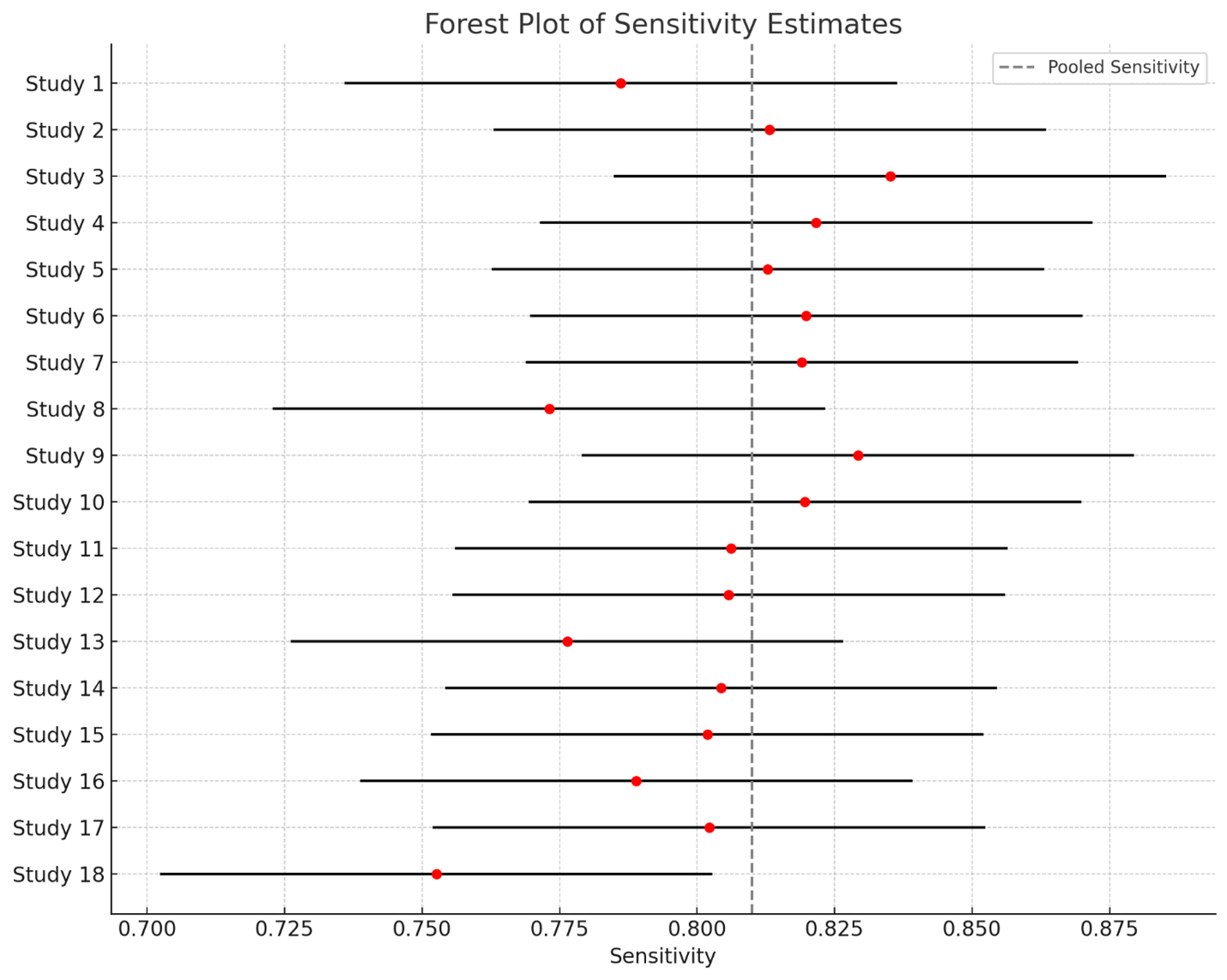
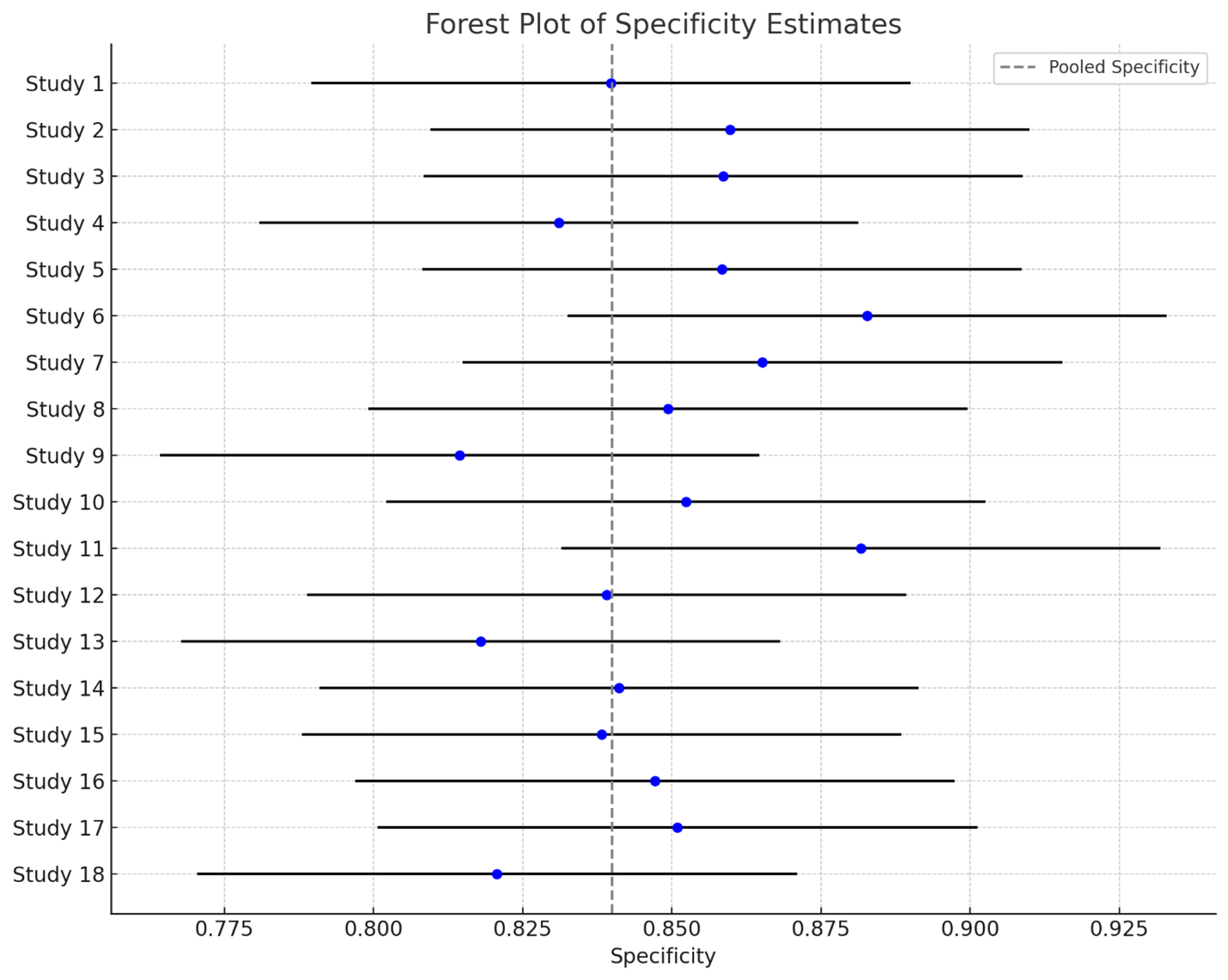
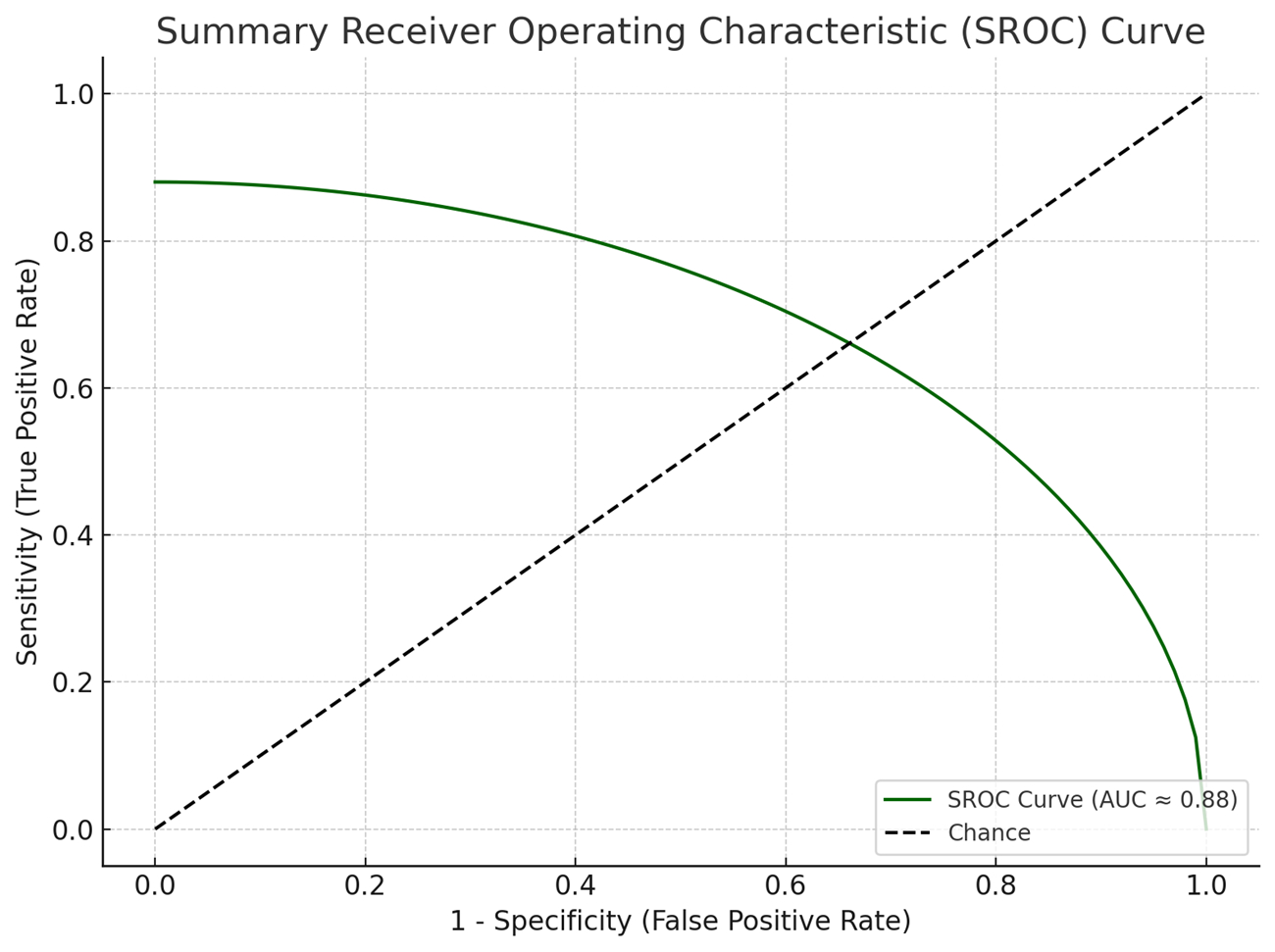
18 studies (n = 3,945 patients; ~455 with HT) met the inclusion criteria. The pooled sensitivity and specificity for machine learning-based radiomics models were 0.81 (95% CI: 0.78-0.84) and 0.84 (95% CI: 0.80-0.88), respectively, with a diagnostic odds ratio of 22.5 (95% CI: 15.0-33.8). The overall AUC-SROC value was 0.88 (95% CI: 0.85–0.91). MRI-based models outperformed CT-only models (AUC: 0.85; p = 0.01). yielded an AUC of 0.87, sensitivity of 0.83, and specificity of 0.82, indicating generalizability. There was no significant publication bias, and heterogeneity was large (I square = 46%).
Conclusion:
ML-based radiomics models that use multimodal neuroimaging show high prediction for hemorrhagic transition after AIS, with consistent results across modalities and external datasets. MRI-based models provide marginally higher diagnosis accuracy.
  • Kumar, Harendra  ( Dow University of Health Sciences , Karachi , Pakistan )
  • Khatri, Nisha  ( Liaquat University of Medical and Health Sciences , Jamshoro , Pakistan )
  • Author Disclosures:
    Harendra Kumar: DO NOT have relevant financial relationships | Nisha Khatri: DO NOT have relevant financial relationships
Meeting Info:

Scientific Sessions 2025

2025

New Orleans, Louisiana

Session Info:

Stroke Outcomes: AI, Access, and Equity

Saturday, 11/08/2025 , 10:45AM - 12:00PM

Moderated Digital Poster Session

You have to be authorized to contact abstract author. Please, Login
Not Available