Neutrophil Extracellular Trap Formation (NETosis) in Atherosclerosis and Acute Coronary Syndromes (ACS): A Systematic Review and Meta-Analysis
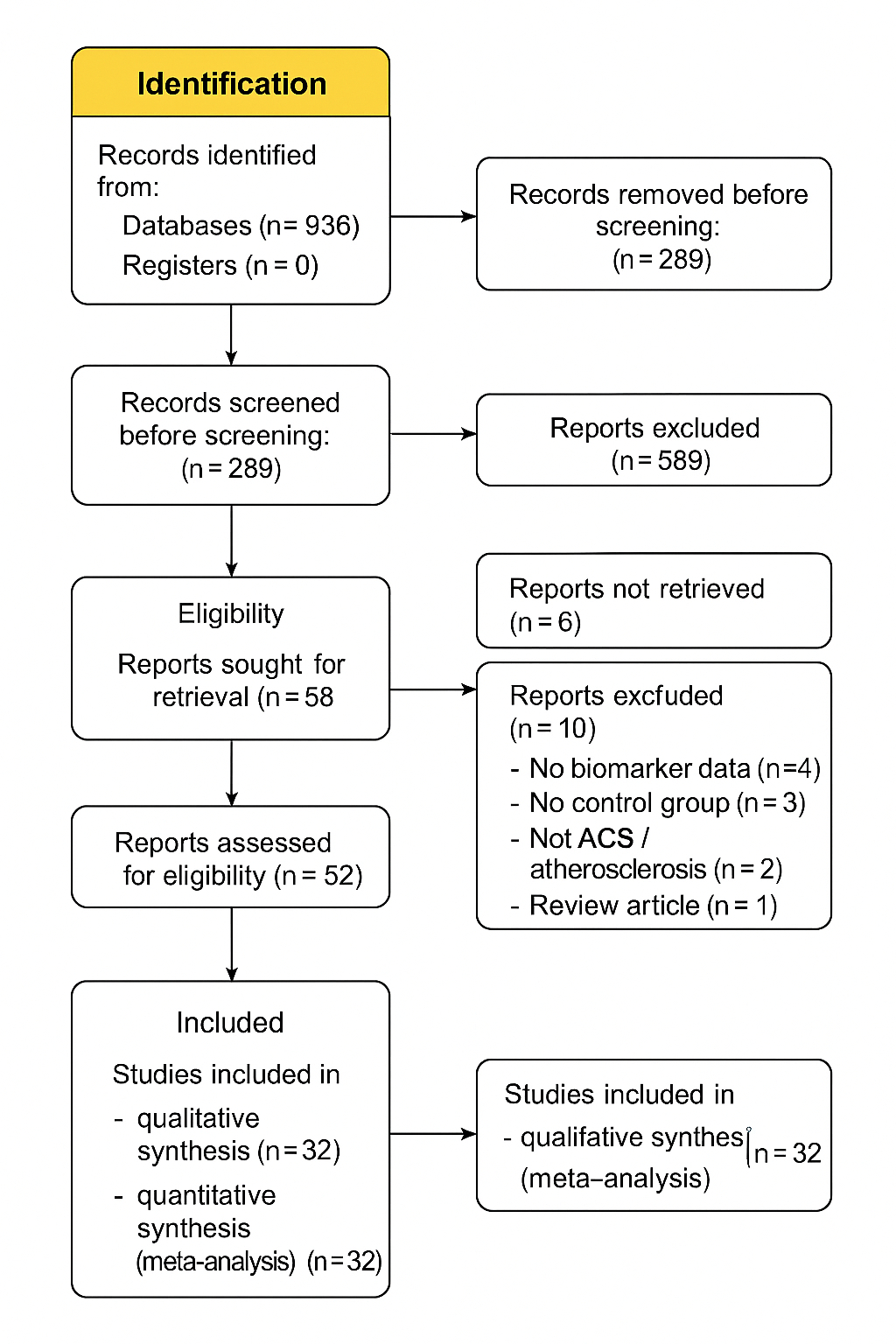
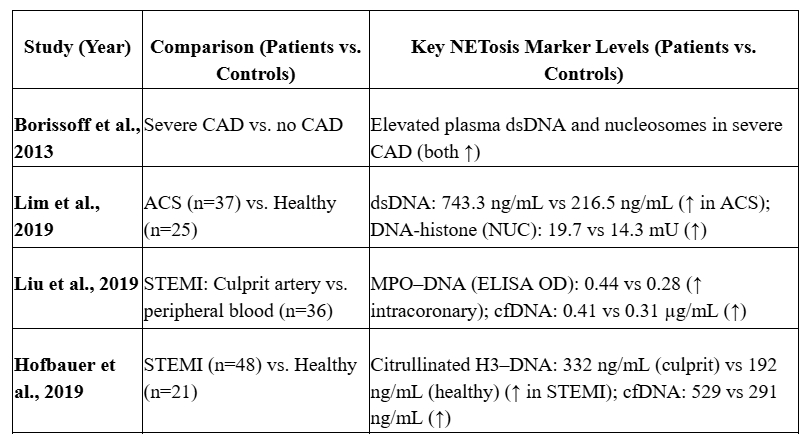
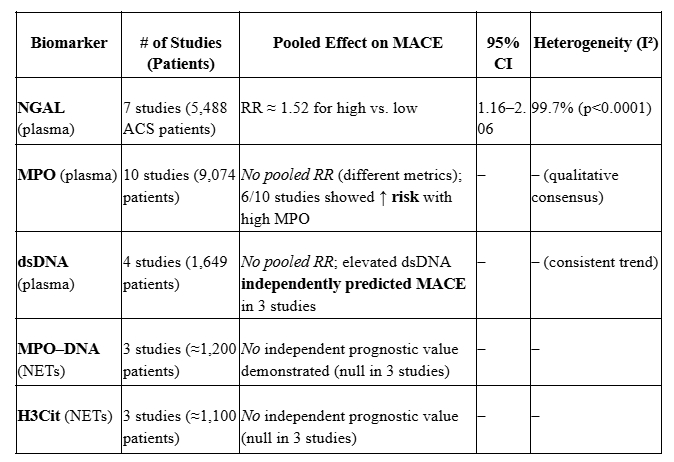
Abstract Body (Do not enter title and authors here): Background: Neutrophil extracellular traps (NETs), formed via NETosis, have emerged as key mediators linking inflammation and thrombosis in cardiovascular disease. While mechanistic studies have implicated NETosis in plaque development and thrombus formation, the quantitative burden and prognostic relevance of NET markers in atherosclerosis and acute coronary syndromes (ACS) remain underexplored. Research Question/Hypothesis: We hypothesized that NETosis is significantly elevated in patients with atherosclerosis and ACS compared to healthy controls, and that circulating NET-associated biomarkers have diagnostic and prognostic utility for adverse cardiovascular outcomes. Methods: A systematic search of PubMed, Scopus, and Web of Science (2010–2025) was conducted for clinical studies reporting circulating NET markers—such as cell-free DNA, MPO-DNA complexes, and citrullinated histones—in CAD or ACS patients versus controls. Meta-analyses were performed for biomarkers with ≥4 independent datasets. Outcomes included biomarker levels, risk ratios (RR) for major adverse cardiovascular events (MACE), and heterogeneity (I2). Results: Thirty-two studies (n = 19,404 patients) met inclusion criteria. Compared to controls, patients with CAD and ACS exhibited significantly elevated levels of NET markers: dsDNA (pooled standardized mean difference [SMD] = 1.17, 95% CI: 0.93–1.42), MPO–DNA (SMD = 0.98, 95% CI: 0.73–1.24), and H3Cit (SMD = 1.26, 95% CI: 1.02–1.50); all p < 0.001. Subgroup analysis revealed higher NET marker concentrations in intracoronary versus peripheral samples during STEMI. Prognostically, elevated neutrophil gelatinase-associated lipocalin (NGAL) was associated with increased risk of MACE (RR = 1.52, 95% CI: 1.16–2.06; I2= 99.7%). Circulating dsDNA independently predicted in-hospital MACE in three of four ACS cohorts. However, MPO–DNA and H3Cit showed inconsistent prognostic utility across smaller studies. Conclusion: NETosis is significantly upregulated in atherosclerosis and ACS, with circulating NET markers showing robust diagnostic and emerging prognostic value. NGAL and dsDNA are the most consistent predictors of adverse outcomes. These findings support the development of NET-targeted therapies and NET-based risk stratification tools in coronary artery disease.
Arko, Soumyadipto Biswas
(
Dhaka Medical College and Hospital
, Dhaka , Bangladesh )
Saha, Utsow
(
Icahn School of Medicine at Mount Sinai
, Queens , New York , United States )
Author Disclosures:
Soumyadipto Biswas Arko:DO NOT have relevant financial relationships
| Utsow Saha:DO NOT have relevant financial relationships