
SGLT2 Inhibitors in Atrial Fibrillation Patients without Diabetes: A Propensity-Matched Analysis of Mortality and Cerebrovascular Outcomes
Abstract Body (Do not enter title and authors here): Background: Sodium-glucose cotransporter-2 (SGLT2) inhibitors have demonstrated cardiovascular benefits in patients with type 2 diabetes, including reduction in heart failure (HF) hospitalizations and major adverse cardiovascular events. Previous studies have suggested a potential reduction in atrial fibrillation incidence and AF-related hospitalizations in diabetic populations. However, the role of SGLT2 inhibitors in non-diabetic patients with atrial fibrillation remains unclear. This study aims to assess the impact of SGLT-2 inhibitors on clinical outcomes in non-diabetic patients with AF.
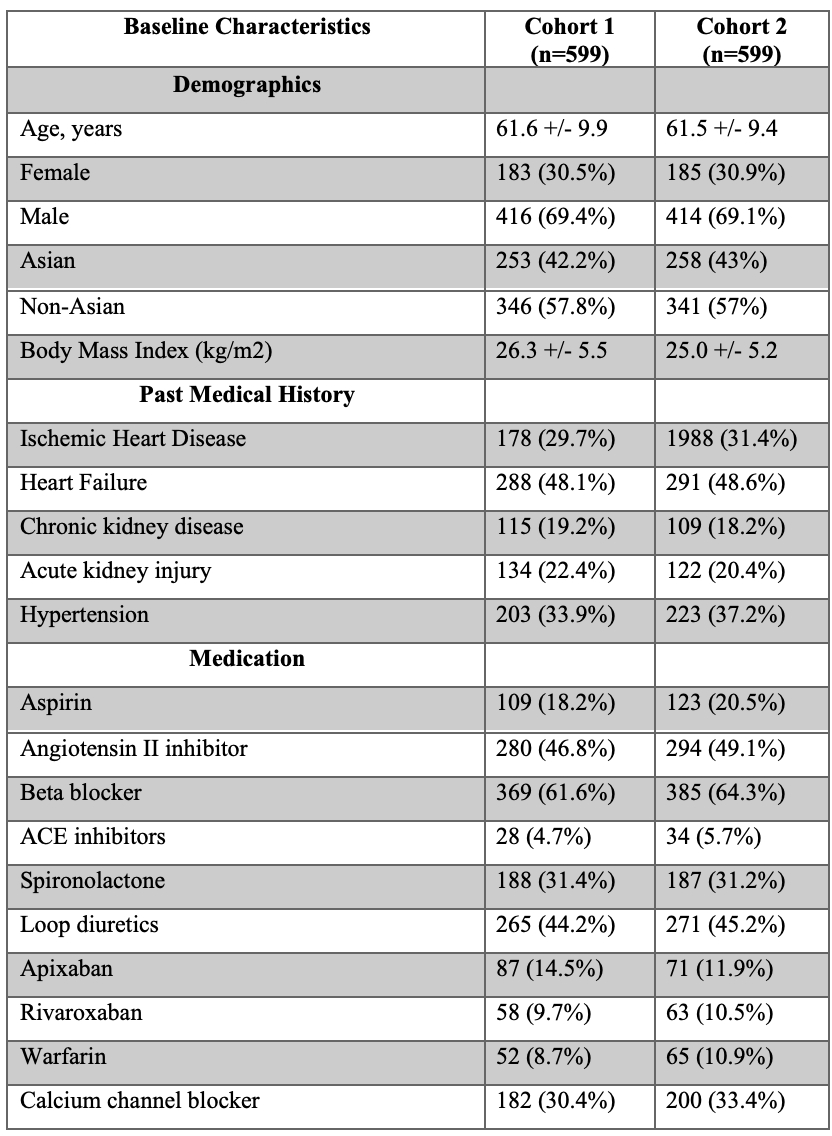
Methods: We performed a retrospective analysis of a cohort of patients with atrial fibrillation without a prior diagnosis of diabetes from the TriNetX research network. Patients were divided into two groups based on SGLT2 inhibitor use. The indications for SGLT2 inhibitor use were HF or chronic kidney disease. Propensity score matching (1:1) was performed to balance baseline characteristics, including age, race, sex, comorbidities, concurrent medications, and baseline laboratory values. The primary outcome was all-cause mortality. Secondary outcomes included incidence of urinary tract infection (UTI), cerebrovascular events, and major bleeding. Statistical significance was set at p<0.05.
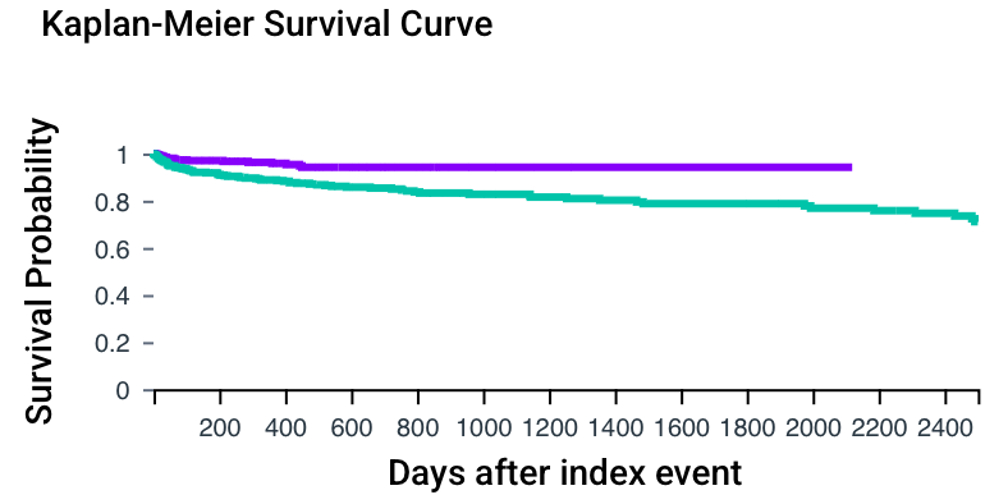
Results: The initial cohort was 4,898 patients. After propensity matching the 2 groups were 599 each. The average age was 61 years, there were 368 females, 426 patients with hypertension, 579 with heart failure. Mortality was 3% in group 1 and 14% in group 2. SGLT2 inhibitors use was associated with a significant reduction in all-cause mortality compared to controls (standardized hazard ratio 0.36, 95% CI 0.21–0.59, p<0.001). Patients receiving SGLT2 inhibitors also experienced a lower incidence of cerebrovascular events (hazard ratio 0.36, 95% CI 0.18–0.74, p =0.002). There was no significant difference in the risk of major bleeding (2.3% vs 3.6%) or UTI (3.5% vs 5.2%) between the two groups.
Conclusion: In this large cohort, SGLT2 inhibitor use in patients with atrial fibrillation without diabetes was associated with significant reductions in mortality and cerebrovascular events, without an increased risk of bleeding or UTI. These results suggest a potential role for SGLT2 inhibitors in improving cardiovascular outcomes in atrial fibrillation independent of glycemic status and support their investigation as a novel therapeutic strategy in this high-risk population.
Azzo, Joe David
( Cooper University Healthcare
, Camden
, New Jersey
, United States
)
Nakhoul, Charbel
( Cooper University Healthcare
, Camden
, New Jersey
, United States
)
Mrad, Rudy
( UT Southwestern
, Dallas
, Texas
, United States
)
Rachoin, Jean-sebastien
( Cooper University Healthcare
, Cherry Hill
, New Jersey
, United States
)
Author Disclosures:
Joe David Azzo:DO NOT have relevant financial relationships
| Charbel Nakhoul:DO NOT have relevant financial relationships
| Rudy Mrad:No Answer
| jean-sebastien rachoin:No Answer