Virtual Decentralized Study of Patient Nausea Experience on Anti-Obesity Medication (COSMOS-DIGITAL)
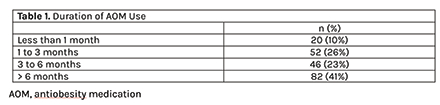
Abstract Body (Do not enter title and authors here): Background: Virtual clinical trials offer a scalable approach to evaluate patient-reported outcomes in real-world settings, particularly related to duration and severity of common side effects associated with marketed therapies. Study designs leveraging decentralized, tech-enabled platforms can be used to rapidly generate insights that may inform symptom management strategies. Aim: This study evaluated the feasibility of conducting a fully virtual decentralized clinical trial (DCT) with patients taking an anti-obesity medication (AOM) recruited from a digital health online community. Methods: Adult members of a US-based online digital community who self-reported use of an AOM—tirzepatide or semaglutide—for weight management were eligible for the study if willing to complete an at-home blood draw and surveys that were delivered and completed electronically. Study activities included a day 1 survey, a 30-day nausea diary, an at-home microneedle blood collection and send-out lab test, a day 30 survey, and a blood draw device satisfaction survey. Surveys captured past medical history, symptom severity, mitigation strategies, and quality of life. Blood test analytes included A1c, total cholesterol, HDL-C, triglycerides, LDL-C, creatinine, and hsCRP. Results: From 276,391 emails, 480 people completed the screener within 8 business days, and the first 200 were consented and enrolled. Participants were mostly female (86%), White (88%), and employed full time (54.5%). The mean age was 54 (range, 28-78) years, and the mean BMI was 33.9 kg/m2. The duration of AOM varied (< 1 month, 10.0%; 1–3 months, 26.0%; 3–6 months, 23.0%; > 6 months, 41.0%; Table 1). Most participants completed the survey elements (75.5%) and blood draws (76.0%), with 93% of samples sufficient for full or partial analyte panel testing. People were satisfied with the at-home microneedle blood collection and preferred it over clinic-based blood draws. Conclusion: This study highlights the potential of virtual DCTs to support rapid recruitment and effective remote data capture in weight management research. Further work is needed to ensure the representativeness of study participants recruited from fully online communities.
Kalich, Bethany
( Amgen, Inc
, San Antonio
, Texas
, United States
)
Cruz, Marisa
( Amgen, Inc
, San Antonio
, Texas
, United States
)
Shaw, Stanley
( Amgen, Inc
, San Antonio
, Texas
, United States
)
Cordova, Jeanine
( Amgen, Inc
, San Antonio
, Texas
, United States
)
Mina, Michael
( Your Bio Health
, Medford
, Massachusetts
, United States
)
Chen, Brian
( Inspire, Inc
, Arlington
, Virginia
, United States
)
Burton, Paul
( Amgen, Inc
, San Antonio
, Texas
, United States
)
Author Disclosures:
Bethany Kalich:DO have relevant financial relationships
;
Employee:Amgen, Inc:Active (exists now)
| Marisa Cruz:No Answer
| Stanley Shaw:DO have relevant financial relationships
;
Employee:Amgen:Active (exists now)
| Jeanine Cordova:No Answer
| Michael Mina:No Answer
| Brian Chen:DO have relevant financial relationships
;
Consultant:Amgen:Past (completed)
| Paul Burton:DO have relevant financial relationships
;
Employee:Amgen:Active (exists now)
; Individual Stocks/Stock Options:Amgen:Active (exists now)