
Logo

American Heart Association

  21
  0


Final ID: MP1957

Targeted IL-1 Inhibition in Coxsackievirus-Induced Incessant Pericarditis: An Immunotherapy Approach

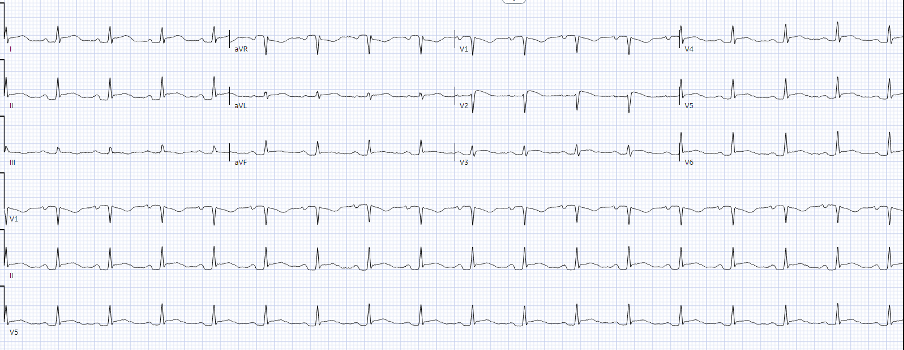
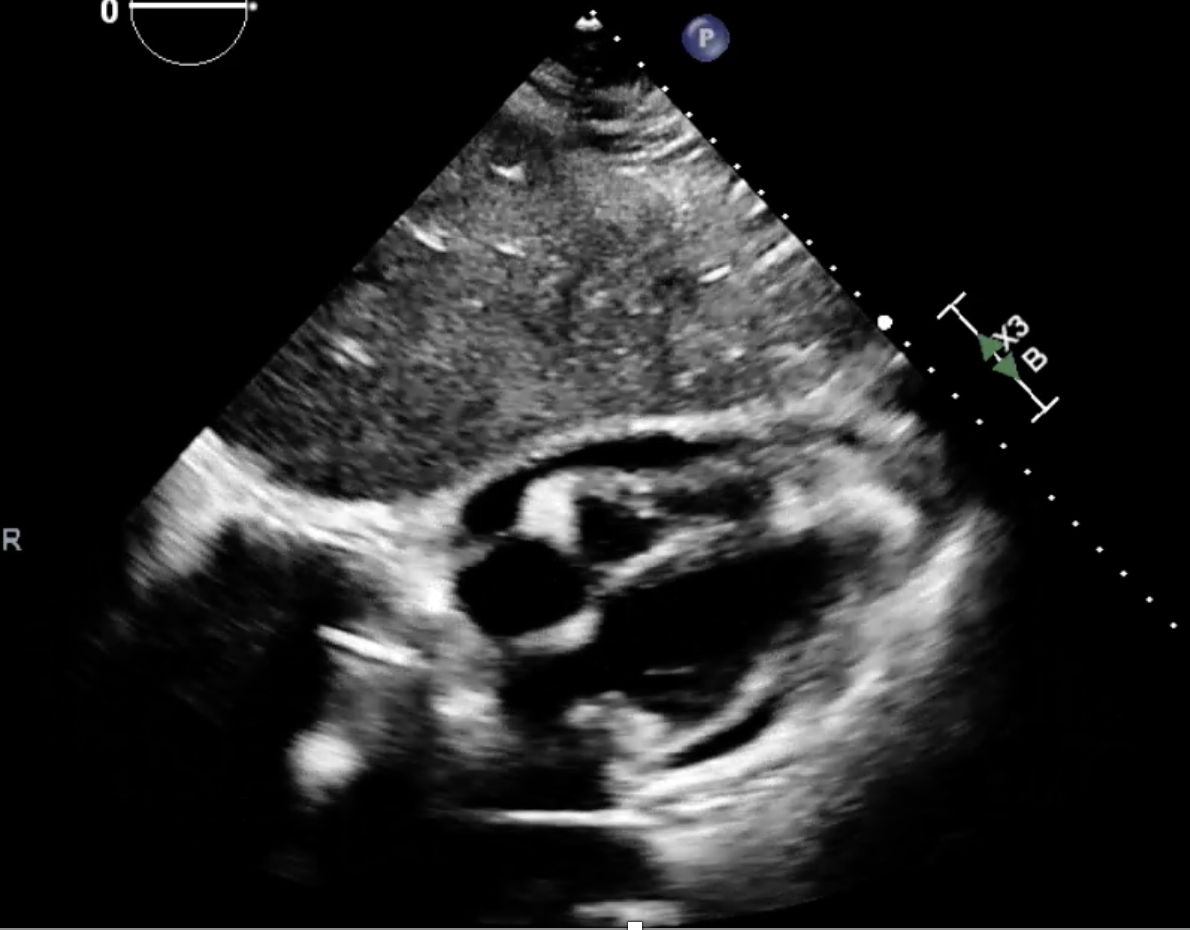
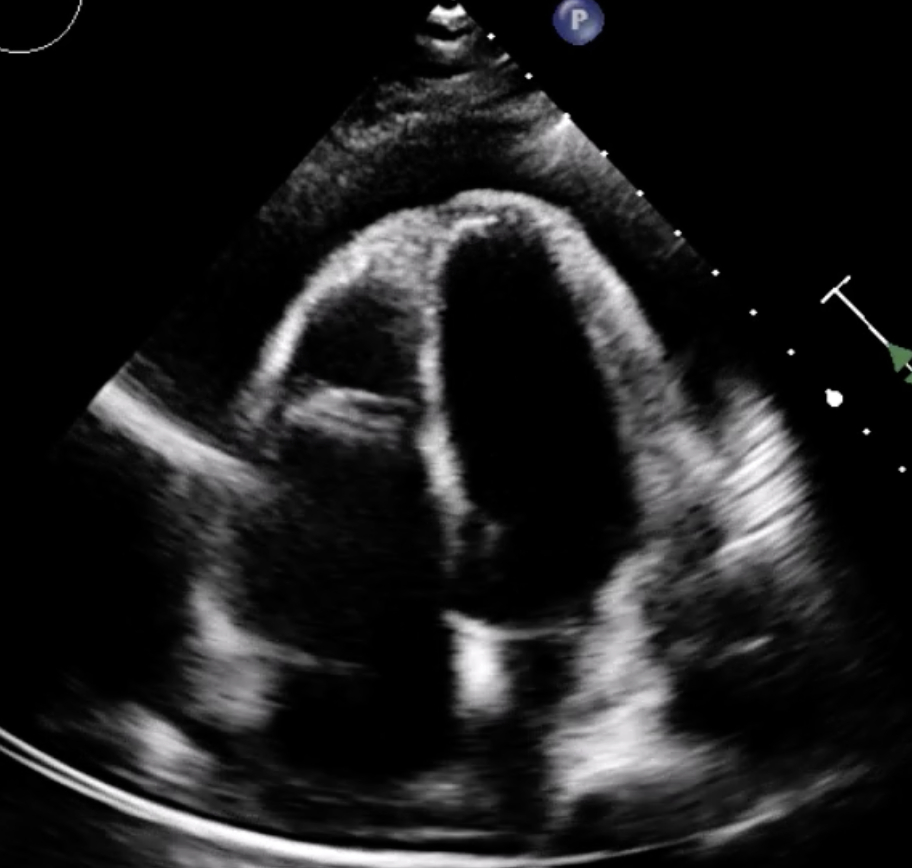
Abstract Body (Do not enter title and authors here): Case Presentation: A previously healthy 33-year-old woman developed acute pericarditis with early tamponade physiology following a Coxsackievirus B infection contracted from her child. Despite urgent pericardiocentesis (550 mL) and standard anti-inflammatory therapy with NSAIDs and colchicine, she progressed to incessant pericarditis necessitating corticosteroids.

Clinical Course and Timeline:
Day 1: Initial presentation with tamponade physiology; Coxsackie B serology positive
Days 9–10: Escalating NSAID therapy failed to control symptoms
Week 2: Prednisone (30 mg/day) initiated with temporary symptom relief
Week 3: Relapse during taper, resulting in rehospitalization
Week 7: Recurrence despite slow taper to prednisone 5 mg

Rilonacept was initiated at week 7 due to persistent steroid dependence. Within 4–6 weeks, the patient achieved complete clinical remission, normalization of inflammatory markers, and resolution of echocardiographic abnormalities. Corticosteroids were successfully discontinued over a 3-month taper while maintaining remission on rilonacept at 21-week follow-up.

Discussion: This case underscores the pathophysiological relevance of IL-1β in viral pericarditis. Coxsackievirus infection induces myocardial inflammation via IL-1–mediated cytokine cascades. Traditional steroid dependence—affecting 15-30% of pericarditis patients—represents a major therapeutic challenge with significant morbidity. By acting as a soluble decoy receptor, rilonacept interrupts this pathway, offering a targeted therapeutic strategy beyond traditional broad-spectrum immunosuppression.

Key Insights:
1. IL-1–mediated inflammation was a critical driver in disease persistence
2. Steroid dependence emerged despite optimal guideline-directed therapy
3. Rilonacept enabled sustained steroid-free remission

Clinical Significance: IL-1 inhibition with rilonacept represents a paradigm shift in managing steroid-refractory pericarditis, especially in virally mediated cases. This case supports the growing role of biologics in cardiac inflammation and raises important questions about earlier IL-1 blockade to preempt steroid dependence.

Conclusion: This case illustrates the efficacy of IL-1–targeted therapy in a complex, steroid-dependent pericarditis case and advocates for broader clinical consideration of rilonacept in viral pericarditis. Further investigation is warranted to define optimal timing and patient selection for IL-1 blockade in this setting.
  • Vemula, Shree Laya  ( South Brooklyn Health , Brooklyn , New York , United States )
  • Dey, Dipon  ( South Brooklyn Health , Brooklyn , New York , United States )
  • Patel, Chinar  ( South Brooklyn Health , Brooklyn , New York , United States )
  • Foster, Allison  ( South Brooklyn Health , Brooklyn , New York , United States )
  • Khanna, Ashok  ( South Brooklyn Health , Brooklyn , New York , United States )
  • Author Disclosures:
    Shree Laya Vemula: DO NOT have relevant financial relationships | Dipon Dey: No Answer | CHINAR PATEL: DO NOT have relevant financial relationships | Allison Foster: DO NOT have relevant financial relationships | Ashok Khanna: No Answer
Meeting Info:

Scientific Sessions 2025

2025

New Orleans, Louisiana

Session Info:

Rare and Life-Threatening Cardiovascular Emergencies: Trauma, Thrombosis, and Uncommon Triggers

Monday, 11/10/2025 , 01:45PM - 02:45PM

Moderated Digital Poster Session

More abstracts on this topic:
Artificial Intelligence Assessment of Diastolic Dysfunction by Electrocardiogram: Outcomes in Cardiac Intensive Care Unit Patients

Hillerson Dustin, Jentzer Jacob, Lee Eunjung, Attia Zachi, Kane Garvan, Lopez-jimenez Francisco, Noseworthy Peter, Friedman Paul, Oh Jae

A novel XAI framework for explainable AI-ECG using generative counterfactual-based XAI

Lee Min Sung, Jang Jong-hwan, Jo Yong-yeon, Kang Sora, Son Jeong Min, Lee Hak Seung, Kwon Joon-myoung

More abstracts from these authors:
Left Bundle Branch Area Pacing Redefines Physiological Stimulation Standards in High-Risk Cardiac Populations

Vemula Shree Laya, Schaeffer Nicolas, Khodaverdian Hrag, Ozga Dawid, Foster Allison, Bowser Carly, Sukhoo-pertab Marc, Khanna Ashok, Hegde Sudhanva

Catastrophic Antiphospholipid Syndrome Mimicking Acute Coronary Syndrome: A Diagnostic Challenge with Critical Clinical Implications

Vemula Shree Laya, Dey Dipon, Efa Jessica, Foster Allison, Toreli Aleksandre

You have to be authorized to contact abstract author. Please, Login
Not Available