TGM2-Dependent Histone Serotonylation Is a Novel Cardioprotective Epigenetic Mechanism in HFpEF Pathogenesis
Abstract Body (Do not enter title and authors here): Introduction: Heart failure with preserved ejection fraction (HFpEF) is a heterogeneous syndrome, and its pathophysiology is not fully understood. Histone serotonylation has recently emerged as a novel epigenetic mechanism, and transglutaminase 2 (TGM2) has been identified as a responsible molecule mediating this process through its gulutaminase activity.
Aim: This study aimed to investigate the significance of histone serotonylation in cardiomyocytes during the development of HFpEF.
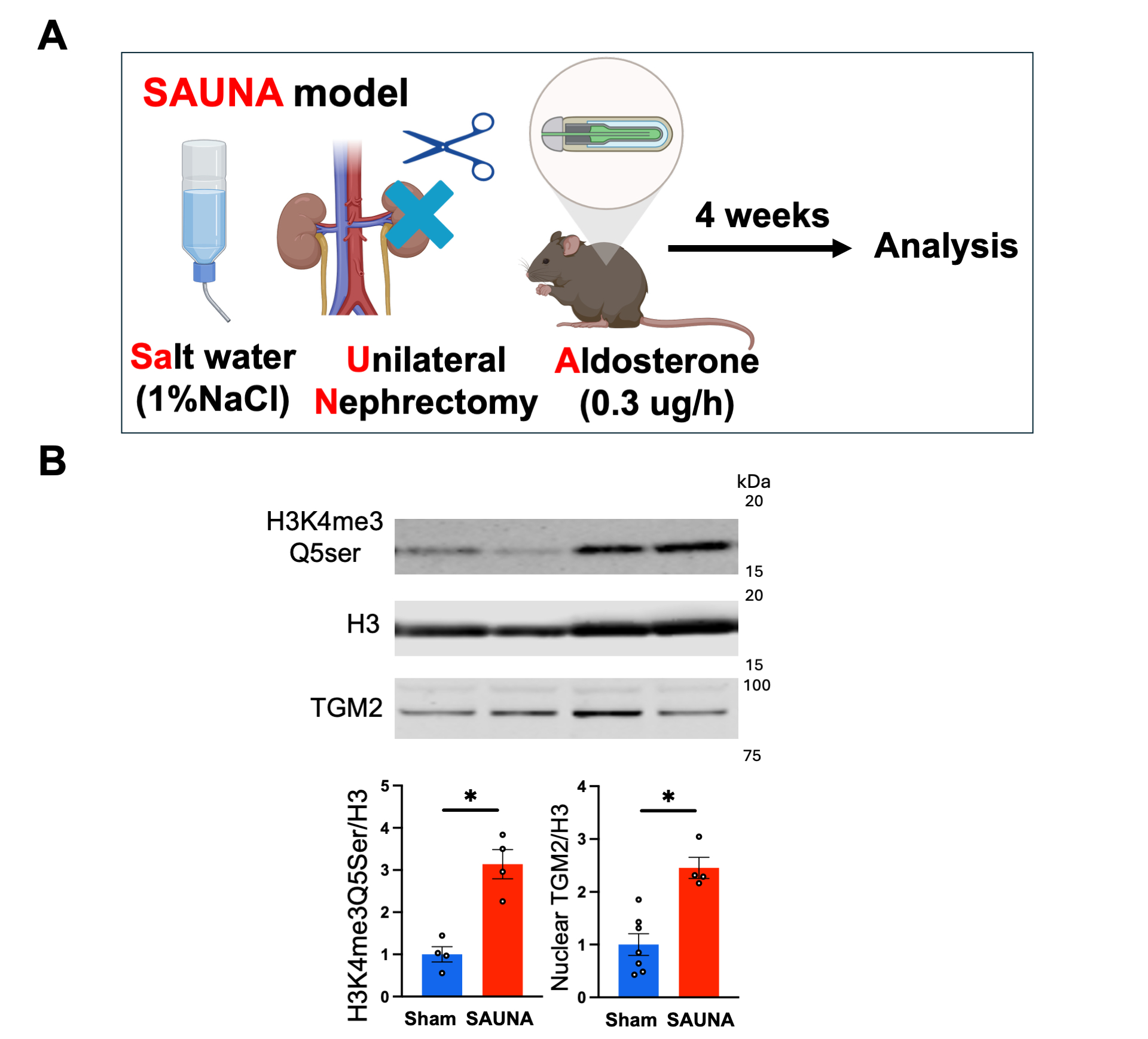
Methods: HFpEF was induced in a mouse model using a combination of salty drinking water, unilateral nephrectomy, and chronic exposure to aldosterone, referred to as the SAUNA model (Figure 1A). To assess the role of TGM2, cardiomyocyte-specific TGM2-deficient (CKO) mice were generated.
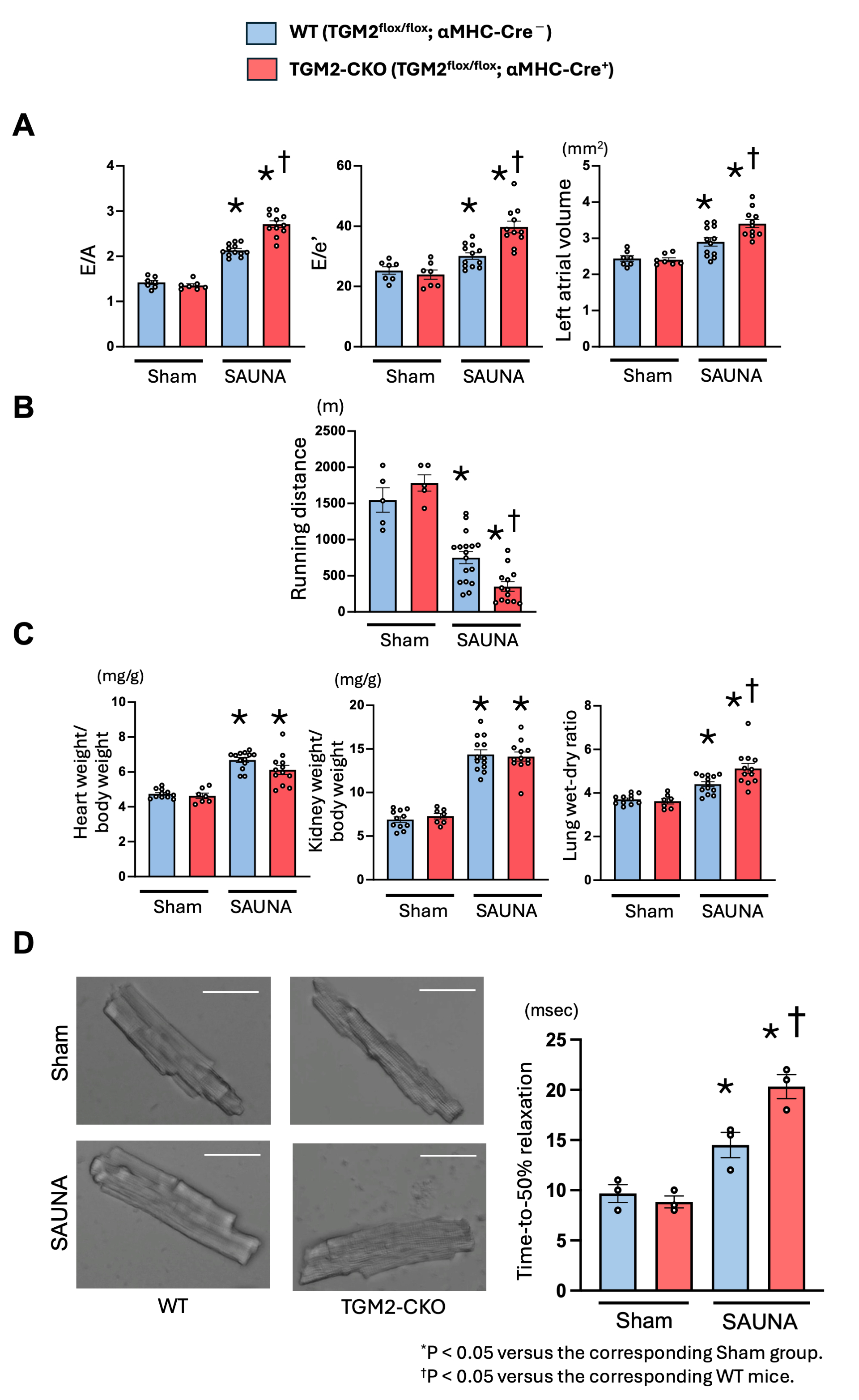
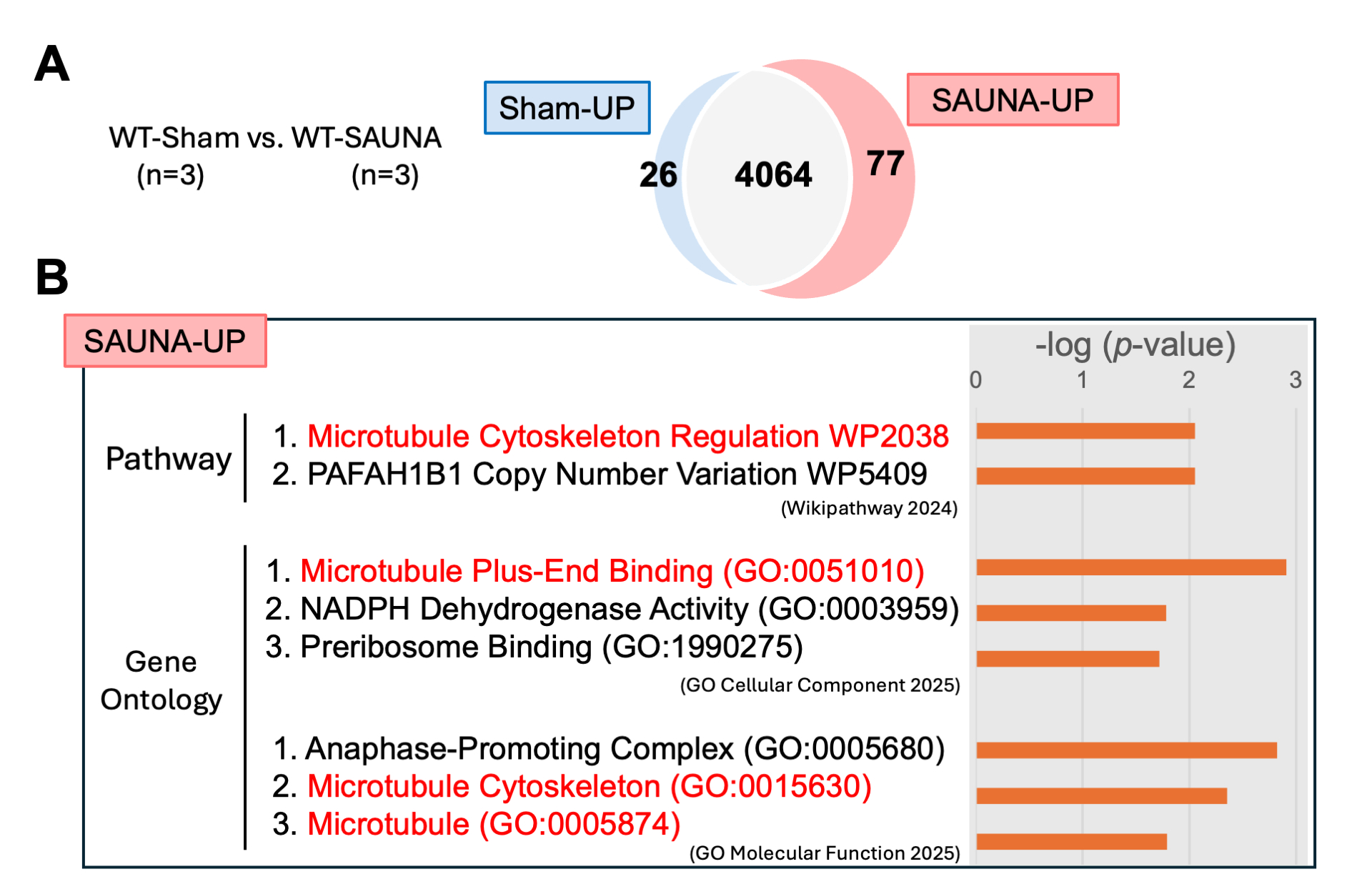
Results: In wild-type mice, histone serotonylation (H3K4me3Q5ser) as well as nuclear TGM2 expression were significantly increased in the hearts at 4 weeks after SAUNA induction. In TGM2-CKO hearts, H3K4me3Q5ser levels were decreased by 80% compared to wild-type littermates (Figure 1B). Following 4 weeks of SAUNA exposure, TGM2-CKO mice showed exacerbated diastolic dysfunction, evidenced by increased E/A ratio, E/e’ ratio, and left atrial volume, compared to wild-type littermates (Figure 2). Furthermore, SAUNA-exposed TGM2-CKO mice exhibited a significant reduction in running distance by treadmill exercise testing and elevated lung weight. Ex vivo analysis using isolated cardiomyocytes revealed that time-to-50% relaxation in response to 1 Hz pacing were significantly prolonged in cardiomyocytes from TGM2-CKO mice, indicating impaired cardiomyocyte relaxation at a single cardiomyocyte level. CUT&RUN sequencing of cardiac tissue using an anti-H3K4me3Q5ser antibody revealed significant enrichment of gene ontology terms related to microtubule-associated pathways in SAUNA hearts compared to sham controls (Figure 3). In vitro, aldosterone stimulation promoted nuclear translocation of TGM2 in cardiac myocytes transfected with GFP-tagged TGM2, whereas a Ca2+-binding-mutants failed to localize to the nucleus, indicating its role of Ca2+-dependent TGM2 activation in this process.
Conclusion: Cardiomyocyte-specific TGM2 deletion exacerbates diastolic dysfunction, exercise intolerance, pulmonary congestion, and impaired cardiomyocyte stiffness in the SAUNA model. These findings suggest that TGM2 plays a cardio-protective role and could represent a novel therapeutic target for HFpEF.
Ogawara, Ryo
(
Fukushima Medical University
, Fukushima-city , Japan )
Misaka, Tomofumi
(
Fukushima Medical University
, Fukushima-city , Japan )
Okochi, Satoshi
(
Fukushima Medical University
, Fukushima-city , Japan )
Ichimura, Shohei
(
Fukushima Medical University
, Fukushima-city , Japan )
Miura, Shunsuke
(
Fukushima Medical University
, Fukushima-city , Japan )
Yokokawa, Tetsuro
(
Fukushima Medical University
, Fukushima-city , Japan )
Takeishi, Yasuchika
(
Fukushima Medical University
, Fukushima-city , Japan )
Author Disclosures:
Ryo Ogawara:DO NOT have relevant financial relationships
| Tomofumi Misaka:DO NOT have relevant financial relationships
| Satoshi Okochi:DO NOT have relevant financial relationships
| Shohei Ichimura:DO NOT have relevant financial relationships
| Shunsuke Miura:DO NOT have relevant financial relationships
| Tetsuro Yokokawa:DO NOT have relevant financial relationships
| Yasuchika Takeishi:DO NOT have relevant financial relationships