SGLT2 Inhibitors and Long-Term Outcomes in Kidney Transplant Recipients: A Propensity-Matched Cohort Study
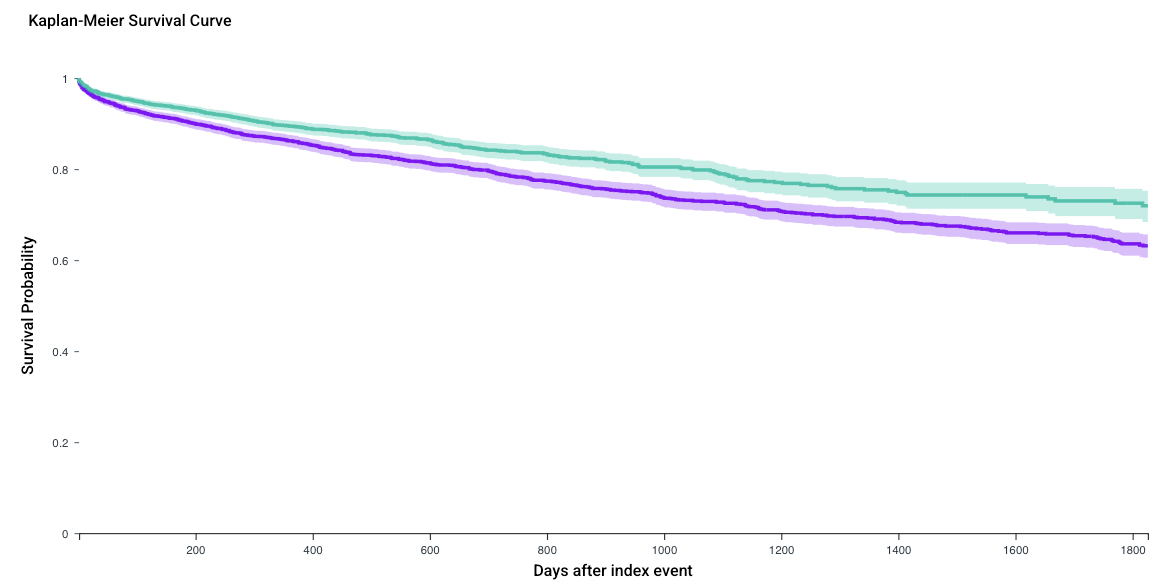
Abstract Body (Do not enter title and authors here): Background Cardiovascular disease is a leading cause of morbidity and mortality among kidney transplant recipients, driven by traditional risk factors and immunosuppressive therapy. Sodium-glucose co-transporter 2 (SGLT2) inhibitors have shown cardiovascular benefits in the general population, yet their role in solid organ transplant recipients remains underexplored. We aimed to evaluate the association between post-transplant SGLT2 inhibitor use and cardiovascular outcomes, including major adverse cardiovascular events (MACE), heart failure, arrhythmia, myocardial infarction (MI), and stroke. Methods Using the TriNetX global research network, we conducted a retrospective cohort study including adult kidney transplant recipients without prior rejection (ICD-10: T86.11). Patients were assigned to two groups: those initiating SGLT2 inhibitors within one month of transplant (SGLT2 group, n = 3,409) and those not exposed to SGLT2 inhibitors (non-SGLT2 group, n = 145,164). Propensity score matching (1:1, nearest neighbor) yielded 2,841 patients per group with well-balanced demographics, comorbidities, and medication use. Time-to-event analyses were conducted over a 5-year window. Results MACE occurred in 13.7% of SGLT2 users and 23.4% of non-users (risk difference: –9.7%; HR: 1.376, 95% CI: 1.212–1.561, p < 0.001). Heart failure occurred in 5.9% of SGLT2 users vs 10.9% of non-users (HR: 1.432, 95% CI: 1.137–1.802, p = 0.002). Arrhythmia was observed in 18.8% of SGLT2 users and 26.7% of non-users (HR: 1.298, 95% CI: 1.161–1.451, p < 0.001). MI occurred in 5.8% of SGLT2 users compared to 8.5% of non-users (HR: 1.196, 95% CI: 0.980–1.460, p = 0.078). Stroke occurred in 4.3% of SGLT2 users and 6.7% of non-users (HR: 1.280, 95% CI: 1.016–1.611, p = 0.036). Conclusion In kidney transplant recipients without prior rejection, early post-transplant SGLT2 inhibitor use was associated with significantly lower risks of MACE, heart failure, arrhythmia, and stroke. While MI rates were lower in the SGLT2 group, this did not reach statistical significance. These findings support the cardiovascular safety and potential benefit of SGLT2 inhibitors in transplant populations, warranting validation in prospective randomized trials.
Esteghamati, Sadaf
(
N/A
, Boston , Massachusetts , United States )
Kamel, Ibrahim
(
Boston Medical Center
, Wellesley , Massachusetts , United States )
Mahmoud, Ahmed
(
Boston Medical Center
, Wellesley , Massachusetts , United States )
Esteghamati, Alireza
(
TUMS
, Tehran , Iran (the Islamic Republic of) )
Author Disclosures:
Sadaf Esteghamati:No Answer
| Ibrahim Kamel:DO NOT have relevant financial relationships
| Ahmed Mahmoud:DO NOT have relevant financial relationships
| Alireza Esteghamati:No Answer