
Logo

American Heart Association

  13
  0


Final ID: Tue021

Direct conversion of human somatic cells into vascular tissue-like structure

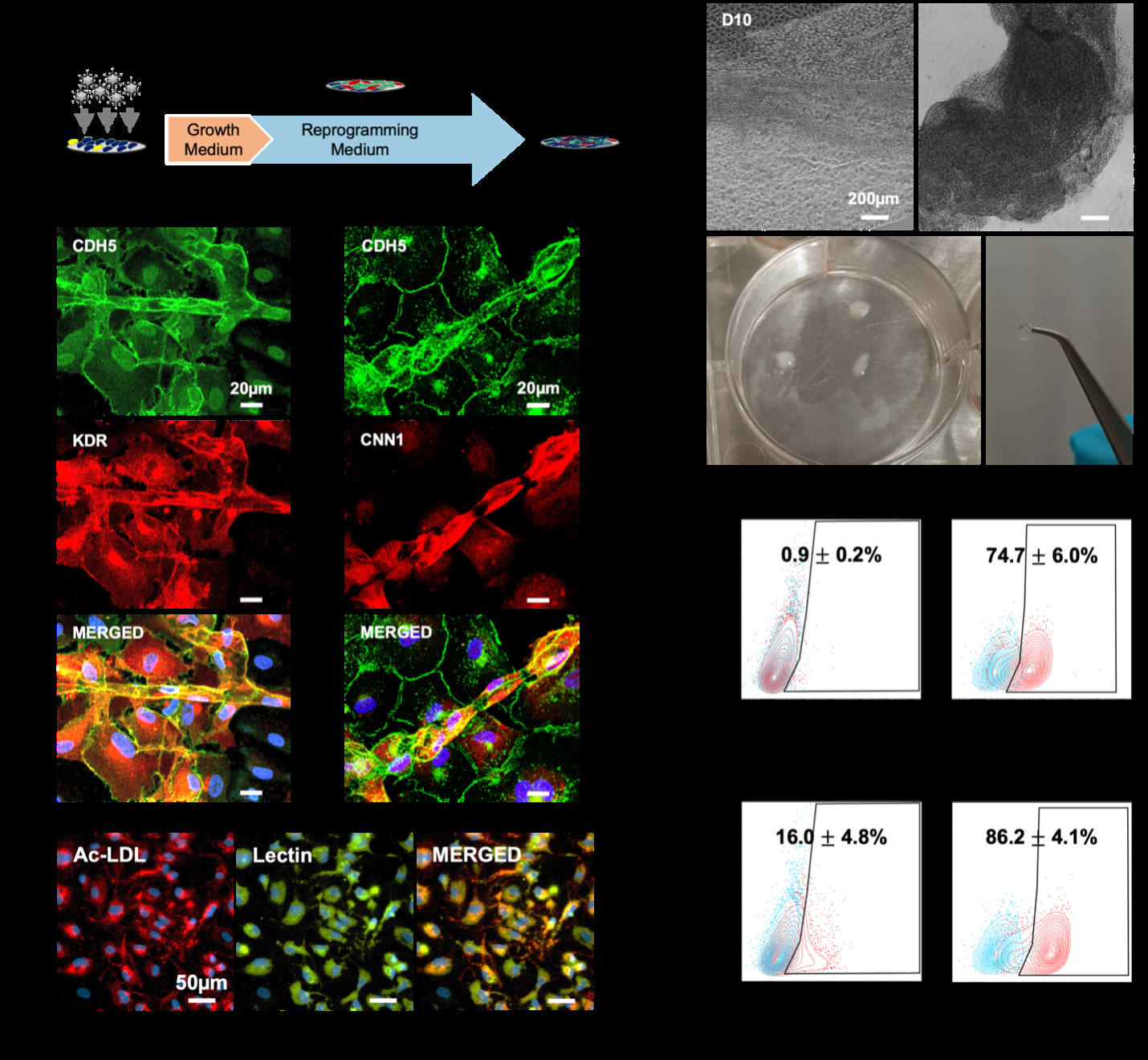
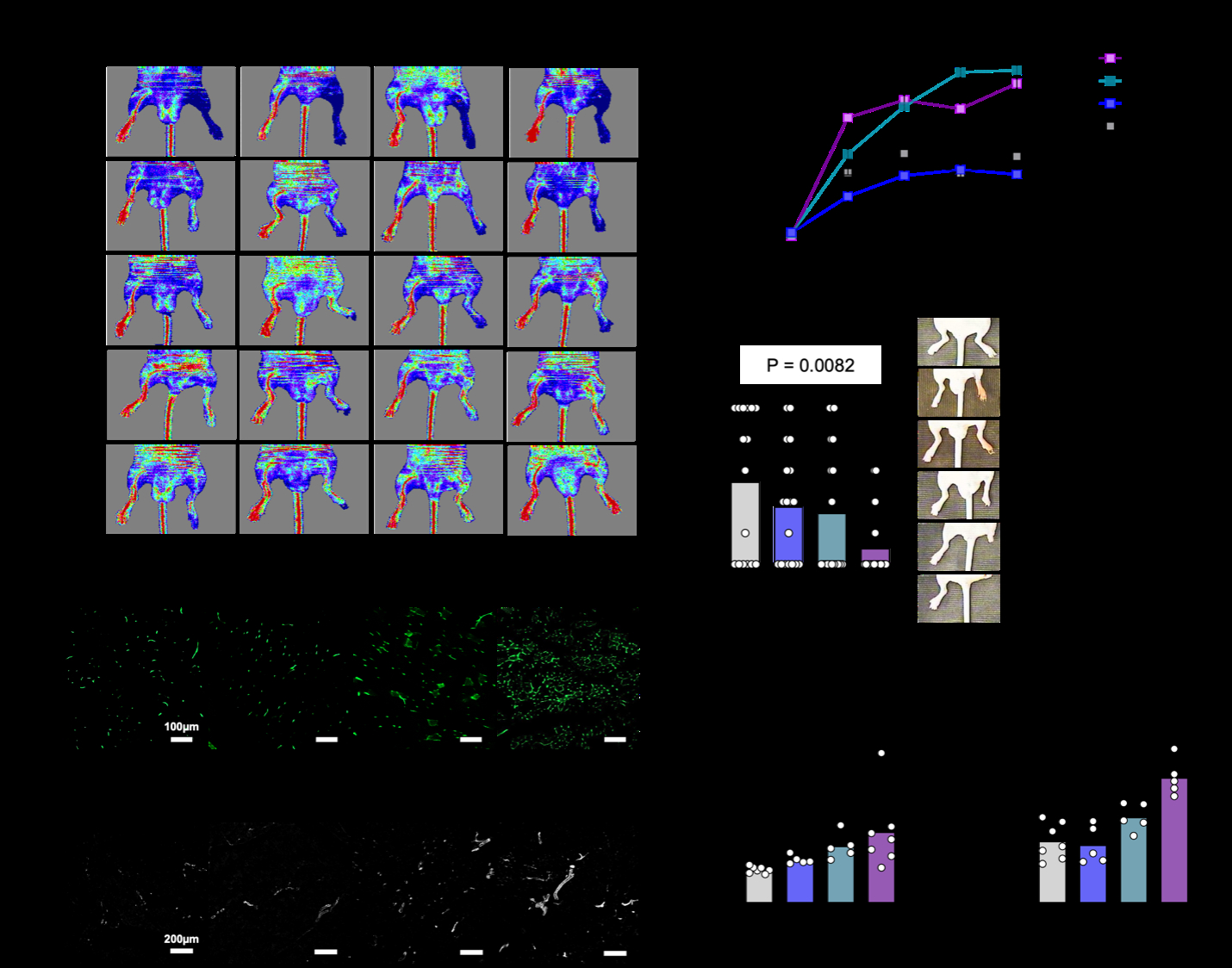
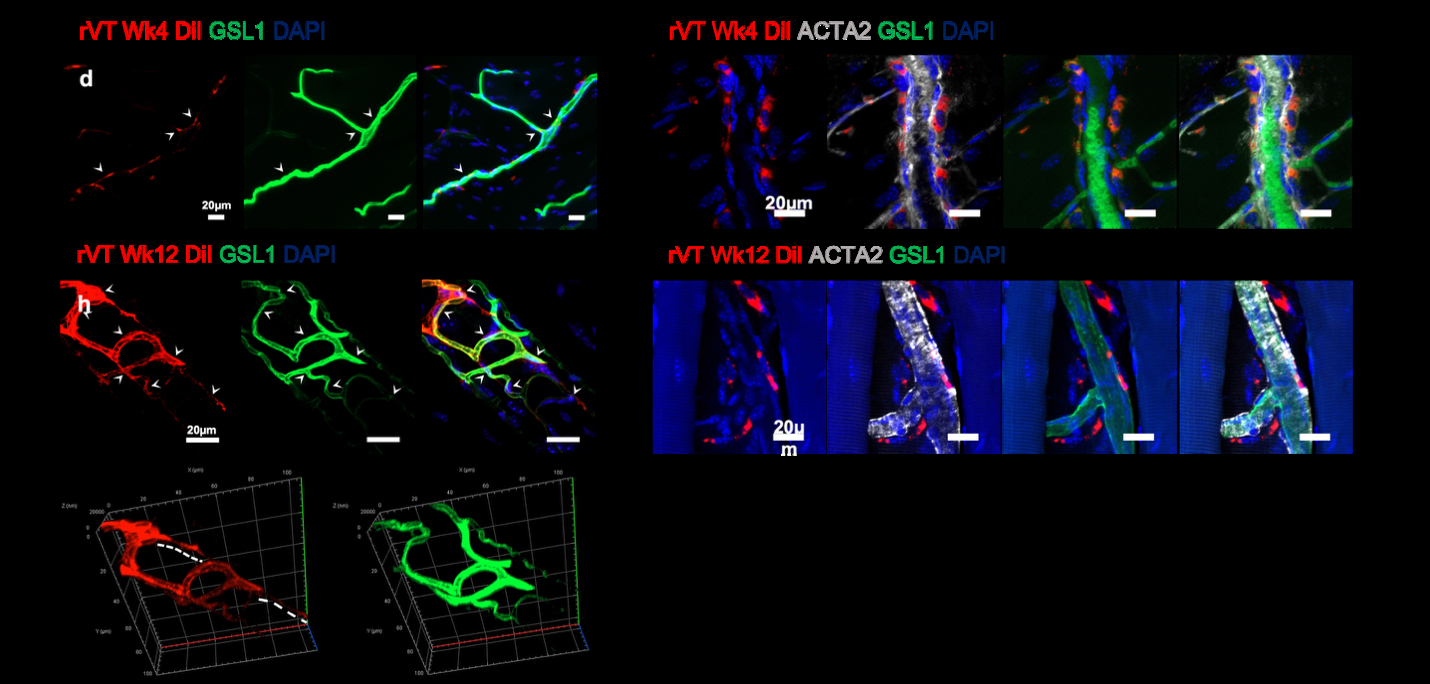
Abstract Body: Rationale: Directly reprogrammed endothelial cells (rECs) generated using the endothelial lineage-specific transcription factor Ets variant 2 (ETV2) show promise for cell therapy in ischemic cardiovascular diseases. However, challenges remain in translating this therapy to clinical practice, such as sourcing accessible cells, ensuring safe gene delivery, and improving cell survival in ischemic tissue. To address these, we developed a direct reprogramming strategy that simultaneously generates vascular tissue-like structure composed of ECs, perivascular cells, and extracellular matrix (ECM) using human urine-derived cells (U-cells) and adenoviral ETV2 (Ad-ETV2). Methods and Results: U-cells from healthy male donors were transduced with Ad-ETV2 and cultured under defined conditions with ascorbic acid to promote ECM deposition and EC-related growth factors to differentiate and maintain reprogrammed phenotypes. By day 10, we observed ECM deposition and were able to collect the cells in a tissue-like form. This directly reprogrammed vascular tissue-like structure (rVT) was composed of approximately 75% KDR-positive and 86% CDH5-positive EC-like cells, with functional endothelial characteristics as evidenced by Ac-LDL uptake and lectin staining. The rVT exhibited a pre-vascularized structure composed of EC-like and mesenchymal stromal-like cells. Transplantation of rVT into ischemic mouse hindlimbs increased blood perfusion, protected tissue, and induced neovascularization through paracrine effects. Transplantation of therapeutic cells in tissue form showed better engraftment compared to injection as individual cells that were accutased or trypsinized prior to injection (reprogrammed vascular cells, rVC). The therapeutic cells migrated into the host tissue and either directly incorporated into lectin-stained vessels or localized perivascularly, acting in a pericyte-like role or within the ACTA2-positive layer of small arterioles. The vasculogenic and arteriogenic properties were sustained for up to 3 months post-transplantation. We conclude: this direct tissue reprogramming strategy offers an advanced clinical option for cardiovascular therapy by simultaneously generating essential cells for neovascularization and biomatrix to enhance cell survival. It also provides a clinically compatible mode of therapy, as all components can be derived from autologous donors, eliminating the need for synthetic biomaterials or complex purification steps.
  • Cho, Seonggeon  ( Emory University , Decatur , Georgia , United States )
  • Author Disclosures:
Meeting Info:

Basic Cardiovascular Sciences 2026

2026

Boston, Massachusetts

Session Info:

Poster Session 2

Tuesday, 07/14/2026 , 04:30PM - 07:00PM

Poster Session and Reception

More abstracts on this topic:
Cardiac Function is Preserved in a Tissue-Engineered Model of LGMD2B

Silkstone Dylan, Khodabukus Alastair, Zhang Wanyu, Bursac Nenad

Cardiac protection of hiPSC-CMs loaded chitosan cardiac patch in myocardial infarcted swine

Zheng Zilong, Li Yichen, Tang Weijie, Chen Wangping, Yang Jinfu, Fan Chengming

You have to be authorized to contact abstract author. Please, Login
Not Available