Climate Change and Cardiovascular Disease: A Systematic Review of Environmental Stressors and Cardiovascular Outcomes
Abstract Body (Do not enter title and authors here): Background Climate change poses a growing threat to global cardiovascular health. Environmental stressors such as rising temperatures, air pollution, and extreme weather events may increase cardiovascular morbidity and mortality. This systematic review synthesizes available evidence linking climate change with cardiovascular outcomes
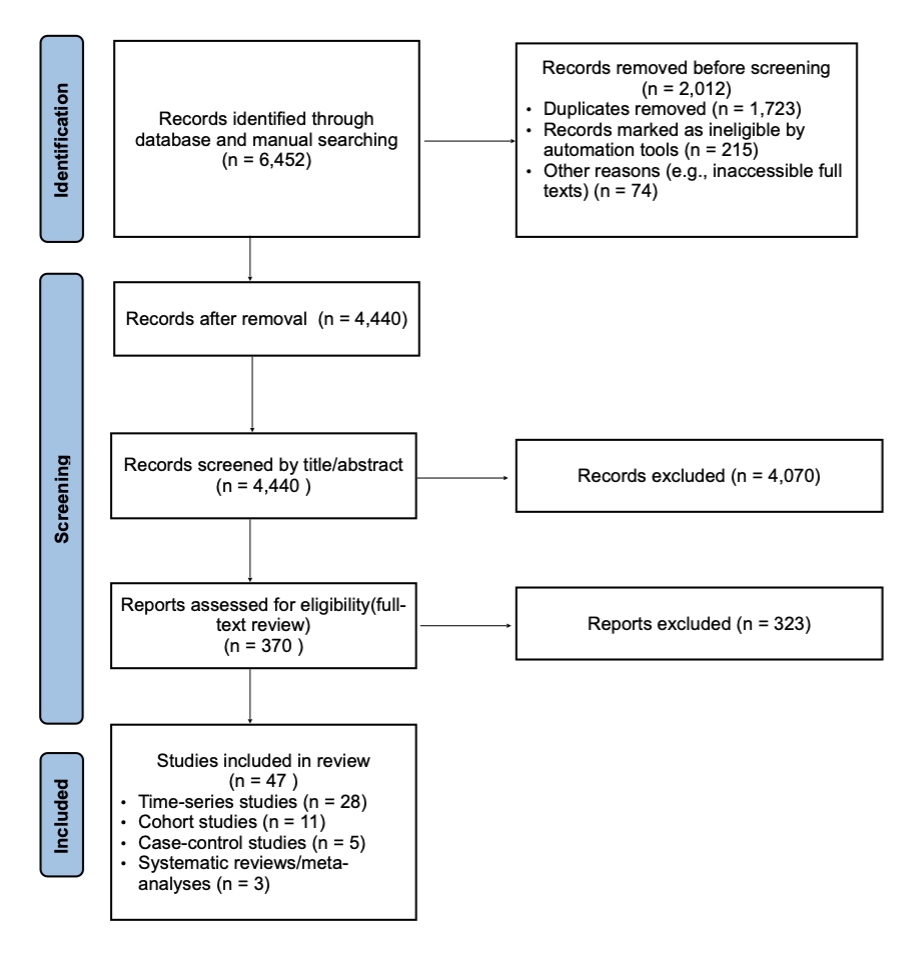
Methods A systematic literature search was conducted using PubMed, Scopus, and Web of Science to identify studies published between January 2000 and May 2025. Studies were eligible if they assessed associations between climate-related exposures—such as heatwaves, temperature variability, air pollution, wildfires, and natural disasters—and outcomes including myocardial infarction, stroke, arrhythmias, heart failure, and cardiovascular mortality. Study screening and quality assessment followed PRISMA guidelines. Observational studies, time-series analyses, and systematic reviews were included
Results Forty-seven studies met inclusion criteria. Exposure to high ambient temperatures and heatwaves was associated with a 3 to 12 percent increase in cardiovascular mortality. Long-term exposure to PM2.5 and nitrogen dioxide was linked to higher risk of myocardial infarction, stroke, and heart failure. Wildfire-related air pollution contributed to acute cardiovascular events. Temperature variability and extreme weather events were associated with increased cardiovascular admissions and adverse outcomes due to thermal stress, inflammation, and healthcare disruption. Older adults and individuals with pre-existing cardiovascular disease were disproportionately affected
Conclusion Climate change increases the global burden of cardiovascular disease through multiple environmental pathways. Public health interventions, adaptation strategies, and mitigation policies are critical to reduce cardiovascular risks associated with a warming climate
Prathiraja, Omesh
(
McLaren Bay Region Hospital
, Essexville , Michigan , United States )
Elhassan, Khalid
(
McLaren
, Saginaw , Michigan , United States )
Jain, Anirudh
(
McLaren Bay Region
, Bay City , Michigan , United States )
Jayasinghe, Maleesha
(
Saint Peter's University Hospital
, New Brunswick , New Jersey , United States )
Author Disclosures:
Omesh Prathiraja:DO NOT have relevant financial relationships
| Khalid Elhassan:DO NOT have relevant financial relationships
| Anirudh Jain:DO NOT have relevant financial relationships
| Maleesha Jayasinghe:No Answer