
Coronary Artery Calcium Scoring Accuracy in Iran: A Meta-Analysis and Systematic Review
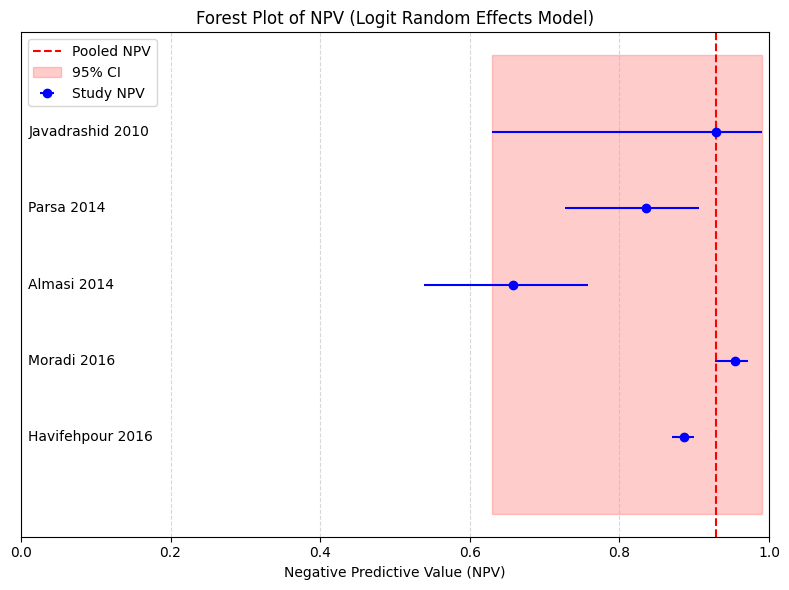
Abstract Body (Do not enter title and authors here): Introduction/Background Coronary artery Calcium Scoring (CACS) has been recognized as a risk predictor of major cardiovascular events in high income countries. However, more research is needed on the applicability of CACS in countries with developing economies. Research Questions/Hypothesis In this meta-analysis, we examine the prevalence of CAC and the diagnostic performance of CACS when compared to conventional or CT coronary angiography in Iran. Methods/Approach The authors searched the PubMed, SCOPUS, and World of Science databases for peer-reviewed studies evaluating populations in Iran between 2010-2025 in accordance with PRISMA guidelines. We examined the relationship between CACS and obstructive (≥50% stenosis) coronary artery disease as diagnosed by CT or conventional coronary angiography. Results/Data A total of 11 studies were included for a total of 7095 patients. Mean age was 57 ± 13.21, 61% male. Risk factors included hypertension (38.8%), hypercholesterolemia (38.7%), smoking, (24.7%) and/or diabetes (23.6%). All studies except one (90.9%) included patients with an intermediate pretest probability of cardiovascular disease. All studies except one (90.9%) used CT scanners with ≥ 64 detector rows. The pooled prevalence of CAC>0 was 56.3% (95% CI 47.9%-64.7%). 3039/7095 patients (43.1%, 95% CI 33.5-52.6) had CACS of 0. When compared to angiography results, of six studies with reported data, 33.5% (95%CI=13.6-53.4) of patients had no coronary artery stenosis. Of five studies reporting data, 50.2% (95%CI=32.3-68) of patients had obstructive coronary artery disease. Using angiography results as the gold standard, the pooled (random-effects model) negative predictive value (NPV) from five studies was 0.929 (95%CI=0.63-0.99). Sensitivity, specificity, and positive predictive value (PPV) were 0.921 (95%CI=0.876-0.966), 0.667 (95%CI=0.566-0.767), and 0.82 (95%CI=0.76-0.881). Overall heterogeneity was high (I2>75%) and study bias was moderate (Newcastle-Ottawa scale score mean 7.18). Conclusion Among patients with at least an intermediate pretest probability of cardiovascular disease in Iran, prevalence of CACS=0 was similar to previously published studies in high income countries. However, pooled NPV was lower while pooled PPV was higher than previously published. Additional research is needed on understanding why pooled NPV and PPV vary from high income countries.
Zhou, Shannon
( University of Utah
, Salt Lake City
, Utah
, United States
)
Kabakus, Ismail
( MUSC
, Mount Pleasant
, South Carolina
, United States
)
Burt, Jeremy
( University of Utah
, Salt Lake City
, Utah
, United States
)
Newman, Anna
( University of Utah
, Salt Lake City
, Utah
, United States
)
Ellesy, Reham
( University of Utah
, Salt Lake City
, Utah
, United States
)