Development of a Multi-Agent System for Cardiovascular Diagnostic
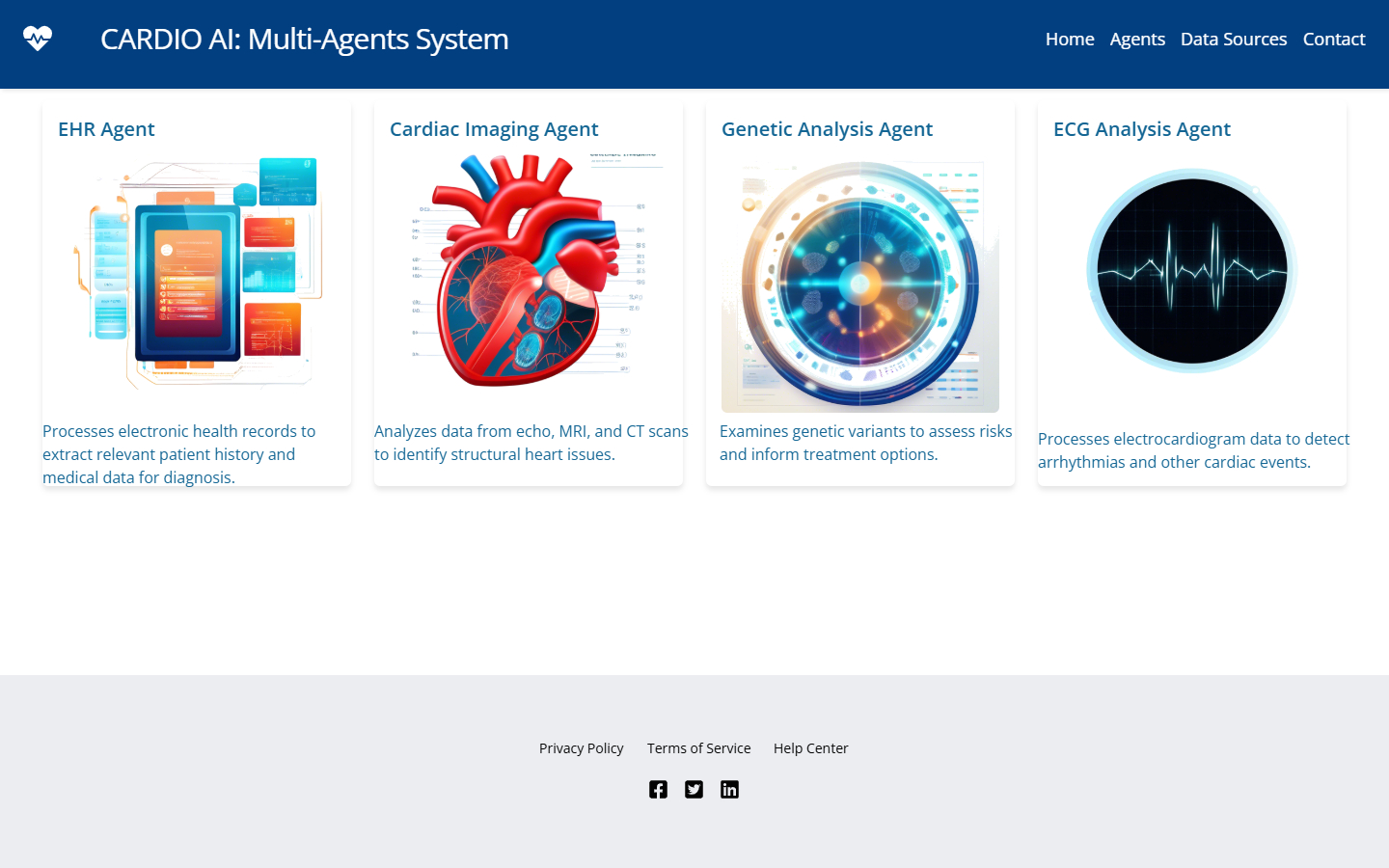
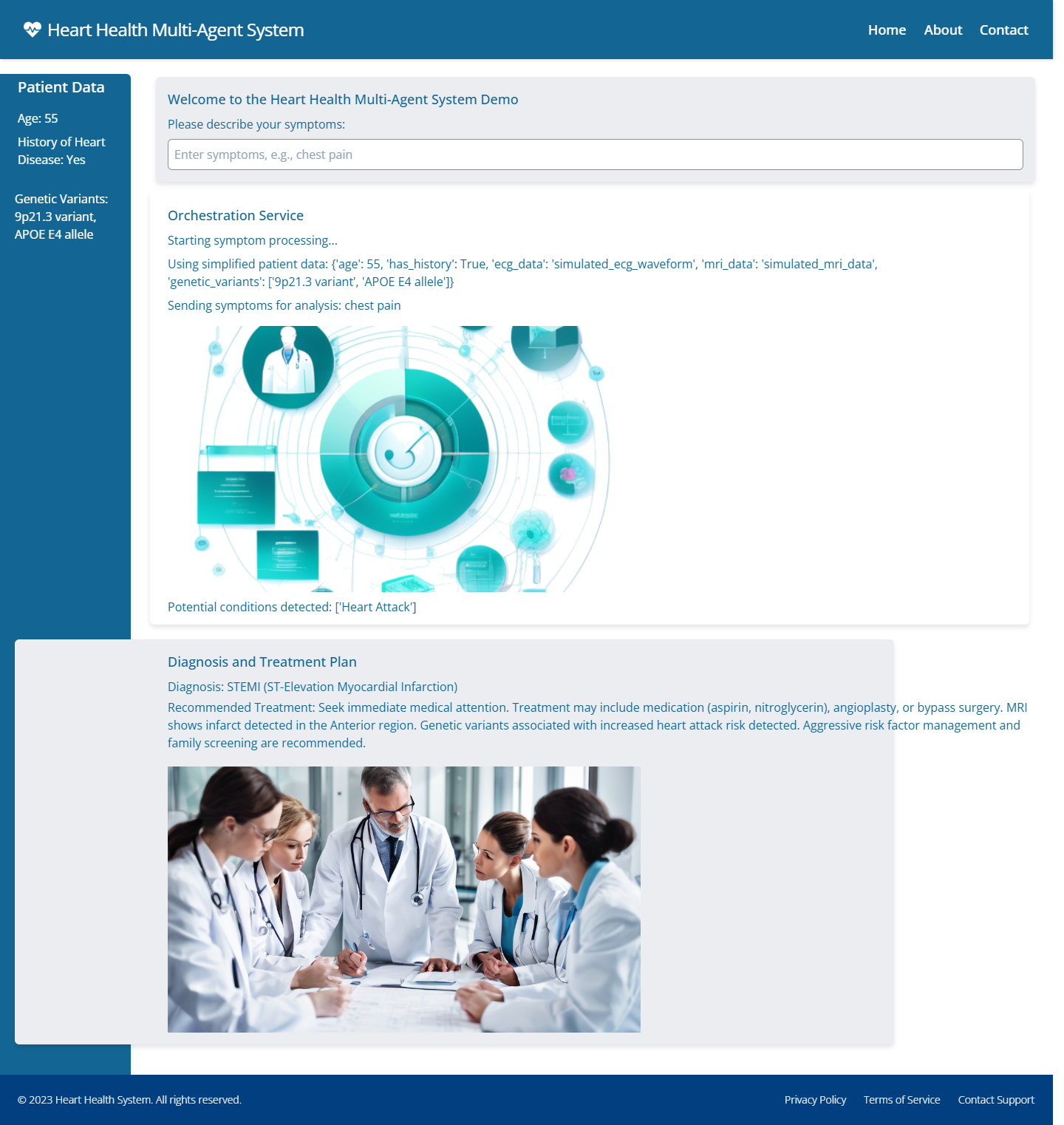
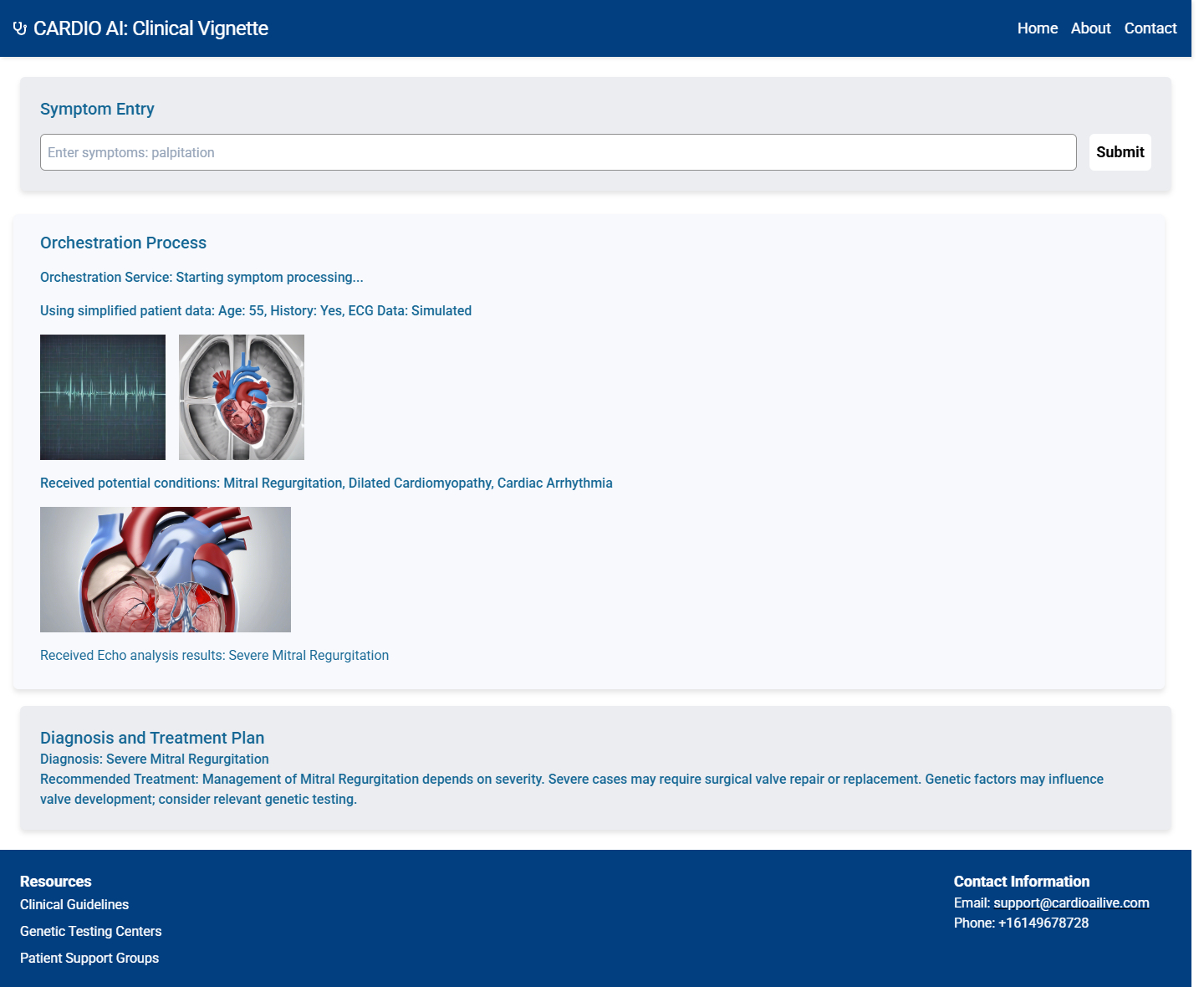
Abstract Body (Do not enter title and authors here): This paper presents a multi-agent AI system designed to provide accurate diagnostic and personalized treatment recommendations for heart attack, heart failure, cardiac arrhythmia, coronary artery disease, and left ventricular hypertrophy. The system tackles the challenges of integrating various data sources, including electronic health records (EHR), cardiac imaging, genetic information, and electrocardiogram (ECG) data, within a unified multi-agent framework for personalized care related to these conditions. A collaborative network of specialized AI agents, such as the EHR Agent, Cardiac Imaging Agent, Genetic Analysis Agent, and ECG Analysis Agent, work in concert to process and analyze this multi data, identifying potential cardiac conditions and risk factors associated with the above-mentioned target indicators. Research Questions/Hypothesis: This study investigates whether a multi-agent AI system can effectively process patient data, including symptoms, genetic information, and test results, to generate potential conditions and diagnoses. We hypothesize that this integrated approach can potentially improve the speed of assessment for accurate and timely diagnosis, provide relevant diagnostic information and personalized treatment recommendation. Methods/Approach: The multi-agent system comprises several specialized agents responsible for tasks such as symptom analysis, diagnosis, and treatment planning. The system is targeted at processing patient data, including symptom descriptions and test results from labs (biomarkers), ECG, echo, MRI and CT scans, along with genetic variants. The symptom analysis agent identifies potential cardiovascular conditions based on input symptoms. The diagnostic agent then integrates information from potential conditions, patient history, and test results to generate a diagnosis. Results/Data: Analysis of simulated data demonstrates that the symptom analysis agent consistently identifies expected potential conditions with high level of speed and accuracy. Recording 1-2 seconds of diagnosis time with precision level of 98% based on simulated data and programmed logic. We’re only reporting metrics based on the internal consistency of the agent's logic and simulated outcomes. Conclusion(s): The developed multi-agent system demonstrates a functional approach to integrating diverse simulated patient data for cardiovascular assessment and potential diagnosis.
Kontomah, Sampson
(
CARDIO AI
, Dublin , Ohio , United States )
Nahar, Tamanna
(
CARDIO AI
, Dublin , Ohio , United States )
Author Disclosures:
Sampson Kontomah:DO NOT have relevant financial relationships
| Tamanna Nahar:No Answer
Jiang Chao, Dong Jianzeng, Cai Jun, Anderson Craig, Du Xin, Tang Yangyang, Han Rong, Song Yanna, Wang Chi, Lin Xiaolei, Yi Yang, Rodgers Anthony, Ma Changsheng