The Gut-Heart Axis: A Systematic Review of Gut Microbiota
Dysbiosis and Atherosclerosis Pathogenesis
Abstract Body (Do not enter title and authors here): Introduction :Atherosclerosis, an immunoinflammatory disease of medium and large arteries, involves endothelial cells, leukocytes, and smooth muscle cells, causing plaque formation and complications like myocardial infarction and strokes. While traditional risk factors such as hypertension, hyperlipidemia, smoking, and diabetes are established, emerging evidence highlights gut microbiota's role in atherosclerosis. Dysbiosis influences lipid metabolism, immune responses, and inflammation through metabolites like TMA and TMAO. This review explores evidence linking gut microbiota dysbiosis to atherosclerosis pathogenesis.
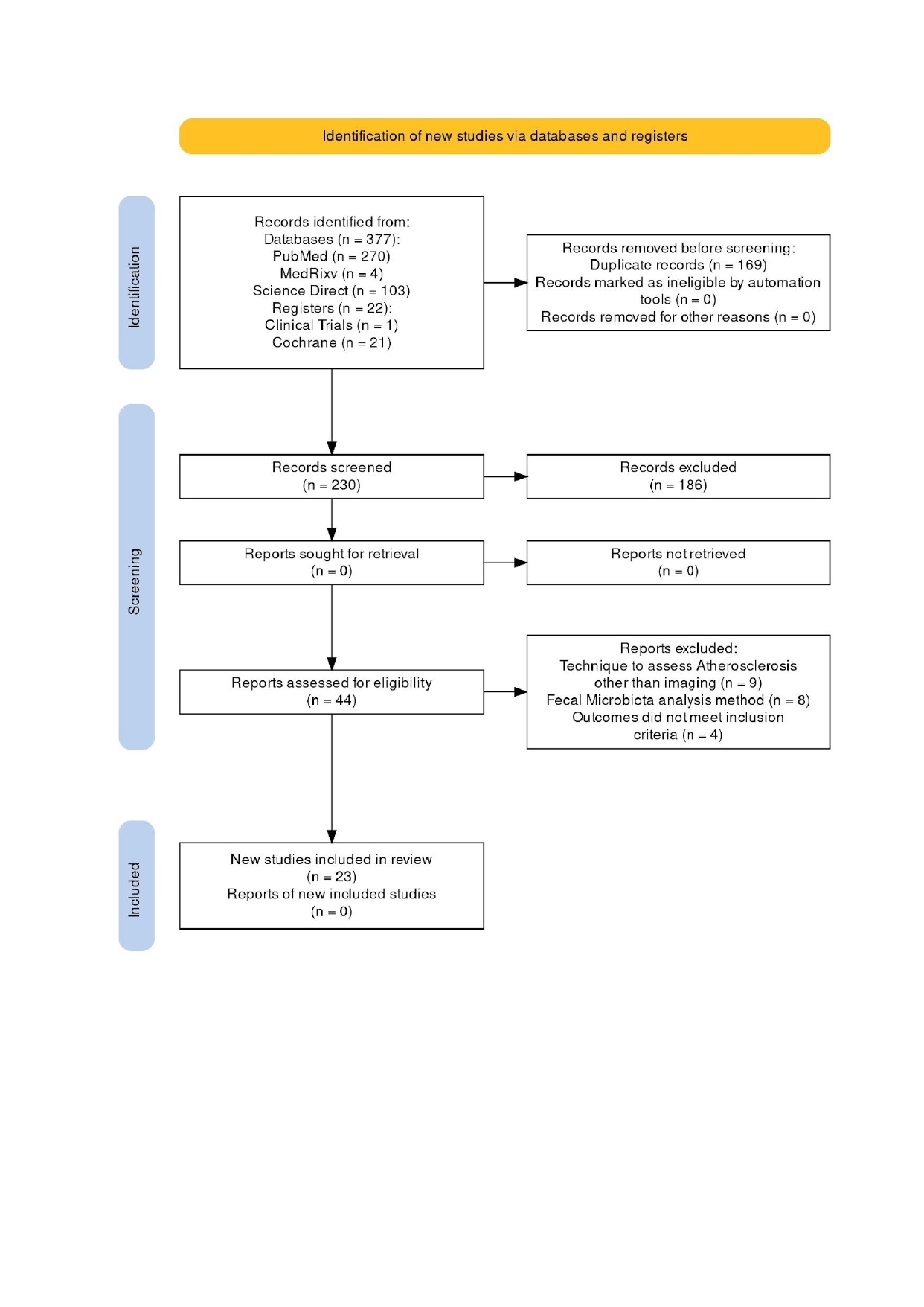
Methods: This systematic review followed PRISMA guidelines. Literature searches used PubMed, medRxiv, ClinicalTrials.gov, ScienceDirect, and Cochrane databases with gut microbiota and atherosclerosis keywords. Final search: May 4, 2023. Studies included human participants, English reports, and CAD diagnosis via coronary imaging, excluding preexisting CAD in controls. Multiple reviewers screened independently. Only peer-reviewed literature included. Results: 23 studies examined gut microbiota, microbial metabolites, and CAD. Most showed dysbiosis correlated with atherosclerotic endpoints. In AMI patients, high gut-microbial scores predicted twofold MACE risk over 3.2 years (HR 2.01; 95% CI 1.04–4.24) with higher fecal acetate/butyrate and lower choline/carnitine versus controls. Lifestyle modification reduced triglycerides 24% after 15 days and MetS prevalence 44.8% after 75 days, with Akkermansia muciniphila enrichment. Elevated TMAO distinguished CHD patients (P < 0.001), highest in multivessel disease (P < 0.001), significant after risk factor adjustment (P = 0.046). High-risk plaques (92.7% lipid-rich, 30.9% TCFA) associated with specific bacterial enrichment. Phenylacetylglutamine independently predicted CAD (OR 1.17; P = 1.9×10^–3). Conclusions: Gut microbiota and metabolites play crucial roles in CAD pathogenesis. Dysbiosis correlates with inflammation, metabolic syndrome, and plaque development. Key metabolites like TMAO present diagnostic and therapeutic targets. Further studies are needed to establish causal relationships and develop microbiome-targeted cardiovascular interventions.
Ashraf, Waqas
(
Queen Hospital Center
, Queen , New York , United States )
Author Disclosures:
usman saeed:DO NOT have relevant financial relationships
| Ibrar Atiq:DO NOT have relevant financial relationships
| Ayesha Ahmad:No Answer
| Ahmad Sheraz:DO NOT have relevant financial relationships
| Waqas Ashraf:No Answer