Electrocardiogram-based Deep Learning to Predict Elevated Natriuretic Peptides at Guideline Thresholds for Heart Failure
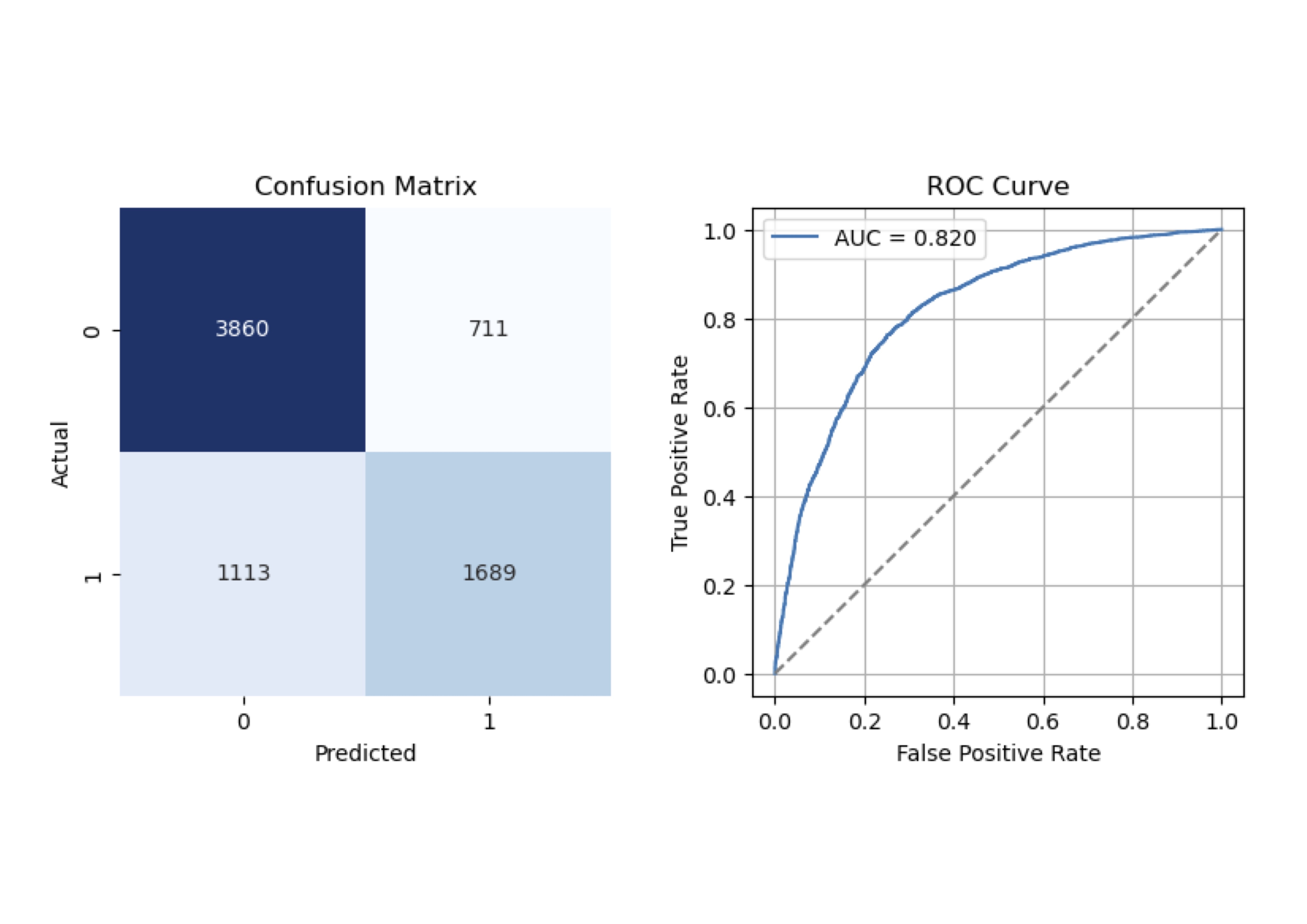
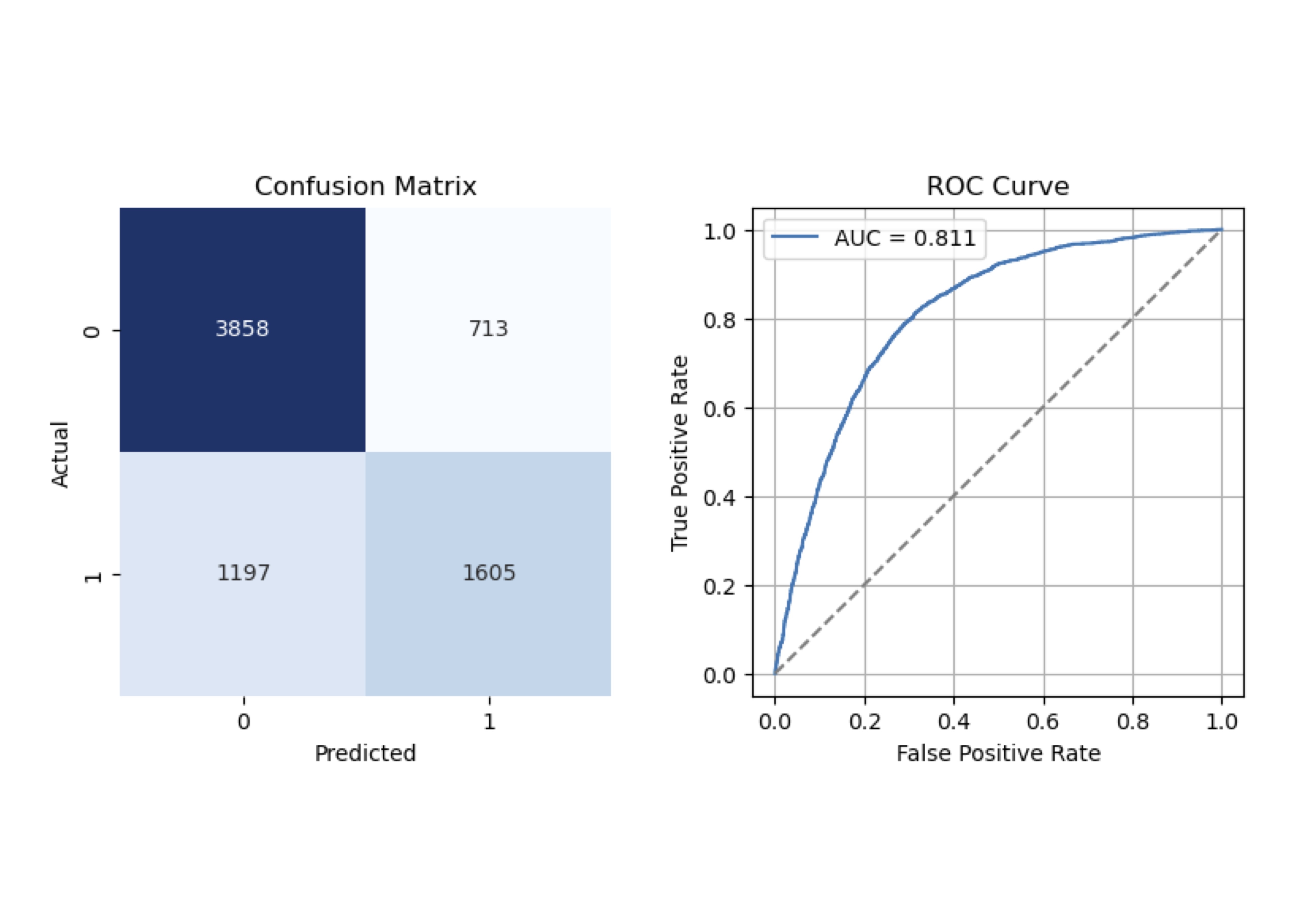
Abstract Body (Do not enter title and authors here): Background: The prevalence of heart failure (HF) is rising, highlighting the need for early detection and intervention. Current Japanese HF guidelines define a B-type natriuretic peptide (BNP) ≥100 pg/mL and a N-terminal pro-B-type natriuretic peptide (NT-proBNP) ≥300 pg/mL as indicators of high HF probability. We developed and validated deep learning models using ECG to predict elevated BNP or NT-proBNP levels based on guideline-recommended cutoffs, thereby facilitating early HF detection. Methods: We developed prediction models for elevated BNP (≥100 pg/mL) and NT-pro BNP (≥300 pg/mL) using a one-dimensional convolutional neural network (1D-CNN). The models used 12-lead ECGs and corresponding same-day BNP or NT-proBNP measurements, along with age and sex. Data were collected from patients (aged ≥18 years) at Kanazawa University Hospital, Japan between January 1, 2010, and December 31, 2023. The dataset was divided into training, internal validation, and testing sets (7:2:1 ratio). The 1D-CNN model was constructed for BNP and NT-proBNP classification. Furthermore, we developed and evaluated models using single-lead ECG data. The primary performance metrics on the test dataset were area under the receiver operating characteristic curve (AUC), accuracy, sensitivity, specificity, and F1 score, reported with 95% confidence intervals (CIs). Results: The BNP and NT-proBNP prediction model included 73719 ECGs from 21806 patients (training, 53296 ECGs in 15700 patients; validation, 13122 ECGs in 3925 patients; testing, 7373 ECGs in 2181 patients). Using 12-lead ECG data, the BNP and NT-proBNP prediction model achieved an AUC of 0.820 (95% CI, 0.809-0.830). With single-lead ECG data, the BNP and NT-proBNP prediction model yielded an AUC of 0.811 (CI, 0.801–0.821), accuracy of 74.1% (CI, 73.2–75.1), sensitivity of 57.3% (CI, 55.5–59.1), specificity of 84.4% (CI, 83.3–85.4), and F1 score of 62.7% (CI, 61.2–64.3). Conclusions: The deep learning models using not only 12-lead ECGs but also single-lead ECGs demonstrated favorable performance in identifying patients with elevated BNP and NT-proBNP on the HF guideline cutoffs. These findings highlight ECG-based deep learning’s potential as a tool for opportunistic screening and early detection of high-risk HF individuals.
Noguchi, Masahiro
(
Kanazawa University
, Kanazawa , Japan )
Tsurimoto, Shota
(
Kanazawa University Hospital
, Kanazawa , Japan )
Takeji, Yasuaki
(
Kanazawa University Hospital
, Kanazawa , Japan )
Shimojima, Masaya
(
KANAZAWA UNIVERSITY
, Kanazawa , Japan )
Sakata, Kenji
(
Kanazawa University
, Kanazawa , Japan )
Usui, Soichiro
(
UNIV KANAZAWA
, Kanazawa , Japan )
Takamura, Masayuki
(
Kanazawa University Hospital
, Kanazawa , Japan )
Nomura, Akihiro
(
Kanazawa University
, Kanazawa , Japan )
Author Disclosures:
Masahiro Noguchi:DO NOT have relevant financial relationships
| Shota Tsurimoto:DO NOT have relevant financial relationships
| Yasuaki Takeji:No Answer
| Masaya Shimojima:No Answer
| Kenji Sakata:DO NOT have relevant financial relationships
| Soichiro Usui:DO NOT have relevant financial relationships
| Masayuki Takamura:DO NOT have relevant financial relationships
| Akihiro Nomura:No Answer