Standard Modifiable Risk Factors and Severity of Coronary Artery Disease in Very Young Patients with Myocardial Infarction
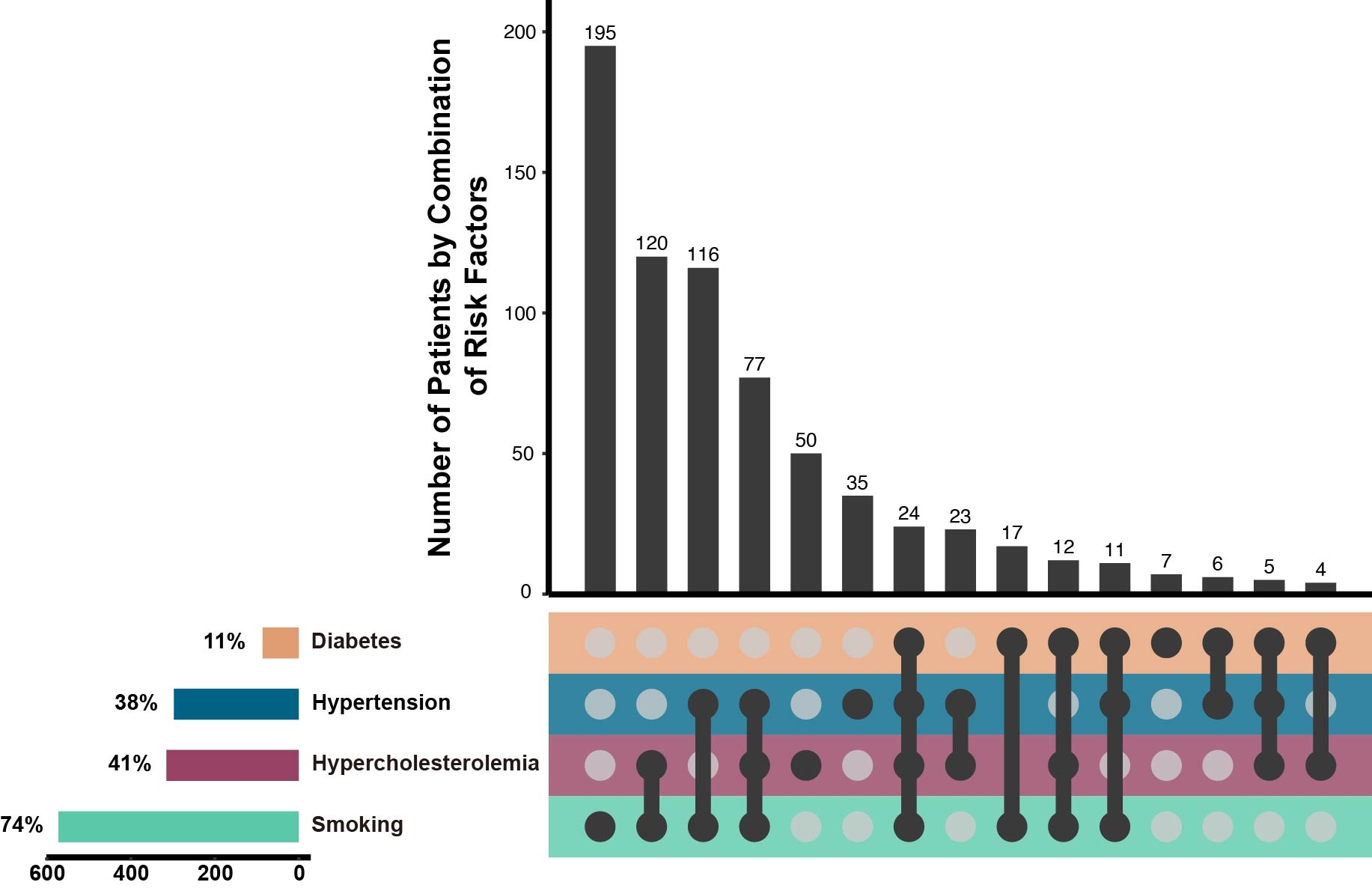
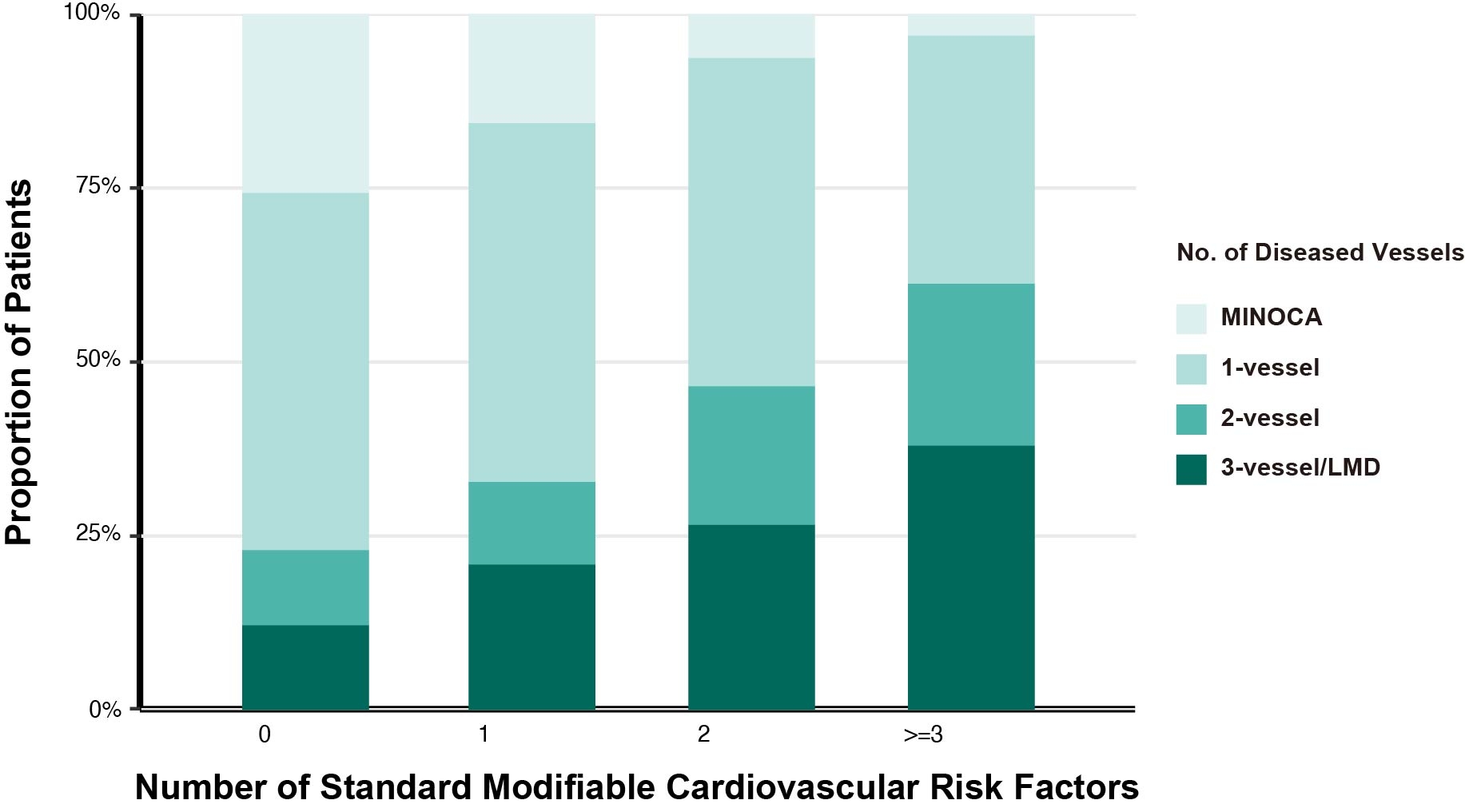
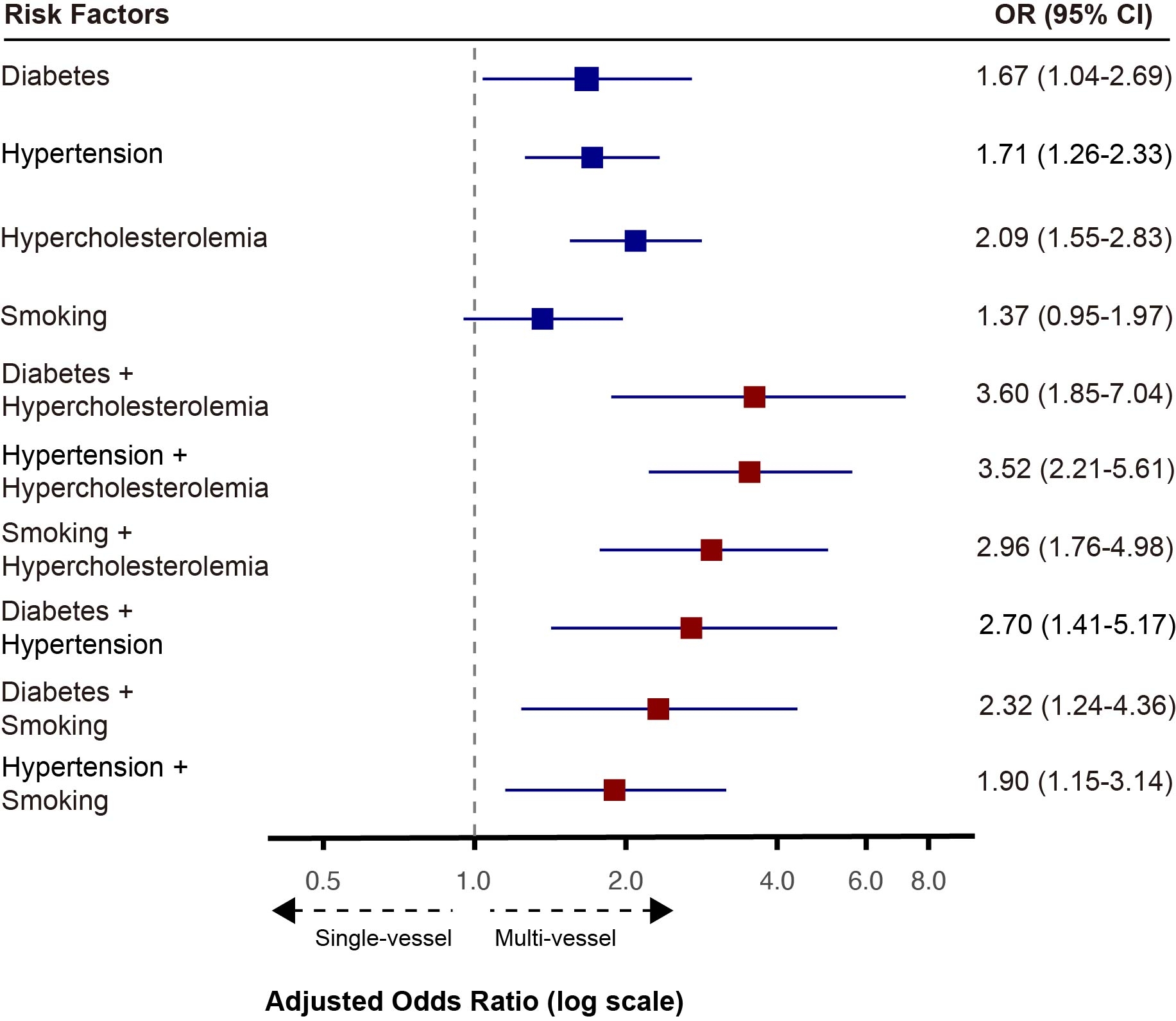
Abstract Body (Do not enter title and authors here): Introduction Myocardial infarction (MI) in individuals ≤35 years is poorly characterized. The prevalence of standard modifiable cardiovascular risk factors (SMuRFs) and their impact on coronary artery disease (CAD) burden in this population remain unknown. Research Questions To profile SMuRFs in MI patients ≤35 years and assess their association with angiographic CAD severity and clinical outcomes. Methods In this retrospective, two-center cohort study, we included MI patients aged ≤35 years, admitted to Beijing Anzhen Hospital and Peking Union Medical College Hospital, Beijing, China, between December 2011 and December 2021. SMuRFs (hypertension, diabetes, hypercholesterolemia, smoking) were documented. CAD severity was defined by the count of epicardial vessels with ≥50% stenosis. Major adverse cardiovascular and cerebrovascular events (MACCE) comprised all-cause death, recurrent MI, ischemia-driven revascularization, and ischemic stroke. Results Among 776 patients (median age 33 years [IQR, 30-34]; 94% male), only 74 (10%) had no SMuRFs, and 415 (54%) had ≥2 SMuRFs. Angiographic findings included non-obstructive MI in 86 (11%), single-vessel disease in 367 (47%), two-vessel disease in 129 (17%), and three-vessel disease in 194 (25%). Each additional SMuRF was associated with 1.66-fold higher odds of more extensive involvement (95% CI, 1.43-1.94). Diabetes (adjusted OR, 1.67 [95% CI, 1.04-2.69]), hypercholesterolemia (adjusted OR, 2.09 [95% CI, 1.55-2.83]), and hypertension (adjusted OR, 1.71 [95% CI, 1.26-2.33]) were independently associated with multi-vessel diseases, whereas smoking was not. Over a median 5.6-year follow-up (IQR: 3.6-8.0), 174 (22.4%) experienced MACCE. Incidence was higher in patients with ≥3 SMuRFs (6.78 events per 100 person-years; 95% CI, 4.98-9.01) versus those with 0-2 SMuRFs (3.30-3.40 events per 100 person-years; pairwise log-rank tests, all P<0.05). This association was not significant in non-ST-segment elevation MI. Conclusions Very young MI patients carried a high burden of SMuRFs, associated with greater CAD severity and worse long-term outcomes. Targeted prevention strategies are warranted in this population.
Tang, Siqi
(
Peking Union Medical College Hospit
, Beijing , China )
Zhao, Xinlong
(
Peking Union Medical College Hospit
, Beijing , China )
Fan, Zhongjie
(
Peking Union Medical College Hospit
, Beijing , China )
Author Disclosures:
Siqi Tang:DO NOT have relevant financial relationships
| Xinlong Zhao:DO NOT have relevant financial relationships
| Zhongjie Fan:No Answer