Logo

American Heart Association

  19
  0


Final ID: Mo3134

COVID-induced TNF receptor-associated periodic syndrome: a case of refractory microvascular angina resolved with anti-interleukin-1 therapy by multimodality imaging

Abstract Body (Do not enter title and authors here): Background: Tumor necrosis factor (TNF) receptor-associated periodic syndrome (TRAPS) is a rare autoinflammatory condition associated with recurrent episodes of fever, chest pain, and serositis responsive to anti-inflammatory therapies. We present a case of COVID-induced TRAPS with clinical and radiographic resolution of coronary microvascular dysfunction (CMD) from anti-interleukin-1 (IL-1) treatment.
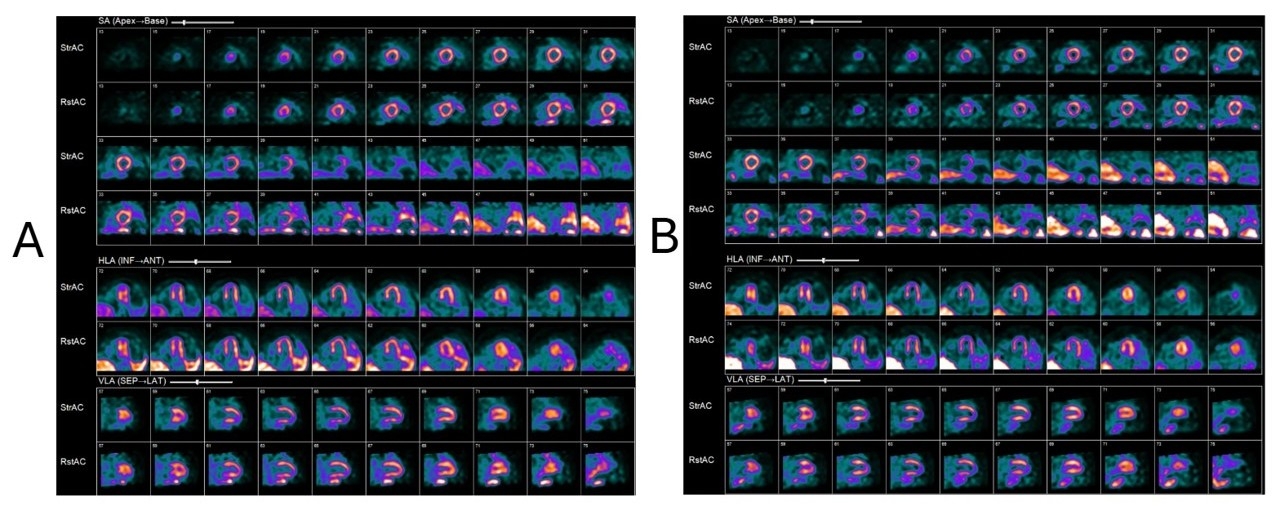
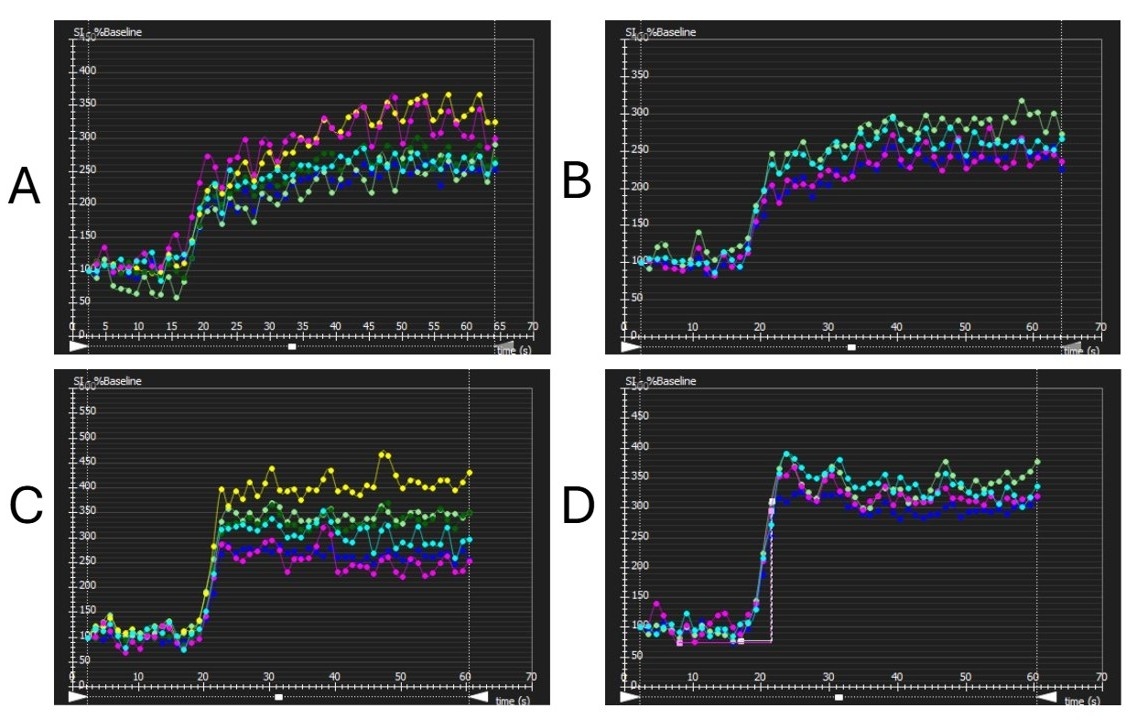
Case: A previously healthy 40-year-old male marathon runner developed COVID infection in 2022 followed by recurrent episodes of fevers, myalgias, and arthralgias. In March 2023, rheumatology diagnosed him with an unspecified autoinflammatory disorder due to elevated inflammatory markers with a negative infectious and autoimmune workup. He had mild relief with prednisone and hydroxychloroquine but then developed dyspnea and chest pain in July 2023. Echocardiogram showed a newly reduced ejection fraction to 35-40%. Stress cardiac magnetic resonance imaging (cMRI) revealed a localized perfusion defect concerning for ischemia with globally abnormal stress perfusion curves suggestive of multivessel obstructive epicardial diseases versus CMD. Coronary angiogram revealed only luminal irregularities. Cardiac positron emission tomography (cPET) findings were consistent with CMD. Given the patient's refractoriness to antianginal and anti-inflammatory therapies with TRAPS phenotype, he was initiated on anakinra, an IL-1 receptor antagonist. His angina resolved within 1 month, as well as normalization of myocardial perfusion on cPET and cMRI at 3 and 4 months, respectively.
Discussion: Due to the patient’s angina and new cardiomyopathy in the setting of a prior viral infection, a stress cMRI was pursued to evaluate for inflammatory and ischemic etiologies; findings were concerning for ischemia. cPET raised the likelihood of CMD given the absence of obstructive disease on the coronary angiogram. The patient met clinical criteria for TRAPS, likely triggered by COVID infection, with angina refractory to standard medical therapy, so he was trialed on anakinra with remarkable clinical response and radiographic evidence of CMD resolution.
Conclusion: TRAPS is due to an enhanced inflammatory response that can be triggered by viral infections, but, to date, no known cases have been reported of COVID-induced TRAPS in adults. TRAPS can cause chronic inflammation that predisposes individuals to CMD with resultant angina, which can be treated by targeting the systemic inflammation.
  • Chang, Alyssa  ( UPMC HVI , Pittsburgh , Pennsylvania , United States )
  • Levenson, Joshua  ( Shadyside Medical Building , Pittsburgh , Pennsylvania , United States )
  • Author Disclosures:
    Alyssa Chang: DO NOT have relevant financial relationships | Joshua Levenson: DO NOT have relevant financial relationships
Meeting Info:

Scientific Sessions 2025

2025

New Orleans, Louisiana

Session Info:

Vascular Cases and Unique Scientific Inquiries

Monday, 11/10/2025 , 01:00PM - 02:00PM

Abstract Poster Board Session

More abstracts on this topic:
A Novel Role for Lipoprotein(a) in Potentiating Neutrophil Extracellular Trap Formation

Mouawad Sahar, Boffa Michael, Koschinsky Marlys

A Shocking Postpartum Course

Wozniak Phillip, Grodzinsky Anna

More abstracts from these authors:
Curbing Anthracycline Toxicity (CON): Dexrazoxane is Not for Everyone

Yu Anthony, Levenson Joshua, Kondapalli Lavanya, Dent Susan

You have to be authorized to contact abstract author. Please, Login
Not Available