
Logo

American Heart Association

  23
  0


Final ID: MP1391

When Cardiac Hypertrophy Masks Fabry Disease: A Pathological and Genetic Diagnostic Challenge

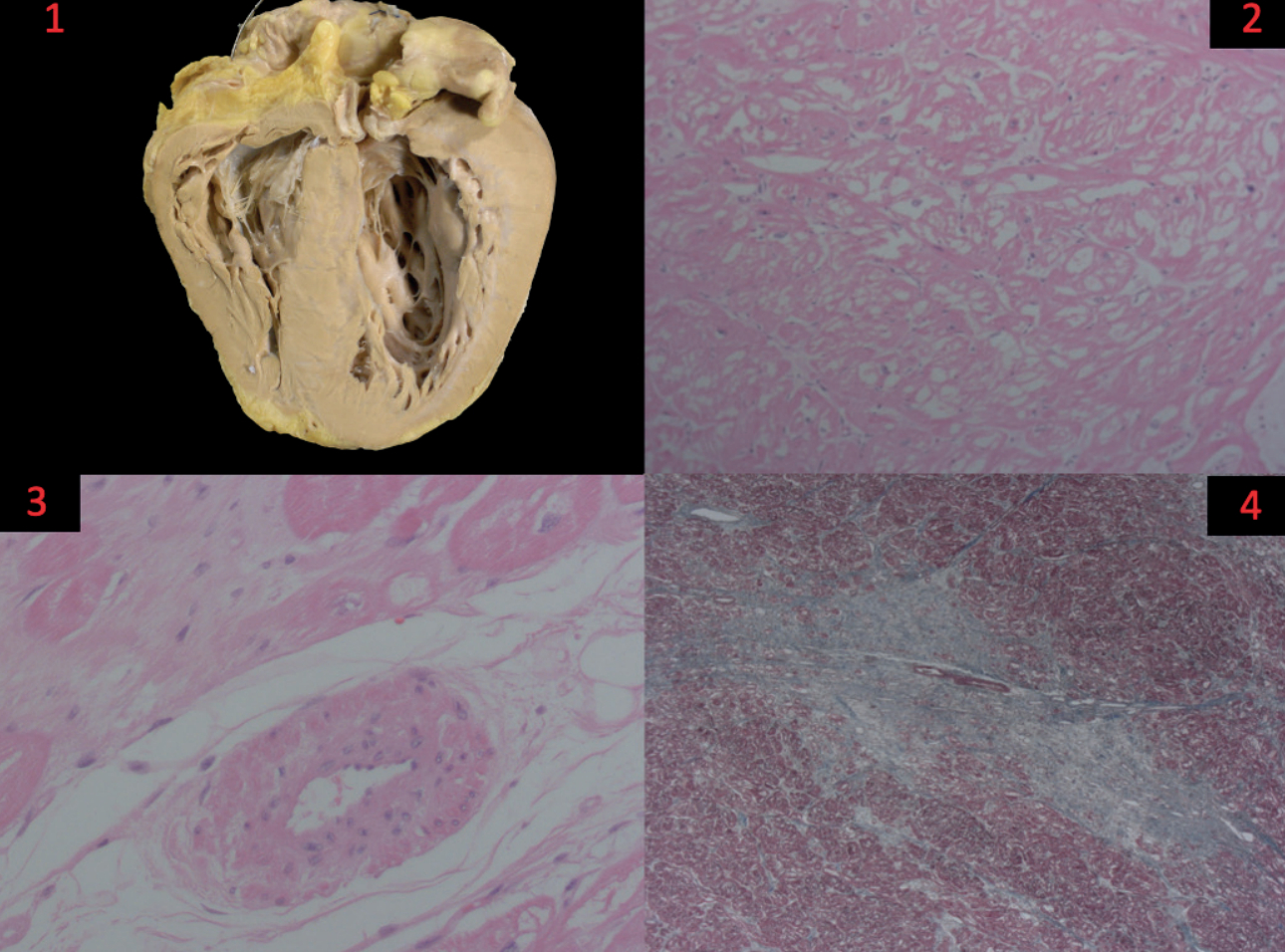
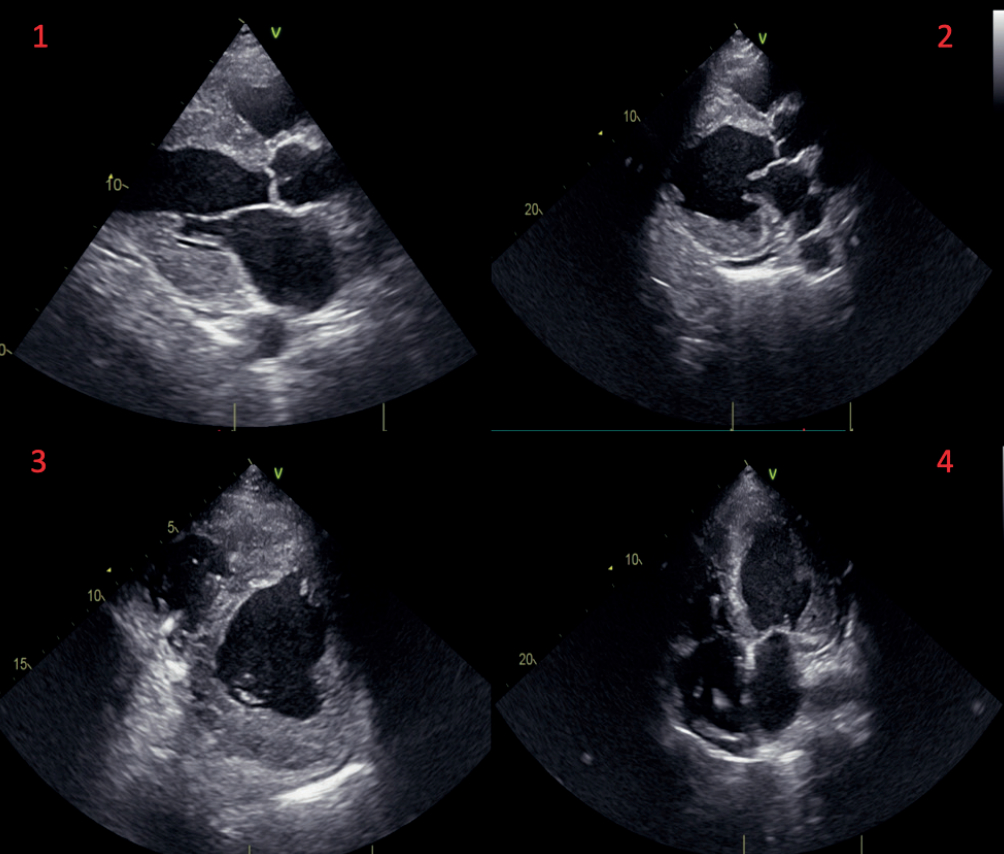
Abstract Body (Do not enter title and authors here): Introduction: Fabry disease (FD), an X-linked lysosomal storage disorder, is caused by mutations in the GLA gene, leading to deficient alpha-galactosidase A activity and subsequent accumulation of glycosphingolipids in various organs. The cardiac manifestations can closely resemble those of hypertrophic cardiomyopathy (HCM), making it a diagnostic challenge, particularly when presenting without the hallmark systemic symptoms of FD, such as pain crises or skin lesions. Case Report: A 64-year-old male with a history of decompensated heart failure was initially diagnosed with HCM after presenting with severe concentric left ventricular hypertrophy and a reduced ejection fraction (25%). Despite undergoing cardiac resynchronization therapy, the patient's condition continued to deteriorate, ultimately leading to the need for heart transplantation. In the post-transplantation phase, a first-degree relative was diagnosed with Fabry disease. This prompted a reconsideration of the diagnosis. Enzymatic analysis of the explanted heart tissue revealed a significant reduction in alpha-galactosidase A activity (0.28 µmol/L/h; reference >1.68), and genetic testing confirmed a pathogenic variant (p.N215S) in the GLA gene. Histopathological examination of the explanted heart demonstrated glycosphingolipid deposition, characteristic of Fabry disease. Discussion: The initial diagnosis of HCM was complicated by the absence of classic systemic symptoms of Fabry disease. Histopathological findings of glycosphingolipid accumulation in the myocardium confirmed the diagnosis, shedding light on the overlap between HCM and Fabry disease. This case illustrates that, while enzyme replacement therapy (ERT) can help manage Fabry disease, the key to improving outcomes lies in early detection. Unfortunately, by the time the diagnosis was made in this case, the patient’s disease had progressed to end-stage heart failure, highlighting the crucial need for awareness and early diagnosis. Conclusion: This case emphasizes the diagnostic importance of considering FD in patients with unexplained hypertrophic cardiomyopathy or progressive heart failure. Family history, along with advanced diagnostic tools like genetic testing and enzymatic analysis, should guide clinicians to reconsider initial diagnoses. Early identification could significantly alter the management course, optimizing the benefits of enzyme replacement therapy and preventing the progression to advanced heart failure.
  • Da Nobrega Borges, Jose Victor  ( Florida International University/Baptist Health South Florida , Miami , Florida , United States )
  • Abdel, Samira  ( Hospital Israelita Albert Einstein , Sao paulo , Brazil )
  • Machado, Manuella  ( Clinica Central de Diagnostico , Vilhena , Brazil )
  • Author Disclosures:
    Jose Victor da Nobrega Borges: DO NOT have relevant financial relationships | Samira Abdel: No Answer | Manuella Machado: No Answer
Meeting Info:

Scientific Sessions 2025

2025

New Orleans, Louisiana

Session Info:

Clinical Case: Heart Failure and Cardiomyopathy

Sunday, 11/09/2025 , 11:50AM - 01:05PM

Moderated Digital Poster Session

More abstracts on this topic:
A human cardiomyocyte model of CD36 haploinsufficiency uncovers fatty acid oxidation deficits driving dilated cardiomyopathy

Al Sayed Zeina, Klattenhoff Carla, Aragam Krishna, Ellinor Patrick, Willcox Jon, Zheng Alice, Koledova Vera, Srivastava Salil, Yin Xiaofei, Chaffin Mark, Rigaud Vagner, Kovacs-bogdan Erika

A Case of Concomitant Wild-Type Transthyretin and Systemic Light Chain Amyloidosis Involving Separate Organs

Chiu Leonard, Afrough Aimaz, Nadeem Urooba, Jebakumar Deborah, Grodin Justin

More abstracts from these authors:
You have to be authorized to contact abstract author. Please, Login
Not Available