
Carotid Inflow Obstruction From Ascending Aortic Dissection Presenting as Large Vessel Stroke After Cardiac Surgery
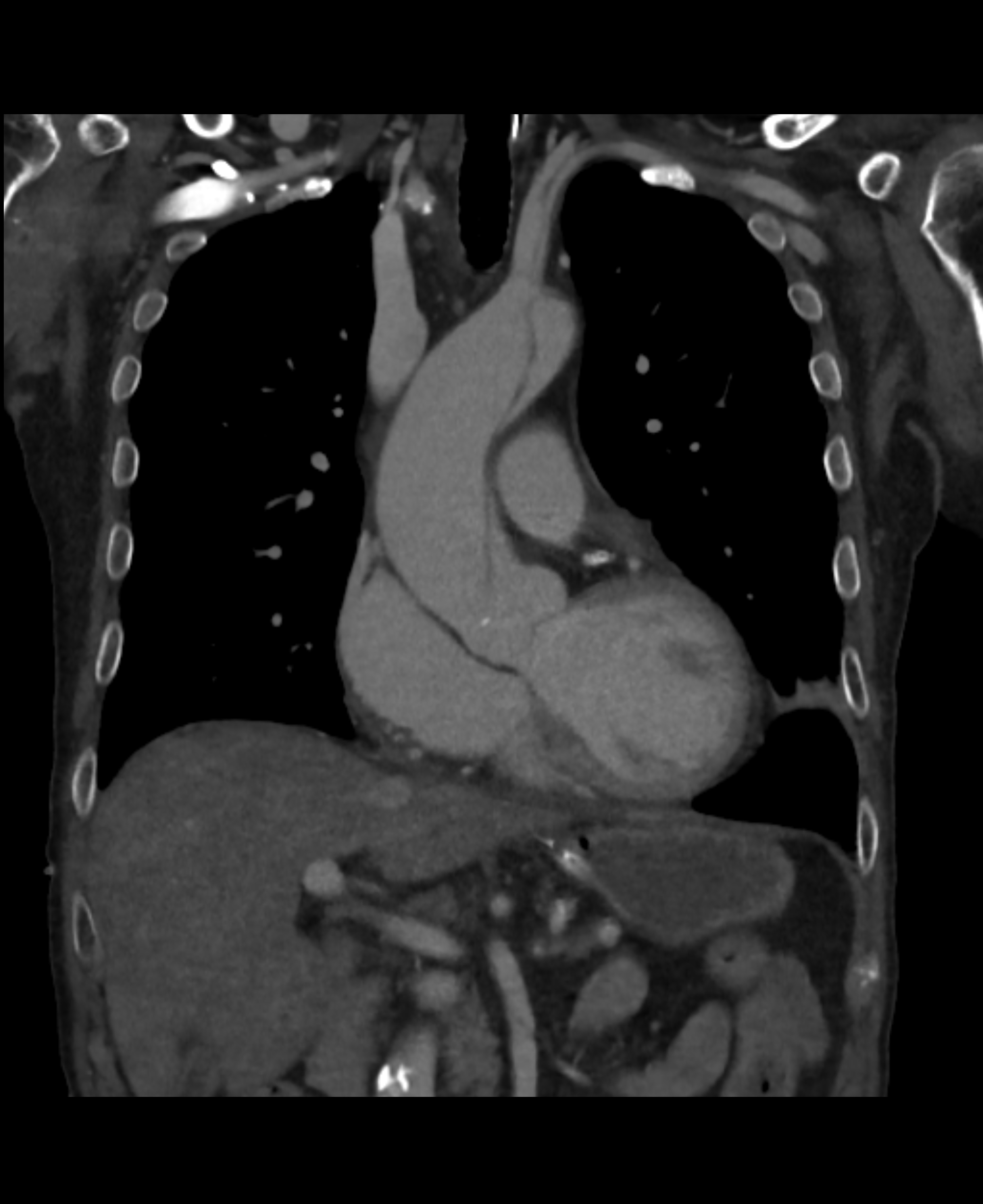
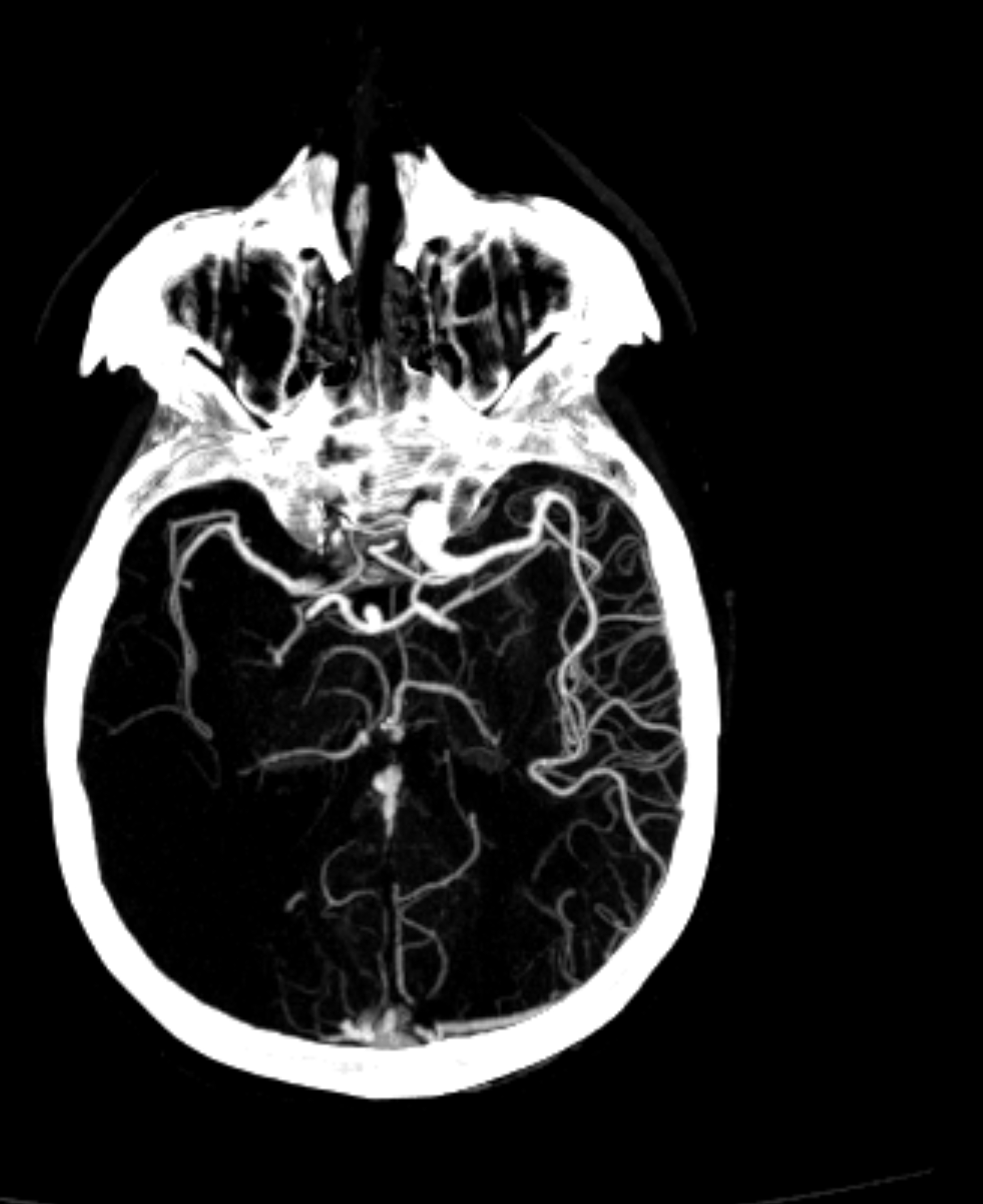
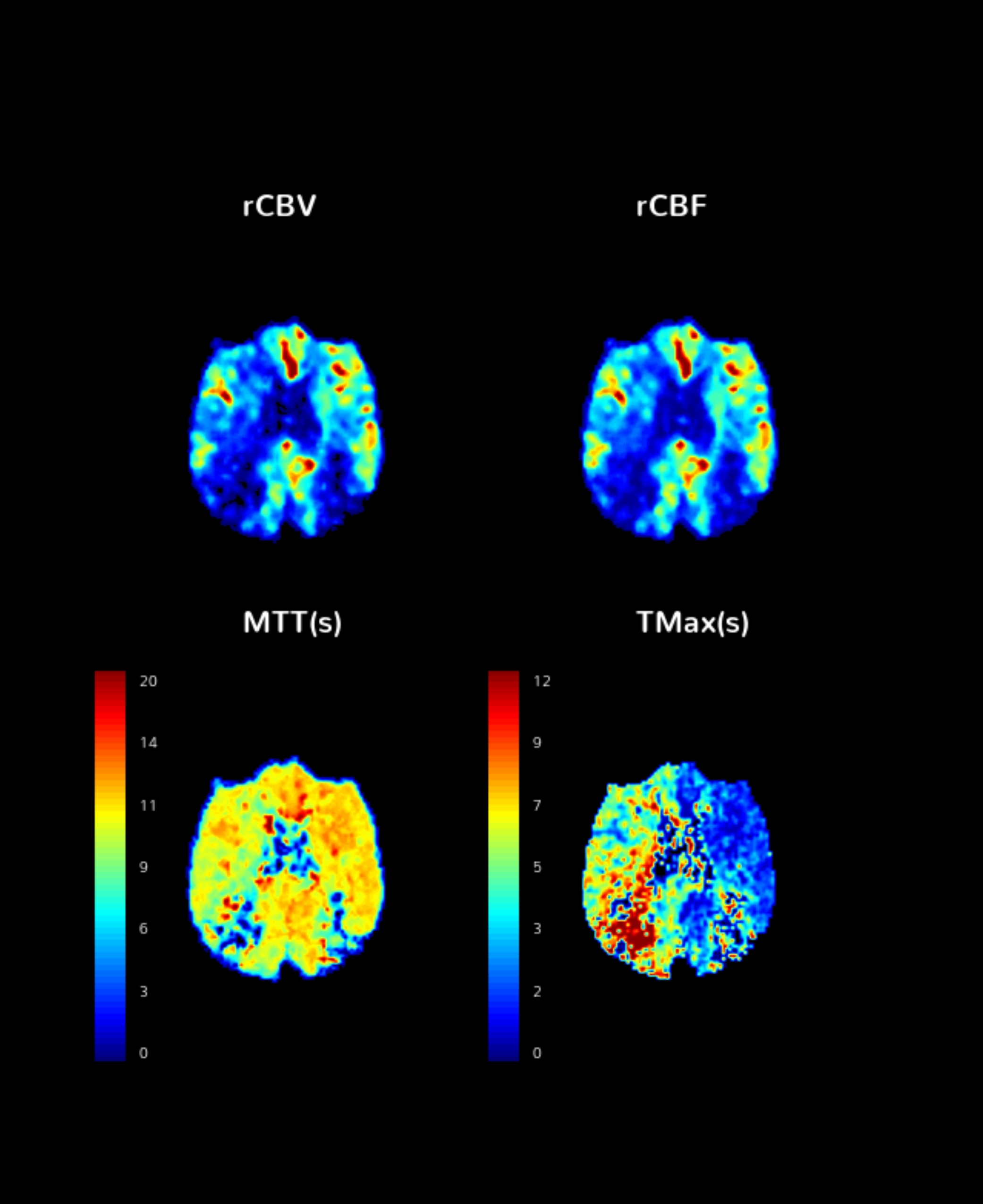
Abstract Body: Introduction: Acute ascending aortic dissection can compromise cerebral blood flow when the dissection flap extends into the supra-aortic vessels. When this occurs after recent cardiac surgery, clinical recognition may be delayed because neurologic deficits may be initially attributed to perioperative recovery. We assessed the hypothesis that extensive supra-aortic extension of a type A dissection can cause profound hemispheric hypoperfusion even in the presence of minimal early ischemic changes on CT. Methods: We review a case of a 76-year-old man who had undergone mitral valve replacement and coronary artery bypass five days prior to presentation. The patient was found unresponsive with left-sided weakness and was transported by air as a suspected stroke. CT, CTA of the head and neck, and CTP were obtained emergently. Multimodal imaging correlation was performed to assess vascular anatomy and cerebral perfusion. Results: CTA demonstrated an acute ascending aortic dissection extending from the aortic root through the arch with partial dissection of the left common carotid artery and complete occlusion of the right internal carotid artery. Distal right middle cerebral artery and posterior cerebral artery branches showed minimal opacification, while anterior communicating artery cross-flow preserved supply to the right anterior cerebral artery. CTP demonstrated markedly prolonged maximum and mean transit time in the right hemisphere with reduced cerebral blood flow and relatively preserved cerebral blood volume, consistent with a large ischemic penumbra. The severity of supra-aortic inflow obstruction and global cerebral hypoperfusion made surgical repair nonviable. Goals of care discussions were held, and life-sustaining treatment was withdrawn. Conclusion: This case demonstrates that acute ascending aortic dissection may present as a large vessel ischemic stroke, particularly shortly after cardiac surgery. Recognition requires a high index of suspicion and immediate vascular imaging. CTA and CTP were essential in identifying carotid inflow obstruction and defining cerebral viability. Early differentiation from primary thromboembolic stroke is critical because standard stroke interventions, including thrombolysis and mechanical thrombectomy, may be harmful or futile in the setting of ongoing aortic rupture risk. Rapid multidisciplinary evaluation remains central to management with the addition of health care proxy directed decision making.
Lovasz, Daniel
(
Texas Tech Health Science Center Paul L Foster School of Medicine
, El Paso , Texas , United States )
Kan, Brian
(
Texas Tech Health Science Center Paul L Foster School of Medicine
, El Paso , Texas , United States )
Sandoval, Hugo
(
Texas Tech Health Science Center El Paso
, El Paso , Texas , United States )
Rodriguez Orozco, Alejandro
(
Texas Tech Health Science Center El Paso
, El Paso , Texas , United States )
Author Disclosures:
Daniel Lovasz:DO NOT have relevant financial relationships
| Brian Kan:No Answer
| Hugo Sandoval:DO NOT have relevant financial relationships
| Alejandro Rodriguez Orozco:DO NOT have relevant financial relationships