
Co-Designing An Evidence-Based Educational Support Package For Blood Pressure Management
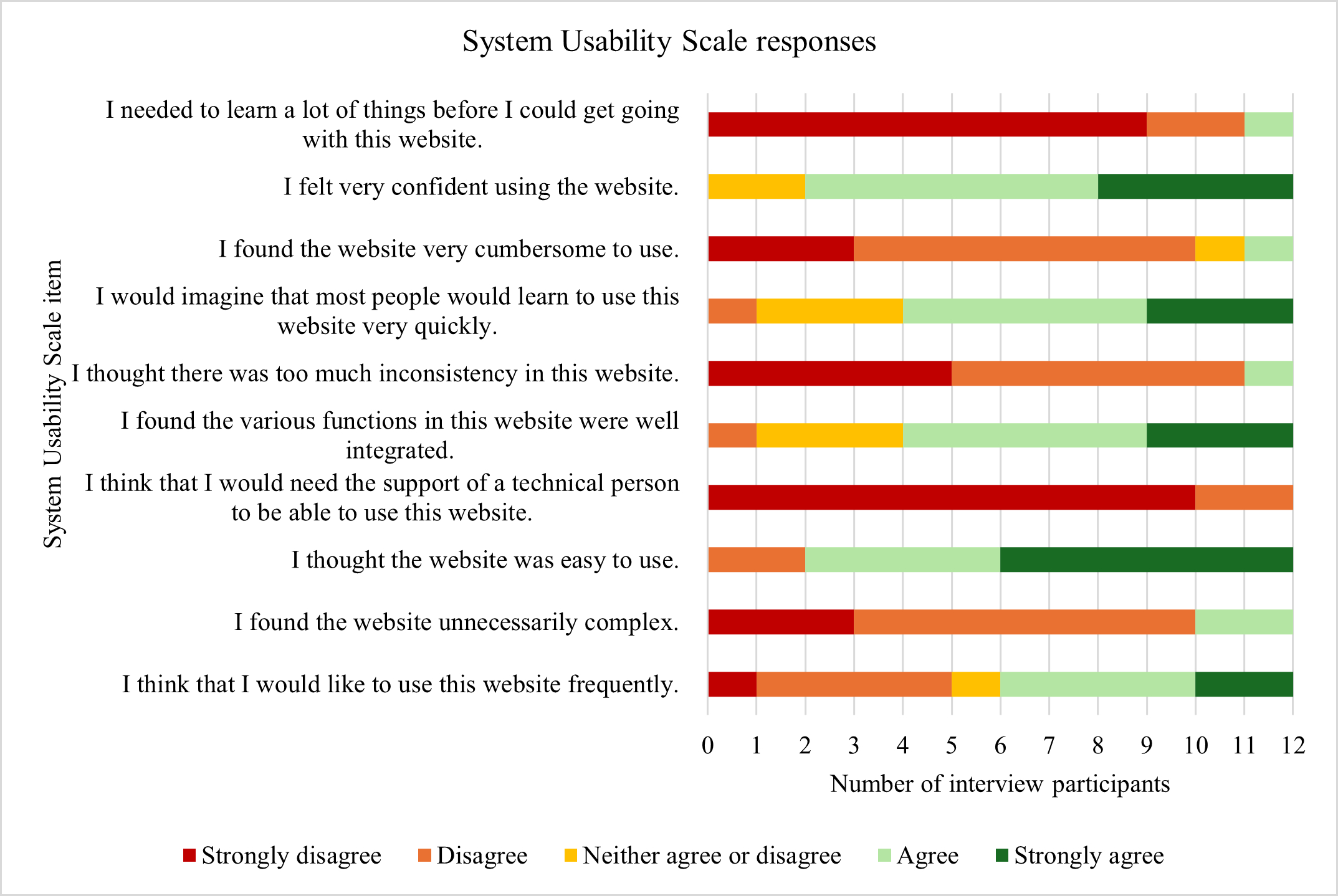
Abstract Body: Introduction. Patient education increases patient engagement and blood pressure (BP) control. Patient education materials should provide evidence-based information in plain language (≤grade 8 reading level) that is actionable for most patients. However, few patient education materials for BP management meet these standards. This study aimed to develop an evidence-based educational package to support patient education for BP management. Hypothesis. An evidence-based, usable education package will be developed using best practice co-design. Methods. Co-design study using the Agency for Clinical Innovation Redesign model according to four steps (May 2024-Apr 2025). First, ideation and initiation involved formative research to identify the problem and consult consumer advisors (n=2). Second, evidence-based content was prepared by extracting recommendations for BP management from 23 guidelines and converting them to plain language statements using a health literacy editor. Content was reviewed by expert researchers and health practitioners (n=13), and consumer advisors (n=6) via head-to-head comparison for agreement between guideline recommendations and plain language statements. Third, concept development occurred via workshops (n=3) with adults who manage BP (n=21) to determine information presentation and delivery preferences. Last, interviews were undertaken with adults who manage BP (n=12) using think-aloud feedback and the System Usability Scale (SUS) to evaluate pilot content. Results. Of the 151 recommendations extracted (mean grade reading level=14.4, range=3.1–26), 89 were converted to plain language statements (mean grade reading level=6.4, range=3.1-10.1). Recommendations that duplicated in meaning or gave excessive detail for a layperson audience were excluded. External reviewers supported agreement between original recommendations and plain language statements but suggested including information about co-morbidities. Workshops found that information should be presented interactively (e.g. website) using diverse communication strategies (e.g. images, printable option). Evaluation found the educational package was usable (SUS score=77, pass=68), but improvements to navigation (e.g. internal links, search bar) were suggested. Conclusions. Using best-practice co-design methods, this study developed and evaluated an evidence-based educational package to patient BP management. Next steps involve developing implementation strategies to ensure end-user uptake.
Clapham, Eleanor
( University of Tasmania
, Sandy Bay
, Tasmania
, Australia
)
Slater, Kaylee
( The University of Sydney
, Camperdown
, New South Wales
, Australia
)
Trivedi, Ritu
( The University of Sydney
, Camperdown
, New South Wales
, Australia
)
Bonner, Carissa
( The University of Sydney
, Camperdown
, New South Wales
, Australia
)
Picone, Dean
( The University of Sydney
, Camperdown
, New South Wales
, Australia
)
Schutte, Alta
( University of New South Wales
, Sydney
, New South Wales
, Australia
)
Chapman, Niamh
( The University of Sydney
, Camperdown
, New South Wales
, Australia
)
Author Disclosures:
Eleanor Clapham:DO NOT have relevant financial relationships
| Kaylee Slater:DO NOT have relevant financial relationships
| Ritu Trivedi:DO NOT have relevant financial relationships
| Carissa Bonner:No Answer
| Dean Picone:DO NOT have relevant financial relationships
| Alta Schutte:DO have relevant financial relationships
;
Advisor:AstraZeneca:Active (exists now)
; Speaker:AstraZeneca:Past (completed)
; Speaker:Sanofi:Past (completed)
; Speaker:Servier:Active (exists now)
; Speaker:Medtronic:Past (completed)
; Speaker:Omron:Active (exists now)
; Advisor:SiSU Health:Active (exists now)
; Advisor:Sky Labs:Active (exists now)
; Advisor:Medtronic:Active (exists now)
| Niamh Chapman:No Answer