
Behavioral and Medication Adherence Versus Clinical Outcome Among Patients With Cardiovascular Diseases in Ghana
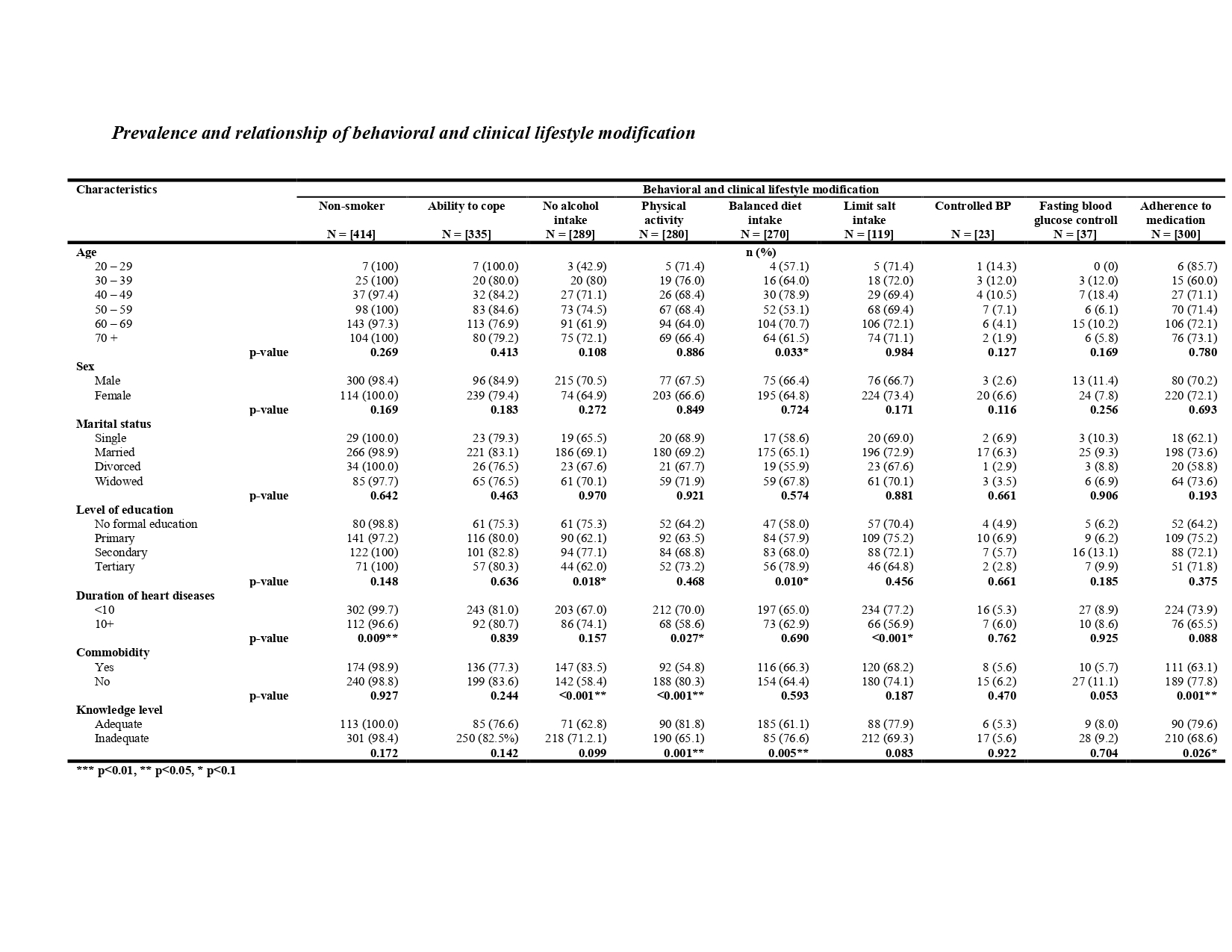
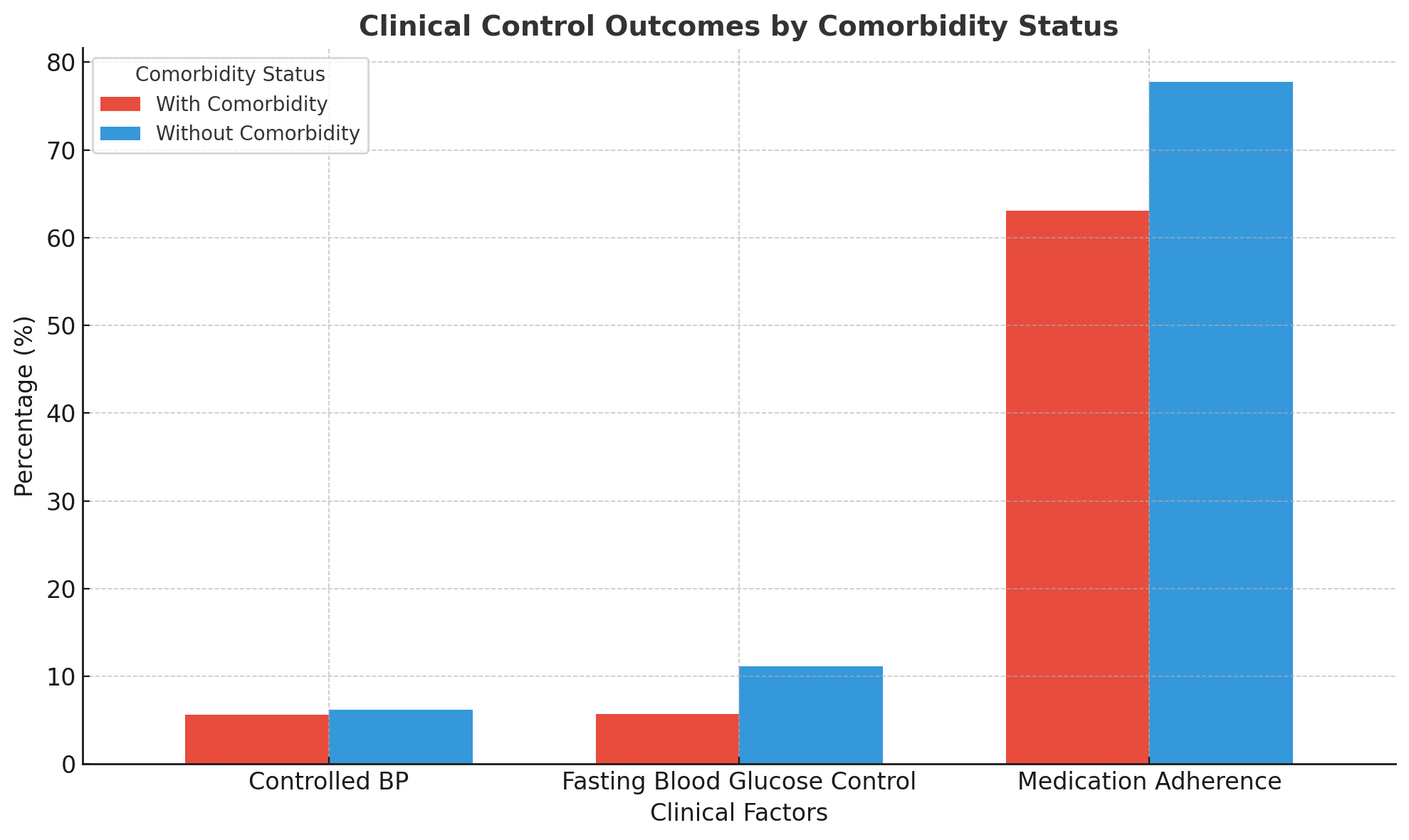
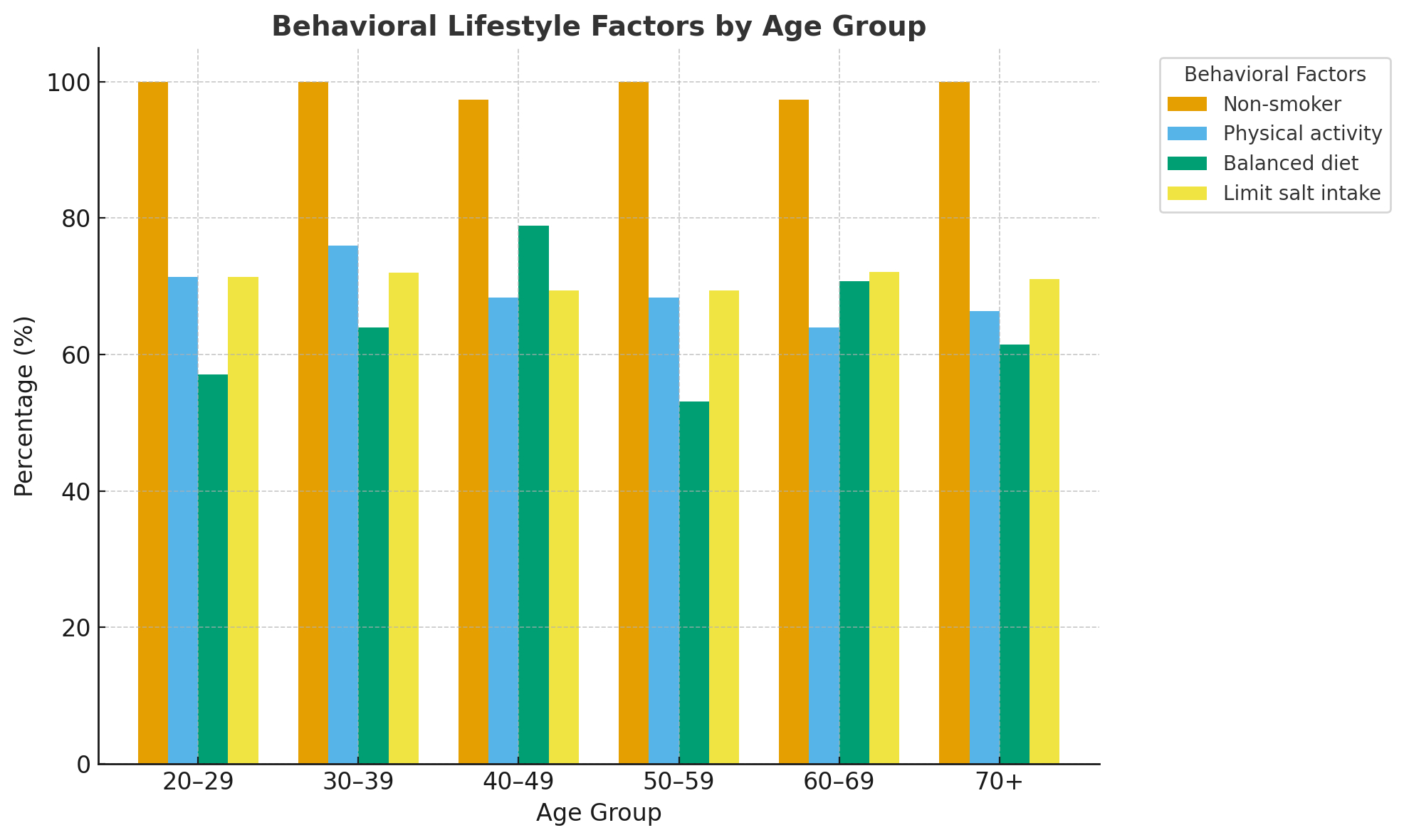
Abstract Body: Background: Africa bears a disproportionate share of the cardiovascular diseases global burden. Despite numerous guidelines in Ghana to enhance cardiovascular health, non-adherence to both lifestyle modification and medication remains prevalent. Combined adherence assessment on medication and lifestyle is crucial to model interventions that address the rising burden of cardiovascular diseases. Methods: We used a cross-sectional design to assess and quantify lifestyle and medication adherence among 419 patients with cardiovascular diseases at Cape Coast Teaching Hospital in Ghana. We used descriptive analysis to quantify adherence levels and multivariate logistic regression analysis to infer associations and predictors of adherence, uncontrolled hypertension and high blood glucose. Result: Among 419 participants (mean age = 60 ± 12.3 years), 71.6% adhered to medication (95% CI: 67.0–75.8). Despite high rates of healthy behaviors, non-smoking (98.8%), environmental coping (80%), alcohol abstinence (70%), physical activity (66.8%), and balanced diet (65.2%), only 28.4% limited salt intake. Clinical control was suboptimal, with just 8.3% achieving normal fasting blood glucose and 5.5% having controlled blood pressure. Comorbidity was associated with lower odds of medication adherence (OR = 0.54, 95% CI: 0.35–0.85, p = .007) and normal fasting glucose (OR = 0.45, 95% CI: 0.21–0.99, p = .047). Increasing age was linked to a higher likelihood of uncontrolled blood pressure (OR = 1.75, 95% CI: 1.22–2.51, p = .002). Conclusion: CVD management needs comprehensive patient-centered care intervention that accounts for optimal adherence to both medications and lifestyle and ensures blood pressure and blood glucose are well controlled among patient with CVD.
Gordon, Esther
(
Drexel University
, Philadelphia , Pennsylvania , United States )