
Logo

American Heart Association

  19
  0


Final ID: MP2093

Electrocardiographically Subtle Inferior Myocardial Infarction: The Importance of Troponin, Clinical Context, and Artificial Intelligence

Abstract Body (Do not enter title and authors here): Case Description:
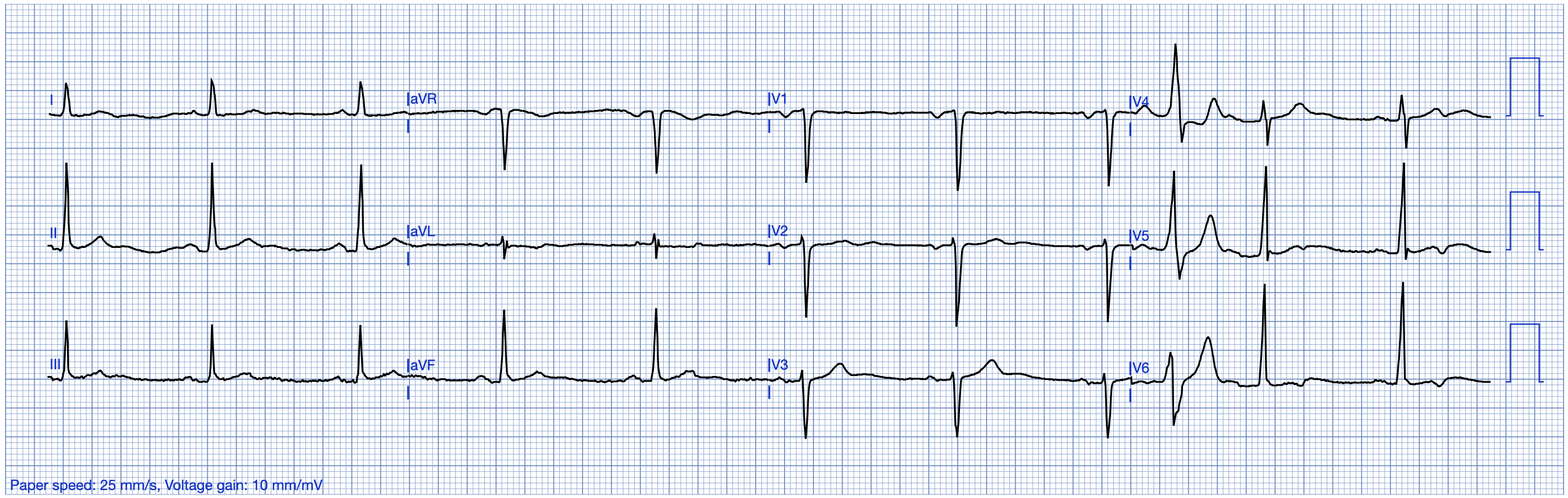
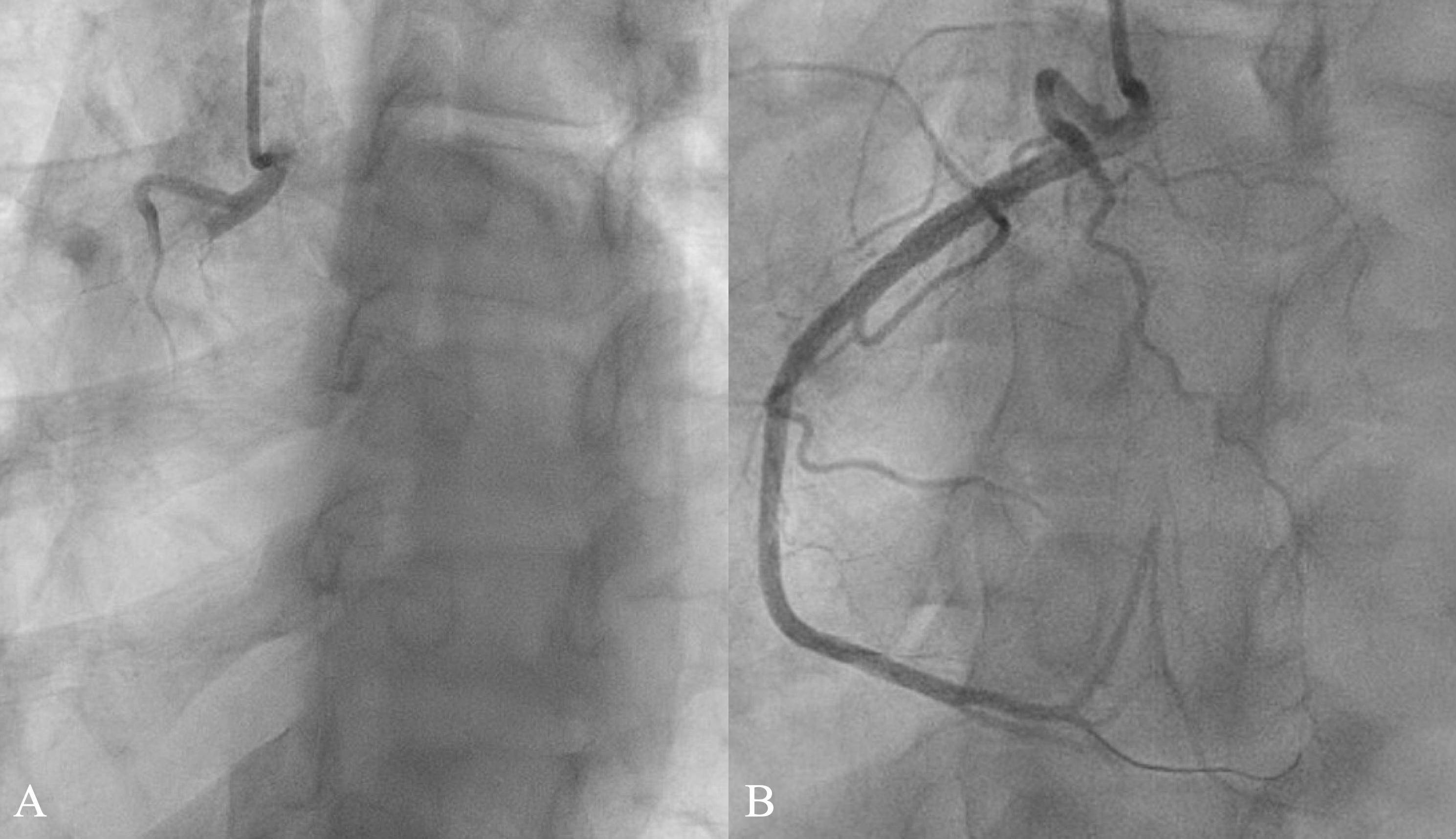
Occlusion myocardial infarctions (OMI) can present with minimal ECG changes, making diagnosis challenging without high clinical suspicion. STEMI criteria have limited sensitivity for acute coronary occlusion (ACO), and patients with NSTEMI with ACO have longer time to angiography and worse outcomes compared to patients with STEMI and ACO. We present a 43-year-old male with BMI 36, hypertension, and a 30 pack-year smoking history presented with three days of intermittent chest pain radiating to the back with nausea and dyspnea. Symptoms progressed, prompting repeated visits to urgent care and ultimately to the emergency department (ED). On ED arrival, ECG was non-diagnostic. Troponin I was markedly elevated at 5,548 ng/L. Serial ECG revealed hyperacute T waves without conventionally diagnostic ST elevation and troponin rising to 25,763 ng/L. The patient underwent coronary angiography 13 hours after arrival, revealing acute thrombotic occlusion of the proximal right coronary artery. Percutaneous coronary internvention was performed with resolution of pain. Repeat ECG showed reperfusion changes, and echocardiogram showed inferior hypokinesis.

Discussion:
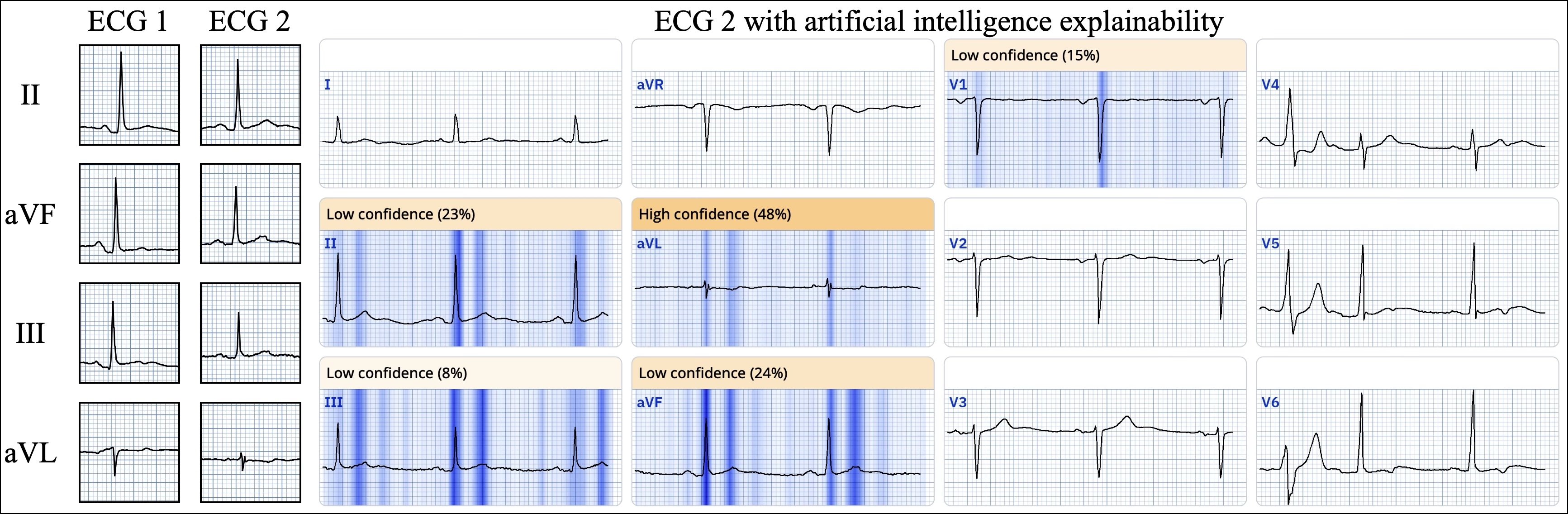
This case highlights the diagnostic challenge in patients with OMI without STEMI. Despite high-risk features, there was delayed recognition and intervention. This delay is consistent with empirical evidence that the highest risk NSTEMIs undergo urgent catheterization 6.4% of the time. The case also exemplifies how elevated and rising troponins, even without dramatic ECG changes, should prompt urgent management. Retrospective analysis using the Queen of Hearts artifical intelligence ECG model helped identify diagnostic ECG findings that were not recognized in real time. This tool proved valuable in highlighting findings consistent with inferoposterior OMI, reinforcing its potential role in supporting earlier recognition of high-risk ECG patterns. Early invasive evaluation should be considered in patients with ECGs that are diagnostic for OMI without satisfying STEMI criteria.
  • Pujari, Bhanuteja  ( SLU School of Medicine , Saint Louis , Missouri , United States )
  • Bhagwat, Atharva  ( SLU School of Medicine , Saint Louis , Missouri , United States )
  • Ponnada, Rohit  ( SLU School of Medicine , Saint Louis , Missouri , United States )
  • Shah, Atman  ( SLU School of Medicine , Saint Louis , Missouri , United States )
  • Frick, William  ( SSM Health St. Louis Univeristy Hospital , Saint Louis , Missouri , United States )
  • Author Disclosures:
    Bhanuteja Pujari: DO NOT have relevant financial relationships | Atharva Bhagwat: DO NOT have relevant financial relationships | Rohit Ponnada: DO NOT have relevant financial relationships | Atman Shah: DO NOT have relevant financial relationships | William Frick: DO NOT have relevant financial relationships
Meeting Info:

Scientific Sessions 2025

2025

New Orleans, Louisiana

Session Info:

Clinical Case: CAD

Monday, 11/10/2025 , 09:15AM - 10:15AM

Moderated Digital Poster Session

More abstracts on this topic:
A Randomized Clinical Trial Evaluating Vitamin D Normalization on Major Adverse Cardiovascular-Related Events Among Acute Coronary Syndrome Patients: The TARGET-D Trial

May Heidi, Colipi Dominique, Whiting Tyler, Muhlestein Joseph, Le Viet, Anderson Jeffrey, Babcock Daniel, Wayman Libby, Bair Tami, Knight Stacey, Knowlton Kirk, Iverson Leslie

A Personal Risk Assessment Device in Patients with Chest Pain

Shvilkin Alexei, Zlatic Natasa, Atanasoski Vladimir, Grujovic Zdolsek Sanja, Popovic Maneski Lana, Miletic Marjan, Vukcevic Vladan

You have to be authorized to contact abstract author. Please, Login
Not Available