
Logo

American Heart Association

  14
  0


Final ID: Su3043

Impact of Glycemic Control and Treatment in Maternal Diabetes on Congenital Heart Defects in Infants

Abstract Body (Do not enter title and authors here): Background
Diabetes during pregnancy is a major risk factor for congenital heart disease (CHD), particularly septal defects and ventricular hypertrophy. Hemoglobin A1c (HbA1c) and the Oral Glucose Tolerance Test are screening measures used to diagnose and control diabetes in pregnancy. This retrospective study compares gestational and pre-gestational diabetes and CHD outcomes, the effects of glycemic control, diabetic treatment, and other maternal factors.
Methods
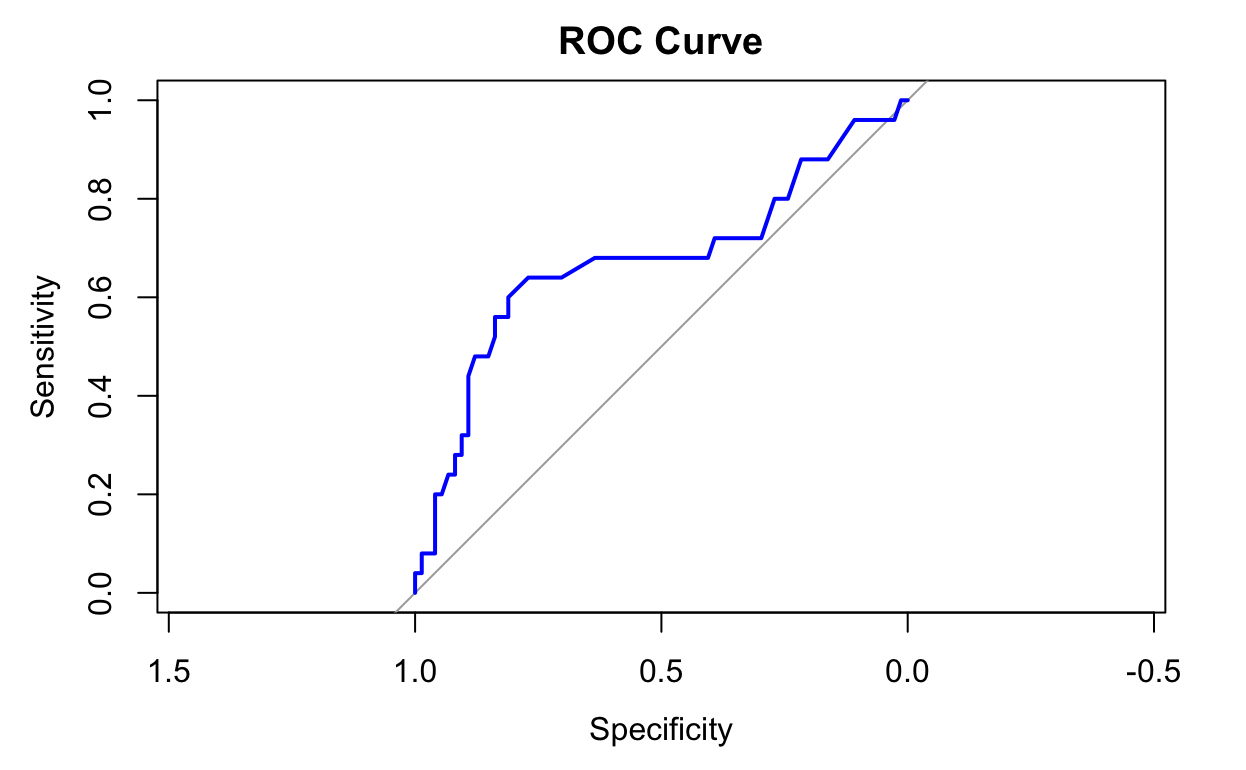
Medical records of 217 infant-mother dyads from 2020-2024 were analyzed. Maternal HbA1C levels from the first and second trimesters were recorded. Fetal and postnatal echocardiograms were reviewed to identify CHD. An abnormal postnatal echocardiogram during the first three months of life was deemed to have CHD. Data was analyzed using descriptive statistics, logistic regression, and an ROC was calculated on HbA1C for the predictive value on CHD.
Results
CHD was diagnosed in 21.7% of infants. Mean gestational age was 36 weeks 5 days (24-41 weeks) and mean maternal age was 32.6 years (18-45 years). Mean birth weight was 3096 grams (640-5465 grams). CHD was more common in those with pre-gestational diabetes than gestational diabetes 26.4% vs 15.6%; p = 0.055. The most frequent CHDs were atrial septal defect (44.7%), patent ductus arteriosus (36%), left ventricular hypertrophy (27.6%), and ventricular septal defect (22.3%). Among mothers, the classes of diabetes were type 2 diabetes (45%), gestational diabetes (44%), prediabetes (8.8%) and type 1 diabetes (2.3%).
Logistic regression analysis showed that higher first-trimester HbA1c levels was significantly associated with an increased odd of CHD; OR 1.42 (CI: 1.10–1.86); p = 0.009. Second-trimester HbA1c levels were not significantly associated with CHD; p > 0.05. A decreasing trend in HbA1c and gestational age was significant for CHD, OR 0.81 (CI: 0.68-0.95); p = 0.012. The ROC curve for HbA1c resulted with an AUC of 0.67 (CI: 0.53-0.81); p = 0.015.
Conclusion
Poor first-trimester glycemic control is significantly associated with an increased odds of CHD in infants born to diabetic mothers including gestational diabetes. Increasing gestational age and decreasing HbA1c trends are protective factors, emphasizing the importance of early pregnancy diabetes management. HbA1c levels are moderately predictive of CHD.
  • Das, Rakesh  ( Lincoln Medical Center , Bronx , New York , United States )
  • Attia, Marwa  ( Lincoln Medical Center , Bronx , New York , United States )
  • Paiewonsky, Daniel  ( Lincoln Medical Center , Bronx , New York , United States )
  • Chen Lin, Sheena  ( Lincoln Medical Center , Bronx , New York , United States )
  • Oo, Han  ( Lincoln Medical Center , Bronx , New York , United States )
  • Gupta, Manoj  ( Children's Hospital at Montefiore , Bronx , New York , United States )
  • Pollack, Rebecca  ( Lincoln Medical Center , Bronx , New York , United States )
  • Author Disclosures:
    Rakesh Das: DO NOT have relevant financial relationships | Marwa Attia: DO NOT have relevant financial relationships | Daniel Paiewonsky: DO NOT have relevant financial relationships | Sheena Chen Lin: DO NOT have relevant financial relationships | Han Oo: DO NOT have relevant financial relationships | MANOJ GUPTA: No Answer | REBECCA POLLACK: DO NOT have relevant financial relationships
Meeting Info:

Scientific Sessions 2025

2025

New Orleans, Louisiana

Session Info:

Potpourri 1: Pediatric and Congenital Cardiology

Sunday, 11/09/2025 , 11:30AM - 12:30PM

Abstract Poster Board Session

More abstracts on this topic:
Aberrant Regulation of endMT in Turner Syndrome: Implications for the Pathogenesis of Congenital Cardiovascular Disease

Garcia Huitron Eric Ivan, Zhang Xiaoying, Babcock Lance, Grande-allen Kathryn, Prakash Siddharth

Aficamten is safe and effective in oHCM with comorbidities obesity, hypertension, and diabetes: a SEQUOIA-HCM sub-study

Lee Matthew, Malik Fady, Kupfer Stuart, Wohltman Amy, Coats Caroline, Abraham Theodore, Claggett Brian, Maron Martin, Miao Zi, Meder Benjamin, Olivotto Iacopo, Heitner Stephen, Jacoby Daniel

You have to be authorized to contact abstract author. Please, Login
Not Available