Machine Learning-Based Model for Prediction of All-cause death in Acute Myocardial Infarction patients undergoing primary coronary arteriography
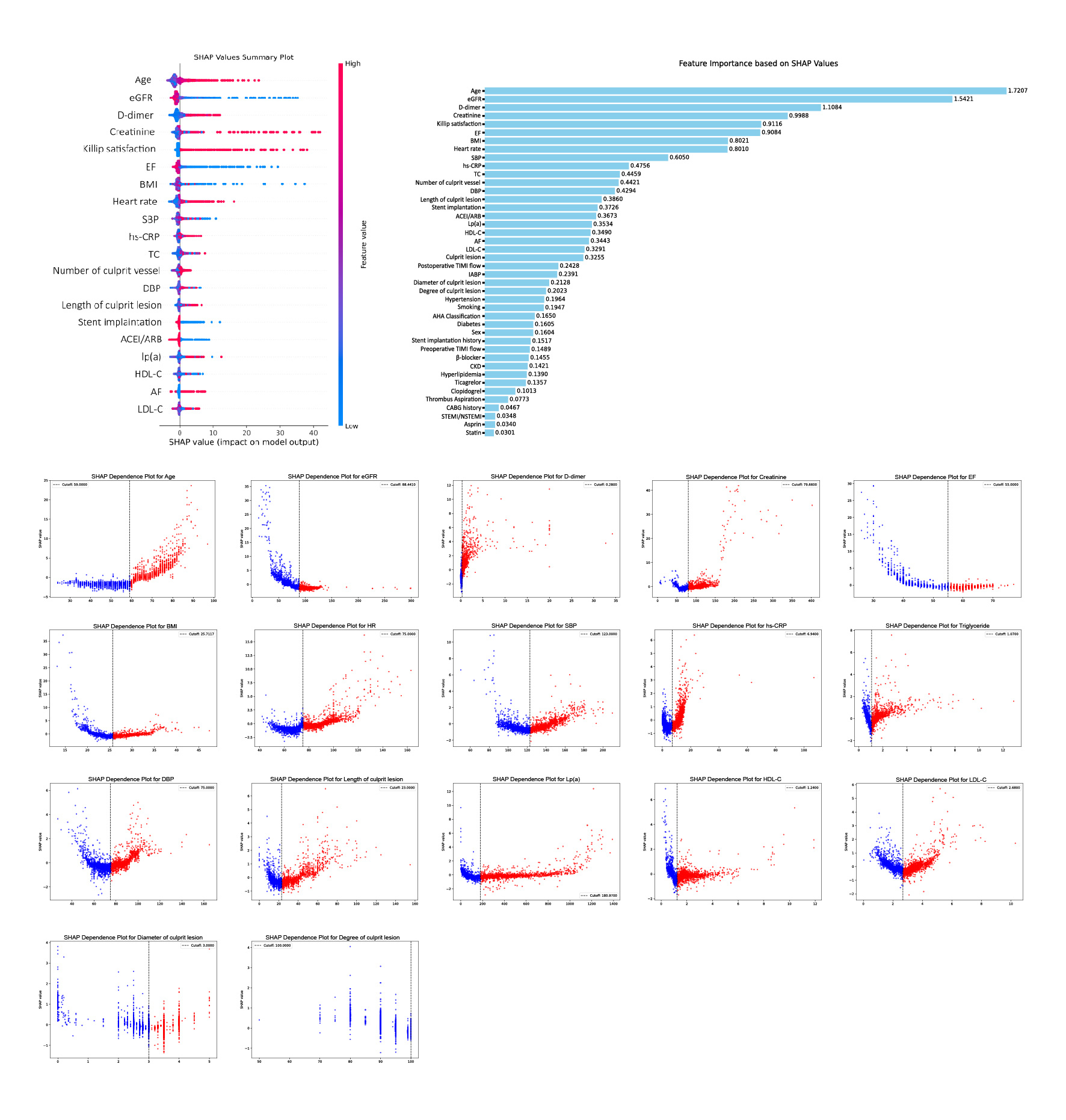
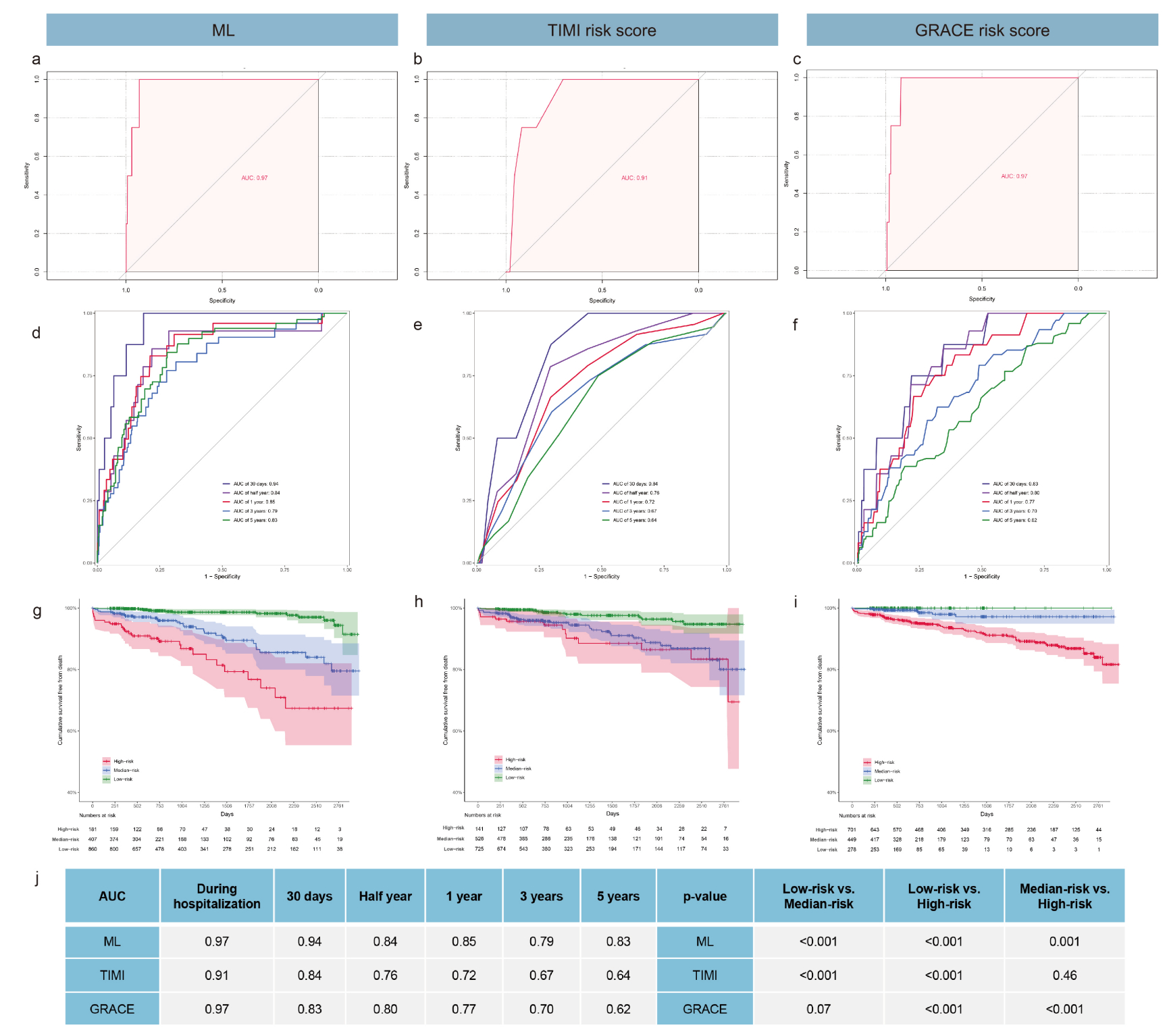
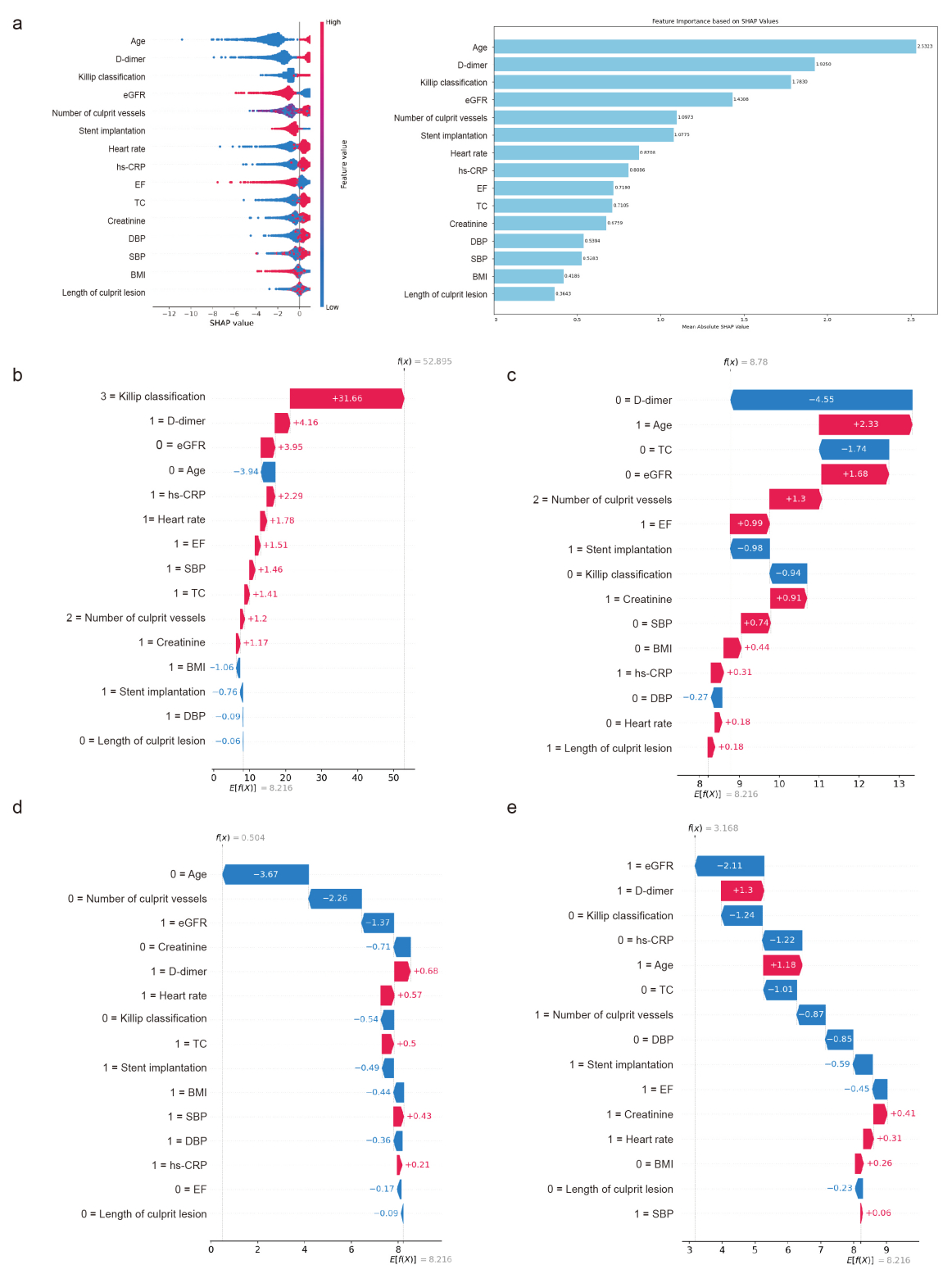
Abstract Body (Do not enter title and authors here): Background: Long-term prediction of all-cause death in patients with acute myocardial infarction (AMI) undergoing primary coronary angiography remains challenging. Additionally, Current tools neglect individual variability, limiting personalized risk prediction. In this study, we used machine learning (ML) algorithms to develop a individualized model to assess the risk of all-cause death in patients with AMI undergoing primary coronary angiography. Methods: This study was based on a cohort of 4825 patients consecutively enrolled between January 2010 and January 2020 from Fuwai Hospital, Beijing. We used Random Forest (RF) survival machine learning algorithms to conduct feature impotance anylysis(Figure 1). We transformed continuous variables into categorical variables based on cutoff values. Recursive feature elimination (RFE) was used to select pridictive variables. Individual predictions for different patients were visualized by SHAP force plots. To assess the accuracy of our model, we also compared the area under the curve (AUC) of the ROC curves at different time points and the K-M curves of our model with the TIMI and GRACE risk scores, which are two well-established prognostic scoring systems for patients with AMI. Results: All-cause death was 5.1% (246 patients) during the follow-up period. The final model incorporated 15 variables and achieved robust performance (C-index=0.8). In the test set, the AUC were 0.97 during hospitalization, 0.94 at 30 days, 0.84 at half year, 0.85 at 1 year, 0.79 at 3 years, and 0.83 at 5 years. The ML model's performance matched TIMI and GRACE risk scores for short-term outcomes (in-hospital and 30 days), surpassed TIMI risk score at half-year, and outperformed both risk scores in long-term follow-up (1,3,5 years). K-M curves showed statistical differences between risk groups (low-risk vs. median-risk, p<0.001; low-risk vs. high-risk, p<0.001; median-risk vs. high-risk, p=0.001)(Figure 2). Individualized SHAP force plots helped to identify risk factors for specific patients (Figure 3). Conclusions: ML based model provided an individualized model and showed more sustained predictive accuracy across short-, mid- and long-term period for the prediction of all-cause death in AMI patients compared to TIMI and GRACE risk scores. ML based model may be a prefered tool of risk stratification for AMI.
Linghan, Xue
(
Department of Cardiology, Fuwai Hospital, National Center for Cardiovascular Diseases, Peking Union Medical College & Chinese Academy of Medical Sciences, Beijing, People's Republic of China
, Beijing , China )
Author Disclosures:
Xue Linghan:DO NOT have relevant financial relationships