Prognostic Value of Persistent Microvascular Injury in patients with ST-Segment Elevation Myocardial Infarction after Percutaneous Coronary Intervention: A MR study
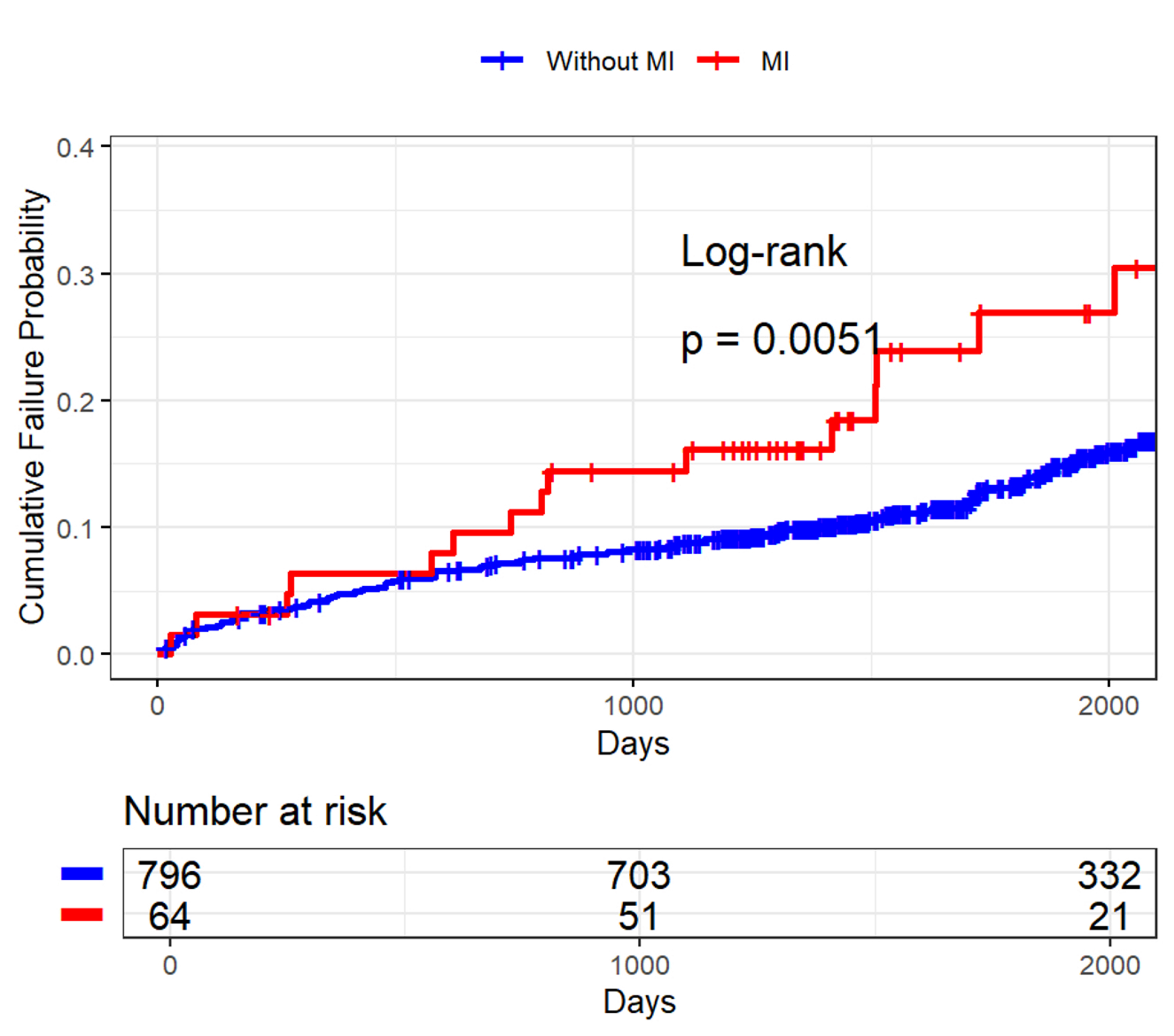
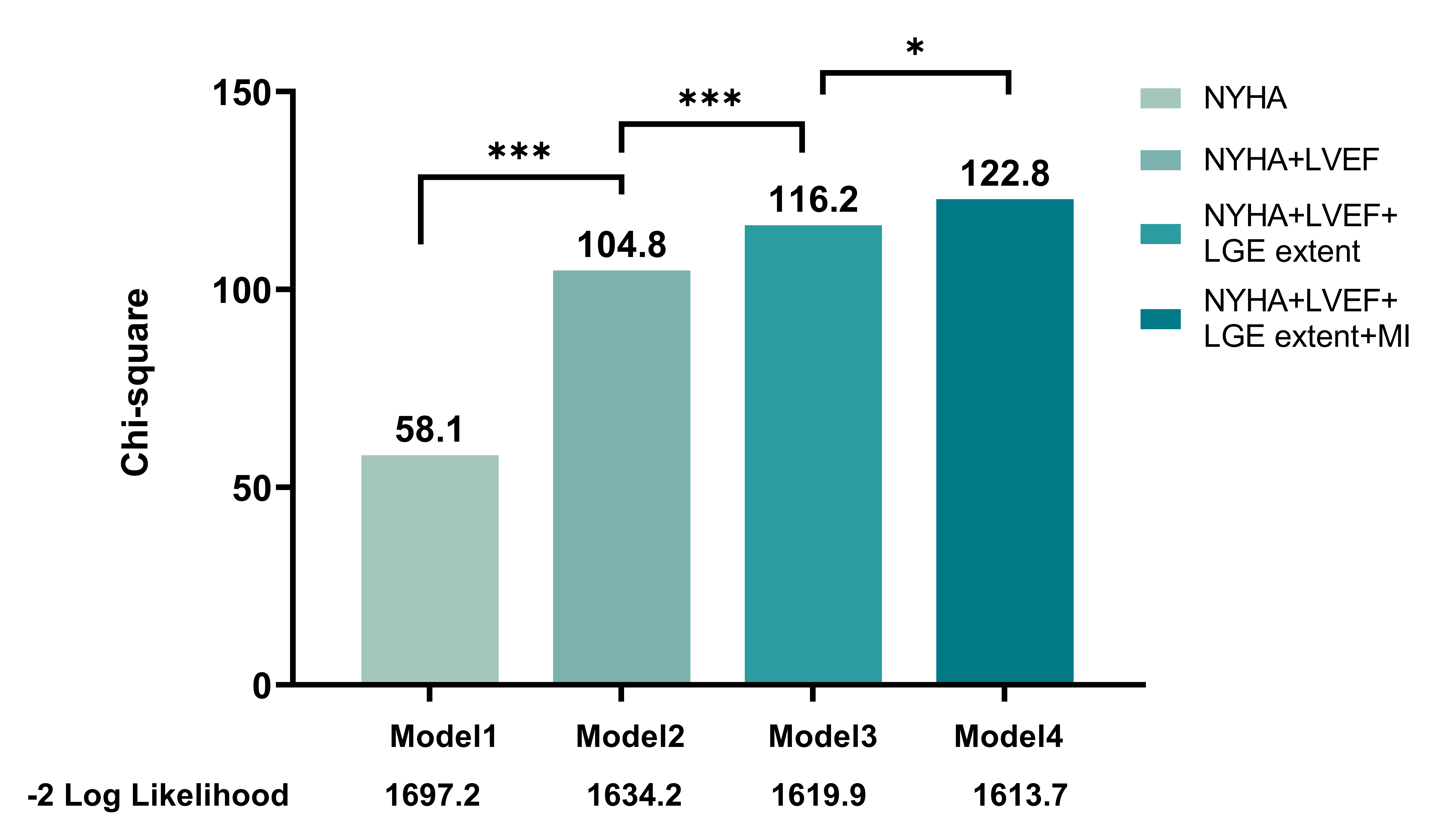
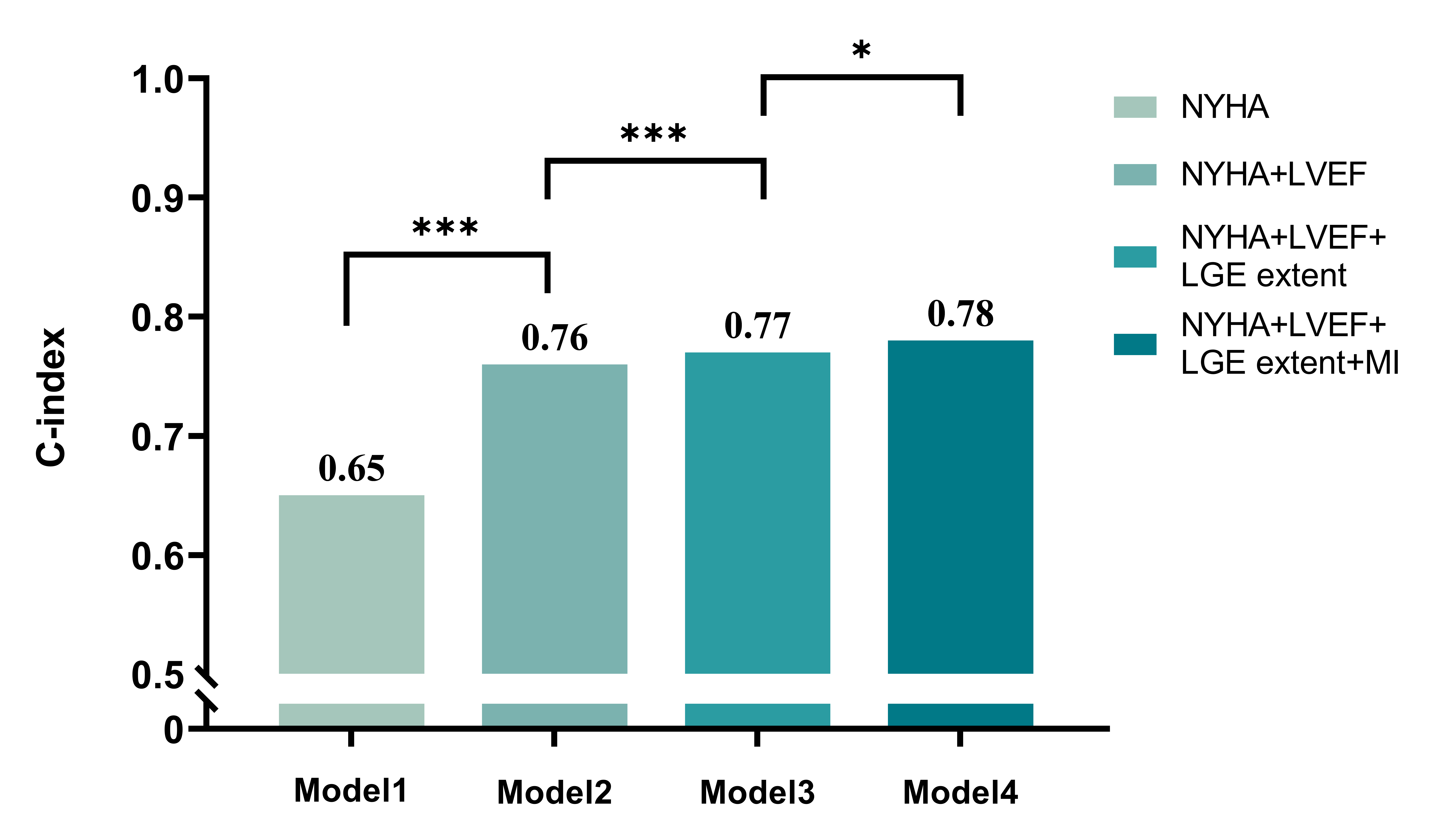
Abstract Body (Do not enter title and authors here): Background:This study aimed to investigate the prevalence, clinical characteristics, and prognostic significance of persistent microvascular injury (PMI) in ST-Segment Elevation Myocardial Infarction (STEMI) patients after Percutaneous Coronary Intervention (PCI) using cardiac MR (CMR). Methods and Materials: In this single-center retrospective study, 956 consecutive patients with post-myocardial infarction showing ischemic late gadolinium enhancement (LGE) on CMR were included between June 2017 and December 2021. STEMI patients were identified via ECG/clinical records. Exclusion creteria: (1) CMR-PCI interval <60 days; (2) suspection of acute myocardial injury based on the presence of myocardial edema on CMR or clinical records. PMI was defined as the presence of microvascular obstruction (MVO) or intramyocardial hemorrhage (IMH) using LGE and T2* technology, respectively. The endpoint was a composite of heart failure–related death, heart transplantation, left ventricular assist device implantation, and heart failure rehospitalization. Sudden cardiac death and non-cardiac death were recorded as competing events. Results: Ultimately, 860 eligible patients (mean age 56.2 years, 88.3% male) were analysed and 64 (7.4%) had PMI. The mean interval of between the PCI event and CMR was 1.7 ± 2.7 years. Among patients with PMI, 58 (90.6%) had MVO, and 6 (9.4%) had IMH. Patients with PMI had larger end-diastolic volume index (143.8 vs. 128.9, P=0.002), end-systolic volume index (105.6 vs. 91.3, P=0.002), and more severe LGE extent (26.4 vs. 20.0, p<0.001), compared with those without PMI. During a median follow-up of 70.0 months, 137 patients (15.9%) experienced the endpoint. PMI was independently associated with endpoint (HR = 1.75, 95% CI: 1.03–2.97, p = 0.04), after adjusting for NYHA class III–IV, LVEF, and LGE extent. PMI significantly improved the model discrimination (C-index = 0.78, p = 0.03) and the model fit (likelihood ratio test, p = 0.01) over the conventional model (combined NYHA class III–IV, LVEF, and LGE extent) for the predicting endpoint. Conclusion:PMI was identified in 7.4% of STEMI patients after PCI and was associated with adverse LV remodeling. Furthermore, PMI served as an independent predictor of heart failure–related adverse outcomes and provided incremental prognostic value.
Zhou, Pengyu
(
Fuwai Hospital
, Beijing , China )
Author Disclosures:
Pengyu Zhou:DO NOT have relevant financial relationships