Hispanics, Women, and Applicants Ages 45-59 Dominate Boston SNAP Enrollment and Reflect Cardiovascular Disease Risk
Abstract Body (Do not enter title and authors here): Background Cardiovascular disease (CVD), the world’s leading cause of death, is most commonly prevented through a nutritious diet and the avoidance of harmful substances. Unfortunately, access to fresh, nutritious food has become a luxury that only some families can afford, contributing to the rapid progression of atherosclerotic disease. Link Health, a Boston-based organization, streamlines the delivery of financial assistance programs to low-income populations at Federally Qualified Health Centers. By enrolling patients in the Supplemental Nutrition Assistance Program (SNAP), Link Health helps close the gap between low-income patients and access to nutritious food.
Research Question Through a thorough data exploration of SNAP enrollee demographics, Link Health poses a two-pronged question: What are the demographics of the average SNAP applicant, and is there a connection between these demographics and reported CVD trends?
Methods Applications for assistance programs are centralized in a Firebase dashboard, allowing the team to collect relevant information about enrollees while scrubbing personally identifiable health data. Demographic data from SNAP applicants between June 2024 and June 2025 were examined. The data were analyzed to identify trends in gender, age, race, and qualification method for SNAP benefits, in order to draw broader conclusions about potential connections to CVD prevalence within these populations.
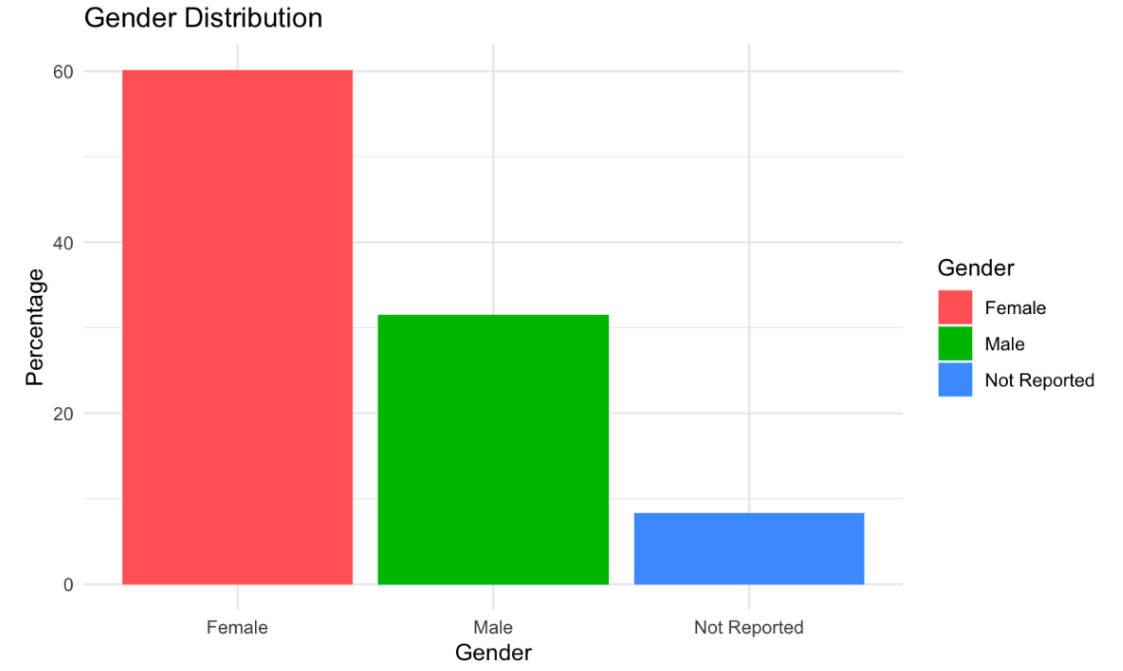
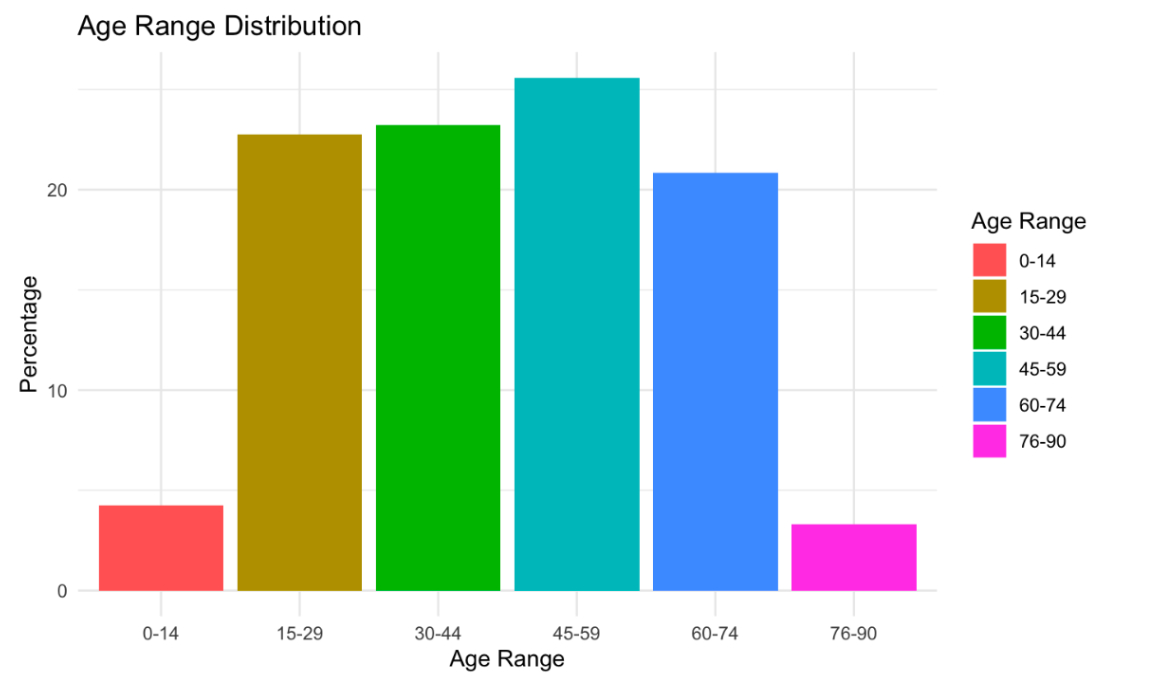
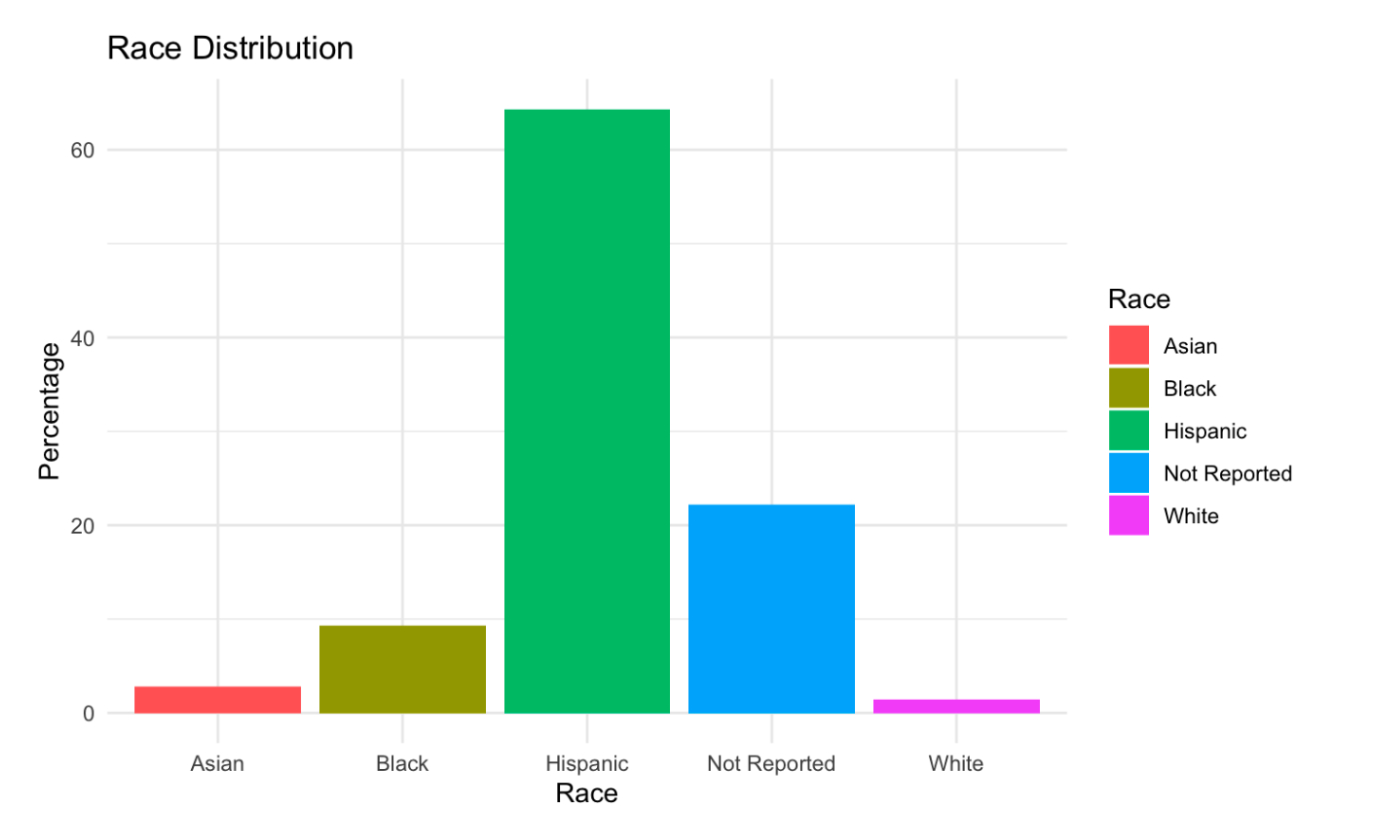
Results 60% of SNAP applicants identified as women, and the largest age group—26%—was between 45 and 59 years old. 64% of applicants identified as Hispanic, and 26% of SNAP enrollees were Spanish-speaking. The primary qualification method for SNAP was via Medicaid, accounting for 76% of applicants. These demographic insights are useful for healthcare professionals in designing culturally informed dietary education.
Conclusion Given the strong correlation between Hispanic populations and CVD risk factors, the results of this study highlight populations that may need greater access to nutritional resources and health education. Clinicians should be aware of the demographics of patients utilizing SNAP benefits, as these individuals often serve as providers of food for their households and can be pivotal in promoting community-wide cardiovascular health. By understanding these populations’ cultural and social contexts, healthcare providers can tailor education and communication to foster sustainable, heart-healthy behaviors.
Mohanakrishnan, Poorvi
(
Northeastern University
, Marlborough , Massachusetts , United States )
Huey, Conner
(
Harvard University
, Boston , Massachusetts , United States )
Nera, Namira
(
Boston University
, Boston , Massachusetts , United States )
Barrios, Julissa
(
Link Health
, Boston , Massachusetts , United States )
Author Disclosures:
Poorvi Mohanakrishnan:DO NOT have relevant financial relationships
| Conner Huey:DO NOT have relevant financial relationships
| Namira Nera:DO NOT have relevant financial relationships
| Julissa Barrios:DO NOT have relevant financial relationships