
Logo

American Heart Association

  17
  0


Final ID: Mo4062

Heart Failure-Associated SNPs Are Enriched in Estrogen-Related Receptor Binding Regions

Abstract Body (Do not enter title and authors here): Introduction
Estrogen-related receptors (ERRs) are nuclear receptors essential for postnatal cardiac maturation. Our recent studies have shown that ERRs are necessary for coordinated activation of cardiomyocyte metabolic and structural gene programs through interactions with PGC-1 coactivators and cardiogenic factors such as GATA4. In heart failure (HF), ERR transcriptional programs may revert to a fetal-like state, leading to metabolic inefficiency and energy starvation.

Methods
To better understand ERRs’ role in HF, 176 SNPs from a recent HF GWAS were mapped onto the human cardiomyocyte cistrome to identify potential HF-associated variants proximal to ERRγ and/or ERRα binding regions. Overlaps were analyzed for ERR binding motifs with an 80% position-weight matrix threshold. Permutation testing was performed to determine if HF-associated variants were found more frequently than expected near ERR binding regions. Hypergeometric testing assessed whether HF-associated SNPs were enriched in ERR binding regions compared to genome-wide SNPs, with per-chromosome p-values combined using Fisher’s method. Stratified linkage disequilibrium score regression (S-LDSC) was performed to quantify whether SNPs within ERR binding regions disproportionately contributed to HF heritability compared to genome-wide averages.

Results
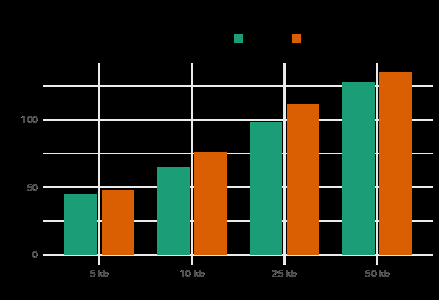
Both permutation and hypergeometric testing showed significant enrichment of HF-associated variants proximal to ERR binding regions (p < 0.05). The number of overlaps increased with the size of the flanking region, ranging from 48 at 5 kb, to 135 at 50 kb. Consensus ERR motifs were identified in 6.4% of ERRγ overlaps and 4.0% of ERRα overlaps. S-LDSC demonstrated notable HF heritability enrichment within ERRγ binding regions (enrichment score: 8.8 ± 3.0, p = 0.010), whereas ERRα showed non-significant enrichment (3.8 ± 3.3, p = 0.426), and GATA4 showed negligible enrichment (−0.4 ± 5.27, p = 0.786).

Conclusion
This computational analysis reveals significant enrichment of HF-associated SNPs in/near genomic regions containing ERR transcription factors, highlighting ERR-driven transcriptional networks as potentially important mechanisms underlying heart failure development. These results establish a platform for future functional experimental studies to determine the impact of HF-associated variants on ERR-mediated transcriptional regulatory function and additional computational analyses to clarify the precise biological roles of ERRs in HF progression.
  • Hassan, Ziad  ( University of Pennsylvania , Philadelphia , Pennsylvania , United States )
  • Hartmann, Katherine  ( University of Pennsylvania , Philadelphia , Pennsylvania , United States )
  • Batmanov, Kirill  ( University of Pennsylvania , Philadelphia , Pennsylvania , United States )
  • Sakamoto, Tomoya  ( University of Pennsylvania , Philadelphia , Pennsylvania , United States )
  • Kelly, Daniel  ( University of Pennsylvania , Philadelphia , Pennsylvania , United States )
  • Levin, Michael  ( University of Pennsylvania , Philadelphia , Pennsylvania , United States )
  • Author Disclosures:
    Ziad Hassan: DO NOT have relevant financial relationships | Katherine Hartmann: No Answer | Kirill Batmanov: DO NOT have relevant financial relationships Daniel Kelly: DO have relevant financial relationships ; Consultant:Pfizer, Inc.:Active (exists now) ; Consultant:Amgen:Active (exists now) | Michael Levin: DO have relevant financial relationships ; Research Funding (PI or named investigator):MyOme:Active (exists now) ; Consultant:BridgeBio:Active (exists now)
Meeting Info:

Scientific Sessions 2025

2025

New Orleans, Louisiana

Session Info:

Early Detection of Cardiovascular Disease 2

Monday, 11/10/2025 , 01:00PM - 02:00PM

Abstract Poster Board Session

More abstracts on this topic:
A Growing Burden of Electronic Medical Record Messages in ACHD Care

Dailey Schwartz Andrew, Alegria Jorge

A CRISPR-Activation CROP-seq Screen Identifies HMGN1 as a Dosage-Sensitive Regulator of Heart Defects in Down Syndrome

Ranade Sanjeev, Mital Rahul, Boileau Ryan, Koback Frances, Padmanabhan Arun, Merriman Alexander, Wallace Langley, Nguyen Annie, Poulis Nikolaus, Gifford Casey, Pollard Katherine, Li Feiya, Srivastava Deepak, Whalen Sean, Angelo Pelonero, Ye Lin, Huang Yu, Brand Abigail, Nishino Tomohiro, Costa Mauro

More abstracts from these authors:
Postnatal loss of the nuclear receptor PPARα in cardiomyocytes promotes glycolytic remodeling and cardiomyocyte dedifferentiation via Fbp2 downregulation

Sulon Sarah, Kelly Daniel, Sakamoto Tomoya, Koves Timothy, Batmanov Kirill, Axsom Jessie, Grimsrud Paul, Zhang Guofang, Arany Zoltan, Muoio Deborah

Vulnerability of Cardiomyocyte Gene Programs to Loss of Estrogen-related Receptor (ERR); Implications for Genetic Determinants of Human Heart Disease

Sakamoto Tomoya, Batmanov Kirill, Gacita Anthony, Woyciechowski Stacy, Gaynor James, Spyropoulos George, Gelb Bruce, Kelly Daniel

You have to be authorized to contact abstract author. Please, Login
Not Available