
Lp(a) Screening in FQHCs: A National Implementation Science Approach
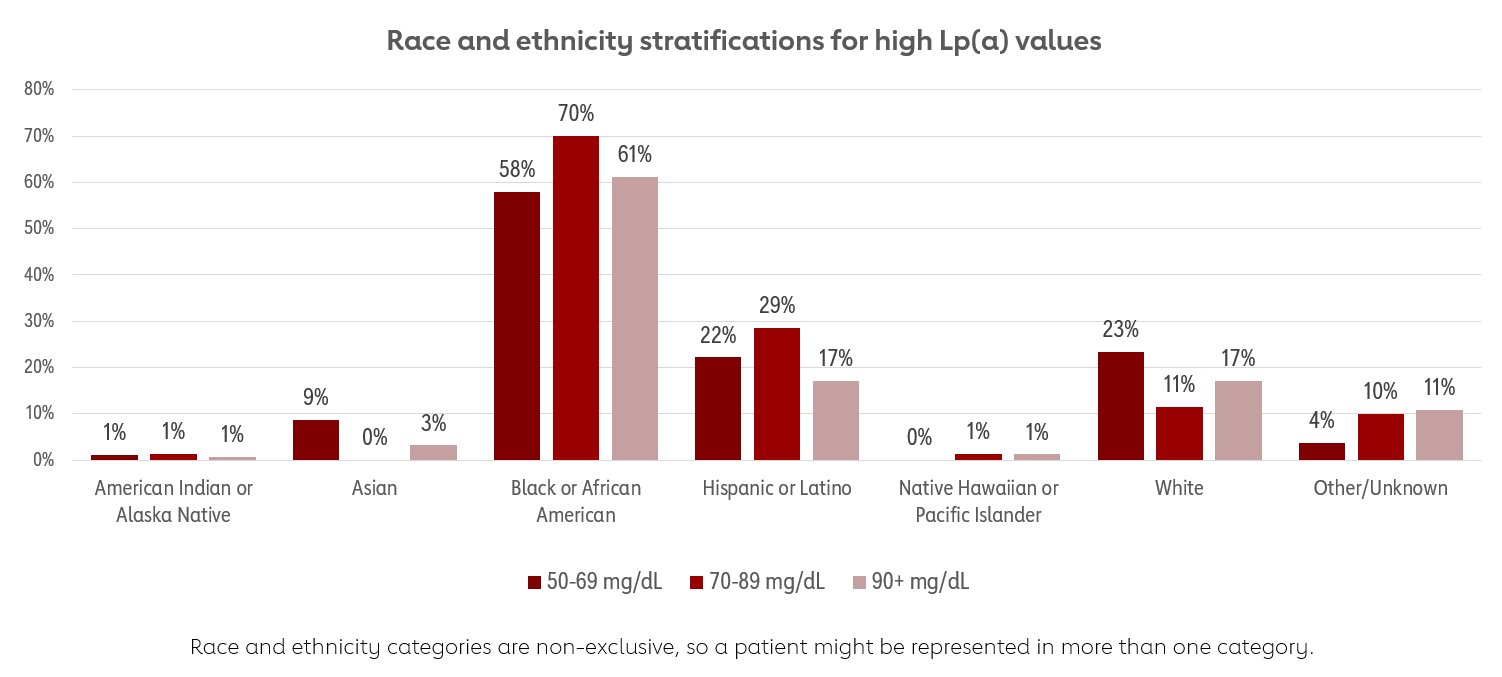
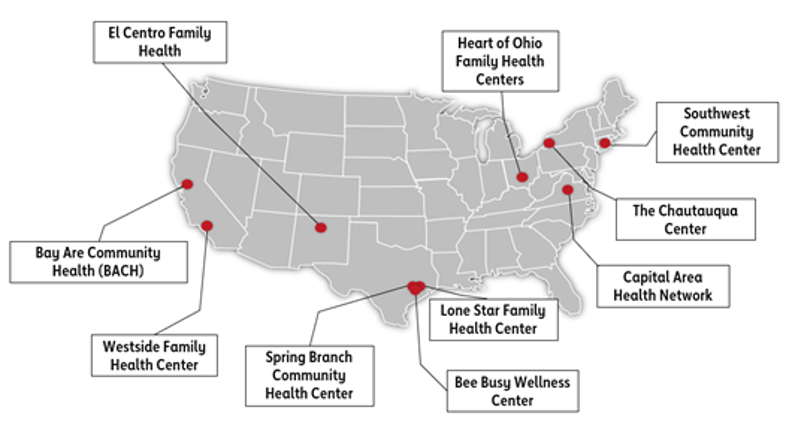
Abstract Body (Do not enter title and authors here): Background Lipoprotein (a) [Lp(a)] is genetically inherited, causal and prevalent risk factor for Atherosclerotic Cardiovascular Disease (ASCVD). Despite a 10%−20% prevalence of elevated Lp(a), utilization of Lp(a) testing in clinical practice has been long felt to be poor. Elevated Lp(a), which is (≥50 mg/dL or ≥ 125 nmol/L), can increase the risk of heart attack, stroke, and peripheral artery disease. About 20-30% of people worldwide have high Lp(a), with the highest levels in Black/African American and South Asian populations. Methods The American Heart Association’s Lp(a) FQHC Discovery Project applies implementation science to evaluate innovative quality improvement strategies, aiming to analyze Lp(a) testing trends and increase testing in Federally Qualified Health Centers (FQHCs) through data-driven initiatives. Baseline and monthly testing data was collected via Qualtrics to monitor progress and assess potential gaps in Lp(a) care continuums. Improvement efforts were discussed in monthly consults. Additionally, FQHCs shared knowledge and best practices during learning collaboratives. Results A total of ten sites were enrolled, with participants submitting baseline data from June 2023 through May 2024. During the first three quarters of the intervention, sites averaged 407 tests ordered and 131 values recorded per quarter, a 13.6-fold and 5.2-fold increase, respectively, compared to baseline. One-third (n=308) of recorded Lp(a) values were high (≥50 mg/dL). Black/African American patients had the highest Lp(a) values. While 43% of patients were Black/African American, they accounted for 70% of Lp(a) values between 70–89 mg/dL and 61% of values ≥90 mg/dL. Conclusion Findings showed that implementation science approaches can effectively enhance Lp(a) screening and awareness in FQHCs, resulting in increased testing. This project also highlights higher Lp(a) levels amid Black/African American patients, emphasizing the need for targeted education and risk management strategies. These results underscore the importance of sustained quality improvement, patient engagement and equity-focused approaches to ASCVD prevention.
Gooden, Kelly
(
AHA
, Hoover , Alabama , United States )
Pena, David
(
American Heart Association
, Georgetown , Texas , United States )
Gonzalez, Nicole
(
American Heart Association
, Washington , District of Columbia , United States )
Emmons-bell, Sophia
(
American Heart Association
, Austin , Texas , United States )
Skinner, Jeremy
(
American Heart Association
, HOUSTON , Texas , United States )
Colson, Kristin
(
American Heart Association
, Boise , Idaho , United States )
Author Disclosures:
Kelly Gooden:DO NOT have relevant financial relationships
| David Pena:DO NOT have relevant financial relationships
| Nicole Gonzalez:DO NOT have relevant financial relationships
| Sophia Emmons-Bell:No Answer
| Jeremy Skinner:DO NOT have relevant financial relationships
| Kristin Colson:DO NOT have relevant financial relationships