
A First-in-Class EV-miRNA Diagnostic System for Early Identification of IVIG-Resistant Kawasaki Disease
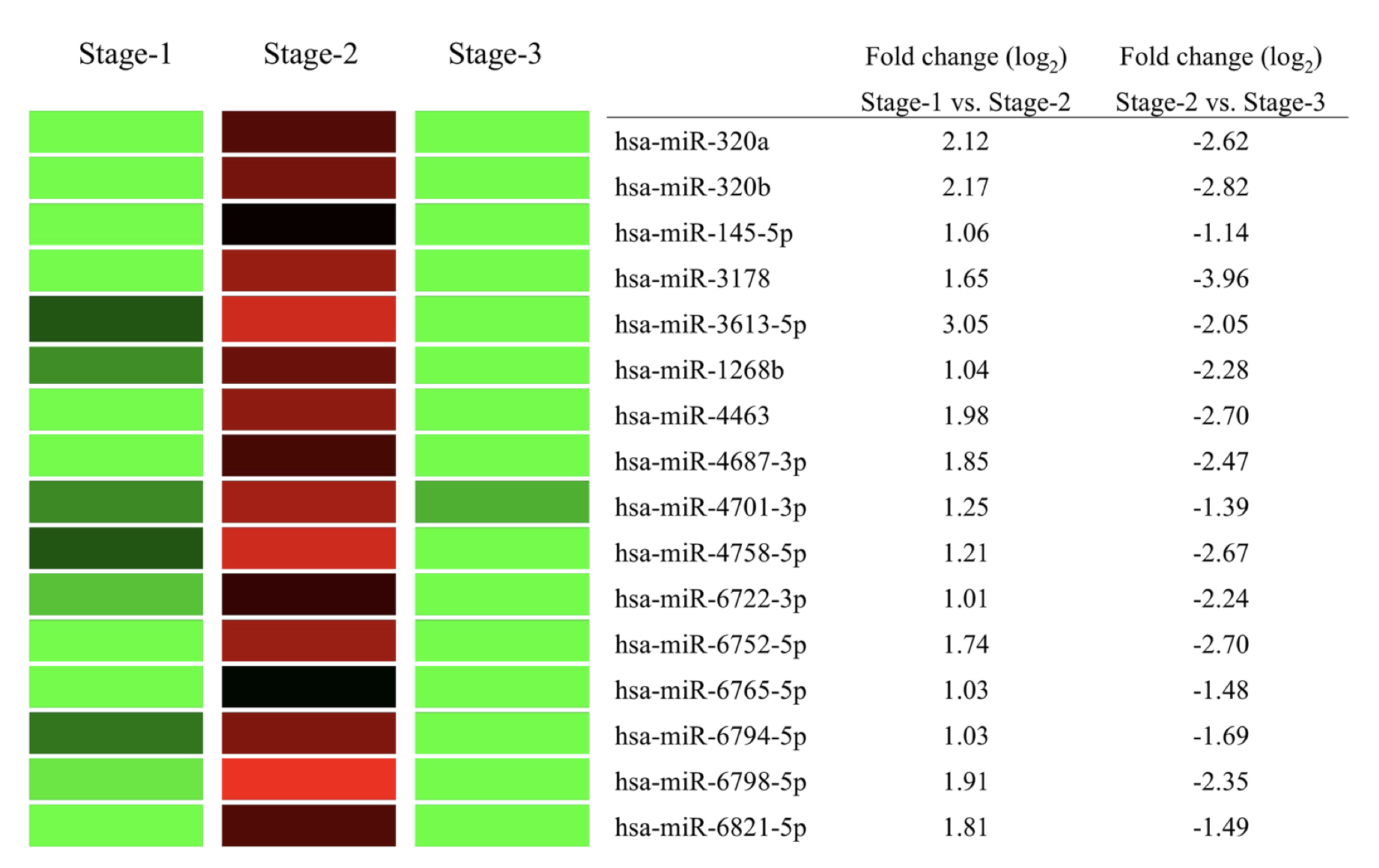
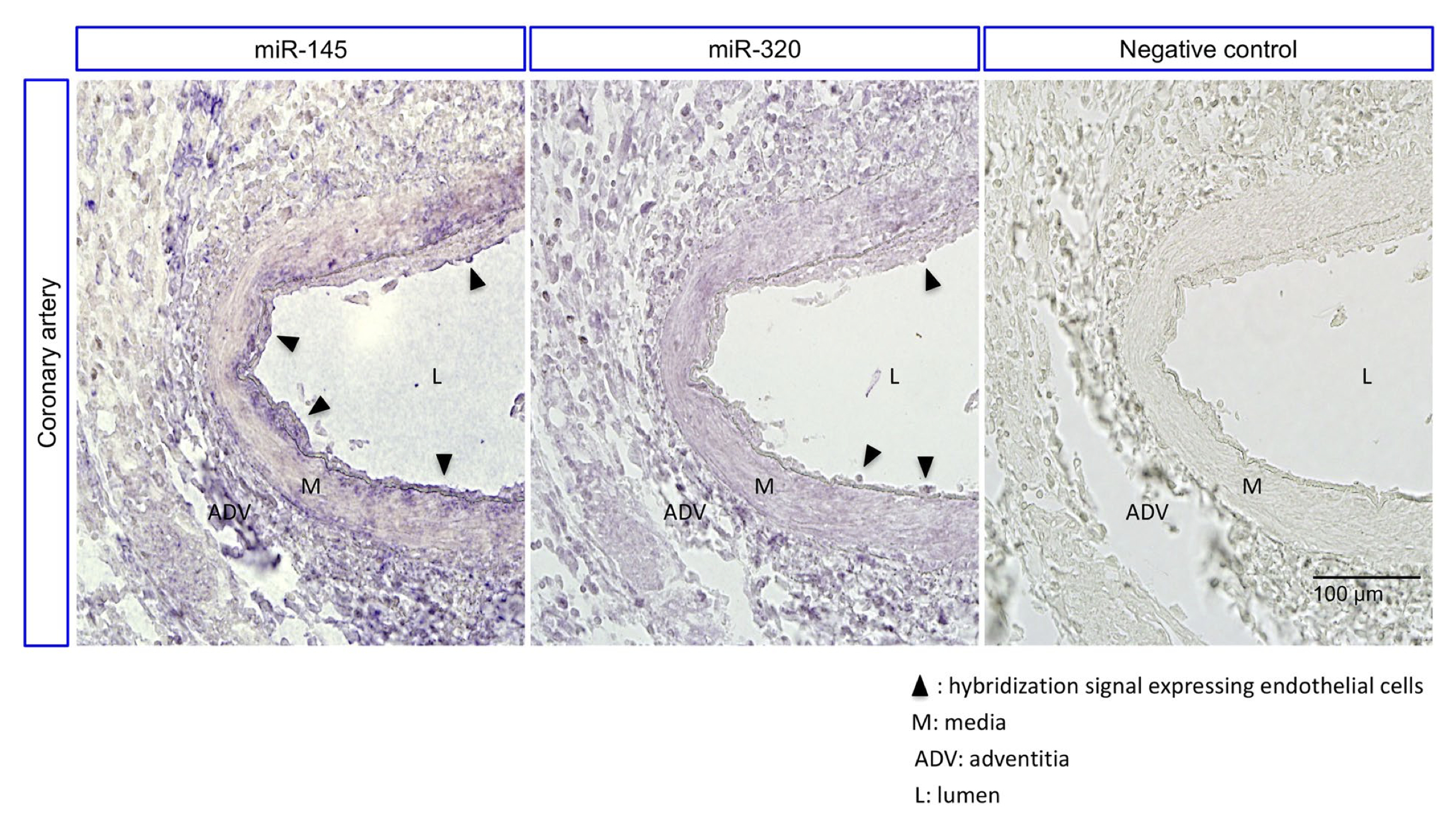
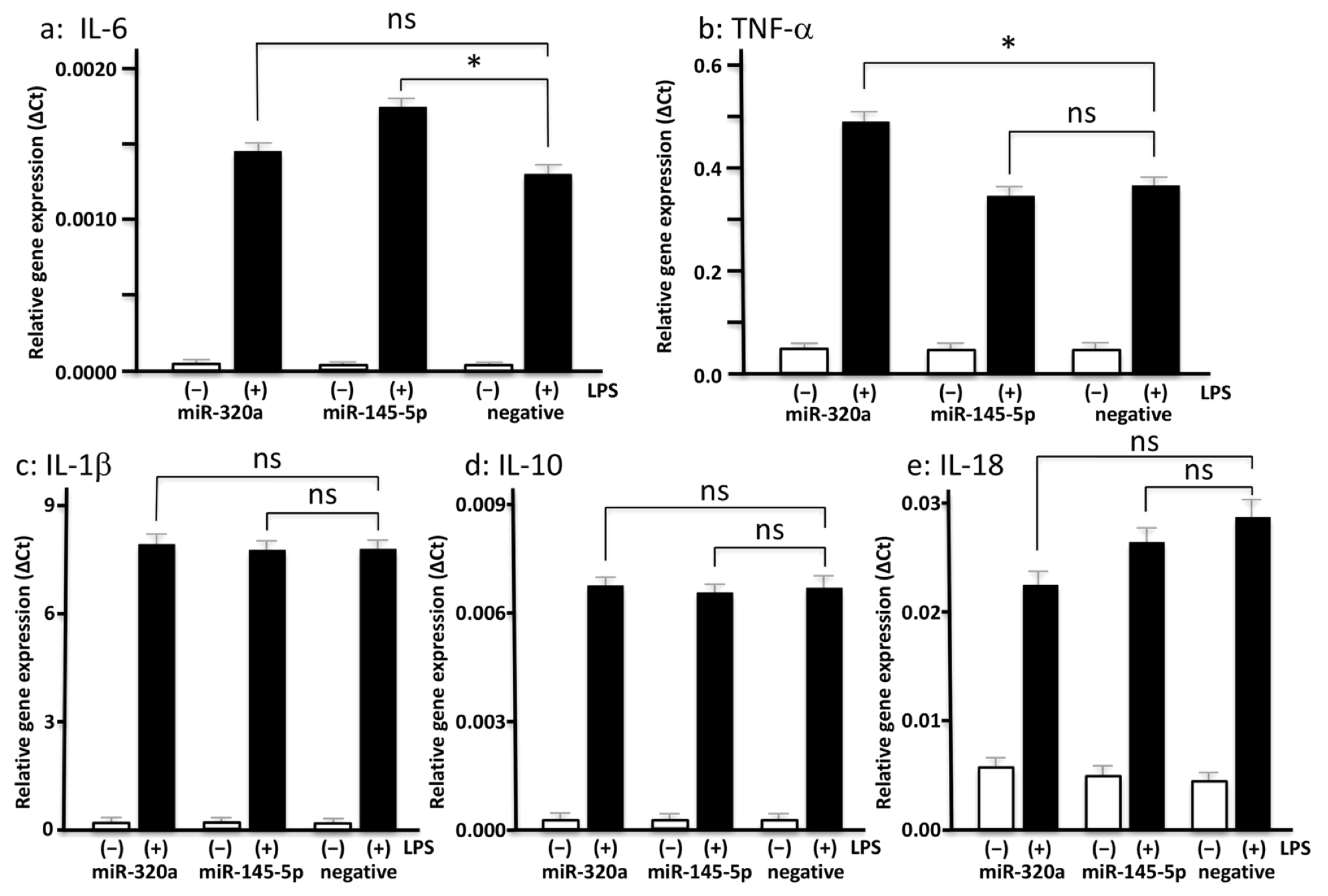
Abstract Body (Do not enter title and authors here): Background: Kawasaki disease (KD) is the leading cause of acquired heart disease in children in developed countries. Although IVIG is the standard therapy, ~17% of patients in Japan are IVIG-resistant and at high risk for coronary artery aneurysms (CAAs). No reliable biomarkers currently exist to predict IVIG resistance before treatment. Extracellular vesicles (EVs), especially endothelial microparticles (EMPs), carry miRNAs that reflect vascular inflammation and immune dysregulation. Objective: To develop and validate a diagnostic scoring system using EV-encapsulated miRNAs for early identification of IVIG-resistant KD patients. Methods: Fifty acute KD patients (median age: 37 months; 13 IVIG-resistant) and 50 controls (25 febrile non-KD and 25 healthy children) were enrolled. Serum EVs were isolated by ultracentrifugation and profiled using Affymetrix® GeneChip® miRNA 4.0. Discriminative miRNAs were identified via PLS-DA, VIP scoring, and random forest analysis. A diagnostic score was derived from selected miRNAs and validated internally. In situ hybridization in autopsy tissue confirmed the localization of miRNA. Functional assays in THP-1 monocytes were used to evaluate cytokine induction. Results: EV-miRNA profiles stratified IVIG responders, non-responders, and febrile controls. Two miRNAs—hsa-miR-145-5p and hsa-miR-320a—were enriched in EMPs from KD patients with CAAs and showed endothelial localization. Both miRNAs induced the expression of IL-6 and TNF-α in monocytes. The diagnostic score based on these miRNAs achieved 100% sensitivity and specificity for predicting IVIG resistance, with a cut-off of -0.63. Conclusion: We introduce a novel EV-miRNA-based diagnostic platform that enables early, pre-treatment identification of IVIG-resistant KD patients. This approach supports precision-guided therapy and may reduce coronary complications by enabling timely intervention.
Nakaoka, Hideyuki
( MEDICINE UNIVERSITY OF TOYAMA
, Toyama
, Japan
)
Hirono, Keiichi
( MEDICINE UNIVERSITY OF TOYAMA
, Toyama
, Japan
)
Hara, Akane
( MEDICINE UNIVERSITY OF TOYAMA
, Toyama
, Japan
)
Tsuboi, Kaori
( MEDICINE UNIVERSITY OF TOYAMA
, Toyama
, Japan
)
Ibuki, Keijiro
( MEDICINE UNIVERSITY OF TOYAMA
, Toyama
, Japan
)
Ozawa, Sayaka
( MEDICINE UNIVERSITY OF TOYAMA
, Toyama
, Japan
)
Ichida, Fukiko
( International Univ Health Welfare
, Tokyo
, Japan
)
Author Disclosures:
Hideyuki Nakaoka:DO NOT have relevant financial relationships
| Keiichi Hirono:No Answer
| Akane Hara:DO have relevant financial relationships
;
Other (please indicate in the box next to the company name):Nichi-Iko Pharmaceutical Co., Ltd. (Toyama, Japan). An endowed laboratory (2022 April - 2025 March).:Past (completed)
| Kaori Tsuboi:No Answer
| Keijiro Ibuki:No Answer
| sayaka ozawa:No Answer
| Fukiko Ichida:No Answer