
Artificial Intelligence Based CCTA to Assess Sex-Based Differences in Coronary Atherosclerosis with Low Clinical Atheroma Volume
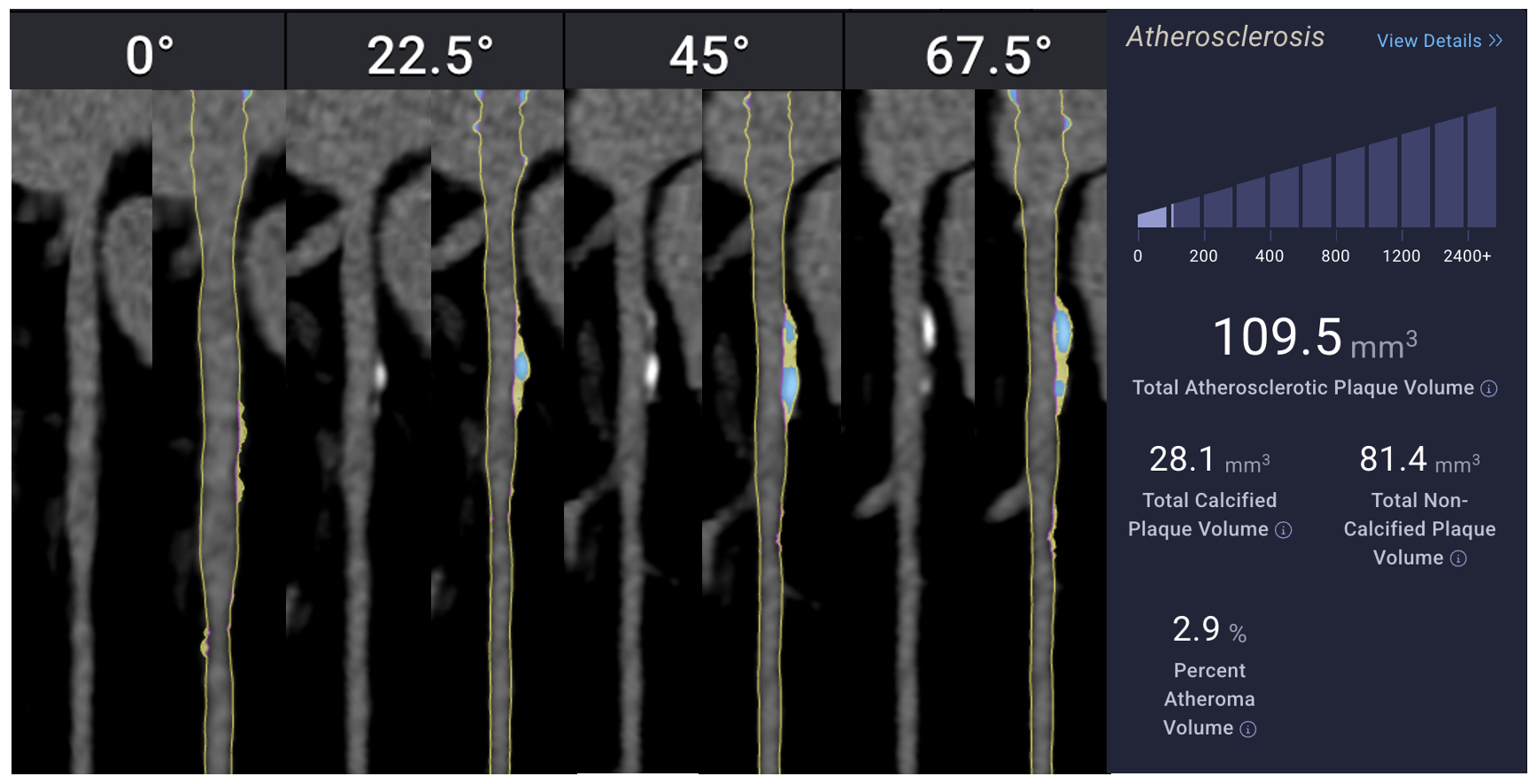
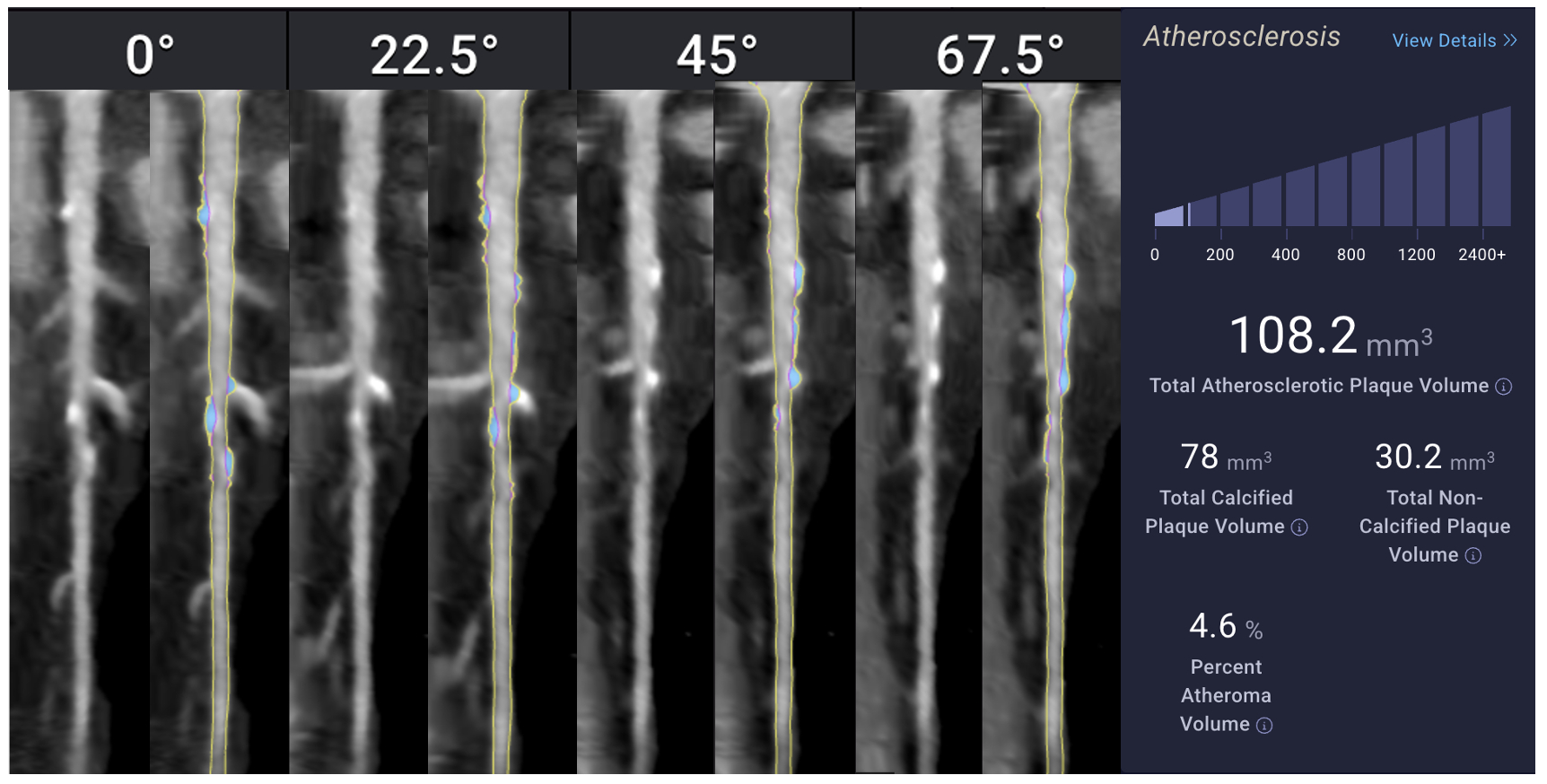
Abstract Body (Do not enter title and authors here): Background: Traditional calcium-based risk assessment tools may underestimate coronary artery disease (CAD) burden, particularly in females, due to their inability to capture non-calcified, high-risk plaque. Artificial intelligence (AI)-enhanced coronary computed tomography angiography (CCTA) offers more precise plaque characterization. This study evaluates sex-based differences in coronary plaque composition among individuals with low total atheroma volume (TAV <250 mm^3). Methods: We conducted a retrospective cross-sectional analysis of 100 patients undergoing AI-based CCTA. Volumetric plaque metrics—including total, calcified (CAV), non-calcified (NCAV), and low-density non-calcified (LD-NCAV) atheroma volumes—were quantified by artificial intelligence augmented CCTA (Cleerly). Gender differences were evaluated using Welch’s t-tests and multivariable linear regression adjusted for age. Results: In unadjusted comparisons, women had significantly lower total plaque volume (p = 0.018) and non-calcified plaque volume (p < 0.001) compared to men. There were no significant differences in calcified (p = 0.52) or low-density non-calcified plaque (p = 0.16). Regression analysis confirmed that male gender was independently associated with greater total plaque (β = 37.4 mm^3, p = 0.003) and non-calcified plaque (β = 39.3 mm^3, p < 0.001). Age was a significant predictor of total, calcified, and non-calcified plaque burden, but not of low-density plaque. Model explanatory power was modest (R^2 ≈ 0.20). Conclusions: Contrary to prior literature, men in this low-risk cohort had higher total and non-calcified plaque volumes than women, despite similar calcified burden. These findings highlight the limitations of calcification-based metrics in early risk stratification and underscore the utility of AI-based CCTA for detecting subclinical, non-calcified atherosclerosis. Future studies should explore reasons for these gender-based differences between studies and whether they influence long-term cardiovascular outcomes.
D'costa, Zoee
( UCLA
, Los Angeles
, California
, United States
)
Karlsberg, Ronald
( Cedars Sinai Heart Institute CVRF
, Beverly Hills
, California
, United States
)
Cho, Geoffrey
( UCLA
, Los Angeles
, California
, United States
)
Author Disclosures:
Zoee D'Costa:DO NOT have relevant financial relationships
| Ronald Karlsberg:DO NOT have relevant financial relationships
| Geoffrey Cho:DO NOT have relevant financial relationships