
Logo

American Heart Association

  118
  0


Final ID: 4138661

Targeting Arginase I Alleviates Cardiomyopathy

Abstract Body (Do not enter title and authors here): Introduction: Emerging data have shown that pathological cardiac fibrosis and heart failure is driven by recruitment of CD4+ T cells to injured heart tissue. Systemic deletion of CD4+ T cells or splenectomy has been shown to attenuate CD4+ T cell heart infiltration and inflammation. We engineered cargo-less nanoparticles using a biocompatible and biodegradable polymer that target splenic macrophages to overexpress arginase I, leading to local depletion of L-arginine, an amino acid crucial for CD4+ T cell activation and expansion.
Hypothesis: Cargo-less nanoparticles attenuate CD4+ T cell activation, expansion, and heart infiltration in experimental models of cardiomyopathy by regulating cross talk between macrophages and CD4+ T cells via L-arginine depletion in the spleen.
Methods: Spleen-targeting, cargo-less nanoparticles were synthesized from poly(L-lactide-co-glycolide) (PLLGA) and administered to murine and human macrophages in vitro. Arginase I expression and activity were assessed via Western blotting and arginase activity assay. Epigenetic modulation was analyzed using Western blotting and CHIP-seq. Conditioned media was collected to culture CFSE-labeled T cells to assess proliferation. The nanoparticles were administered to mouse heart failure models induced by isoproterenol or angiotensin II and phenylephrine. Immune cell composition in mouse spleens and hearts was investigated by flow cytometry. Cardiac function was assessed by echocardiography and heart fibrosis was examined via immunohistochemistry and Western blotting.
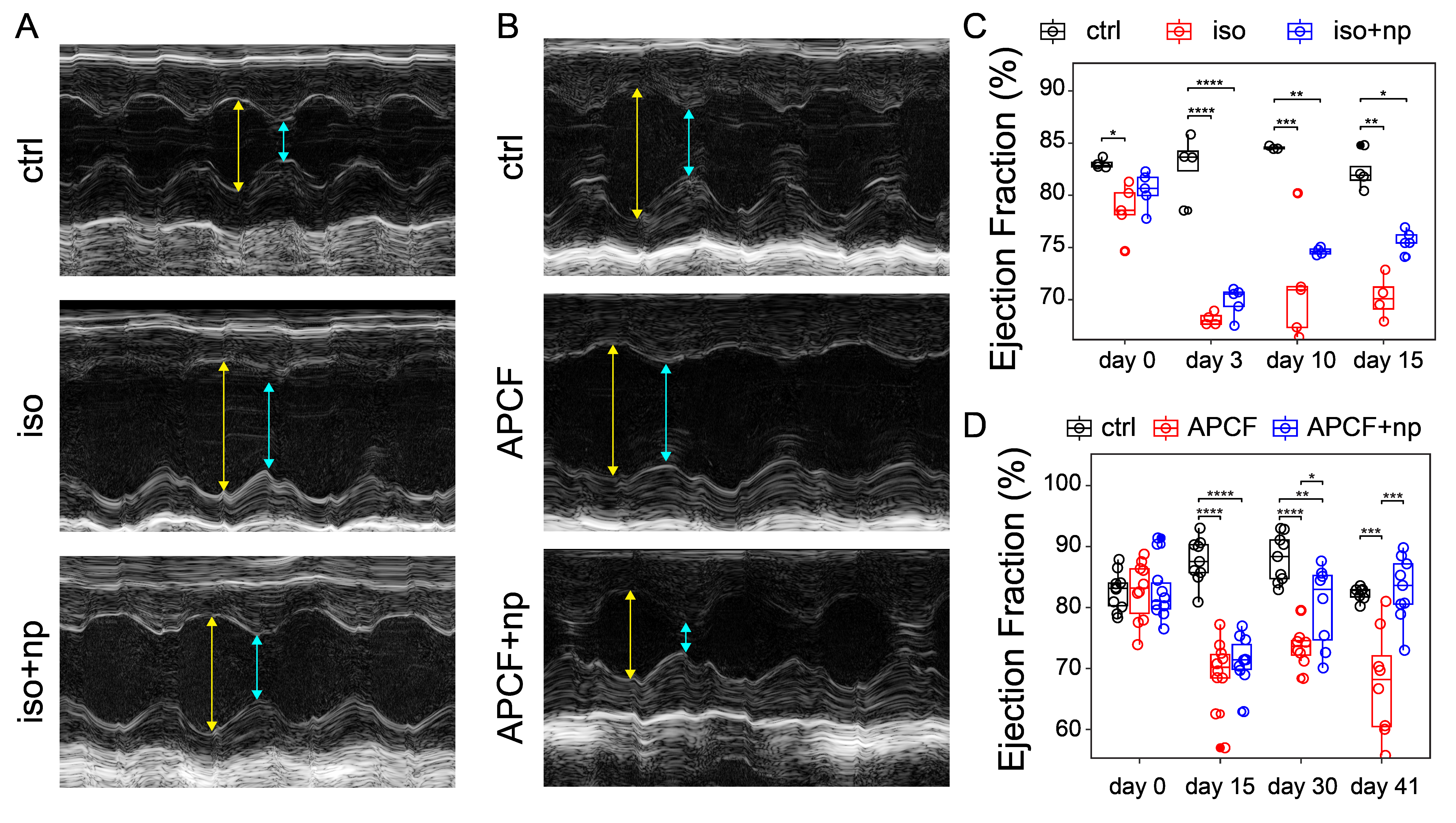
Results: Primary murine macrophages treated with our nanoparticles exhibited a dose-dependent T cell suppression in vitro. This effect was abrogated when an arginase inhibitor was administered together with the nanoparticles. The nanoparticles upregulated arginase I protein expression and arginase activity by increasing histone lactylation. In vivo testing with mouse heart injury models showed that the nanoparticles restored levels of effector and regulatory T cells in injured mice to non-injured levels. Additionally, the nanoparticles reduced cardiac fibrosis and restored ejection fraction. Furthermore, Western blotting of heart tissue lysate revealed that the nanoparticles downregulated the TGFb and p-SMAD signaling pathway.
Conclusion: Collectively, these findings highlight a novel therapeutic strategy for heart failure, addressing the gap of fibrosis treatment by targeting upstream immunological pathways.
  • Di, Lin  ( Case Western Reserve University , Cleveland , Ohio , United States )
  • Hong, Natalie  ( Case Western Reserve University , Cleveland , Ohio , United States )
  • Switala, Lauren  ( Case Western Reserve University , Cleveland , Ohio , United States )
  • Maiseyeu, Andrei  ( Case Western Reserve University , Cleveland , Ohio , United States )
  • Author Disclosures:
    Lin Di: DO NOT have relevant financial relationships | Natalie Hong: DO NOT have relevant financial relationships | Lauren Switala: DO NOT have relevant financial relationships | Andrei Maiseyeu: DO NOT have relevant financial relationships
Meeting Info:

Scientific Sessions 2024

2024

Chicago, Illinois

Session Info:

Immune Cells at the Heart of Remodeling

Sunday, 11/17/2024 , 03:30PM - 04:45PM

Abstract Oral Session

More abstracts on this topic:
C-C Chemokine Receptor Type 2 and Matrix Metalloproteinases Molecular Interaction in Rat Abdominal Aortic Aneurysm

Zaghloul Mohamed, Elizondo Benedetto Santiago, Arif Batool, Heo Gyu Seong, Luehmann Hannah, Liu Yongjian, Gropler Robert, Sadeghi Mehran, Zayed Mohamed

Clinical Evidence of Immune Response to Transplanted Allogeneic iPS Cell-Derived Cardiomyocytes

Kawamura Takuji, Ito Emiko, Takeda Maki, Yoshioka Daisuke, Kawamura Ai, Misumi Yusuke, Saito Shunsuke, Yamauchi Takashi, Miyagawa Shigeru

You have to be authorized to contact abstract author. Please, Login
Not Available